Categories
Environment

Letter to the Solon Economist

the-climate-reality-project-logoLast week was arguably the best summer weather we have had in many years. Temperatures were moderate and humidity low; some rain, but not too much; and glorious partly cloudy skies coupled with a light breeze. A bit of imitation vanilla extract on the nose, and even swarms of gnats couldn’t spoil the enjoyment.

Everyone I know who has a garden is having an abundant year of produce. Foragers can find plenty of black raspberries, and while the Iowa DNR sprayed the lily pads on Lake Macbride, one more toxic substance in the water won’t kill us— we hope.

Climate change is real. Any question that greenhouse gases are warming the planet, and are caused by human activity has fallen away to leave the more appropriate one, “what will we do about climate change?” The crazy weather we have been experiencing recedes from view on days like last week, while coal and natural gas power plants continue to dump CO2 pollution into the atmosphere like it was an open sewer to air-condition our homes. There are two issues: protecting what we hold dear from the effects of climate change, and doing something to address the causes of greenhouse gas emissions.

While addressing climate change is complicated, things we can do to help are not. Reduce energy use at home by turning off lights after leaving a room and unplug your computer and mobile phone chargers when they are not in use. Change how we think about transportation by consolidating errands. We should be doing these things anyway.

The point is not to radically change how we live, but to join the vast majority of Americans in acknowledging that climate change is real, and poses a tangible threat to how we live. Then take steps to personally do something about it. You will be glad you did.

Categories
Environment

Will it Rain?

Morning Harvest
Morning Harvest

LAKE MACBRIDE— The question at the farm today was “will it rain?” We hope so. This spring was the wettest on record, and gardeners are harvesting an abundant crop. The crops in the farm fields also look good. As someone posted on Facebook, “walk out to the garden with a shaker of salt and no fear. Ahhhhh Iowa summer.” But we have been in a dry spell since the season turned. The fear is last year’s record drought is part of a pattern that repeats this year.

Another drought would be disastrous for farmers that depend upon keeping customers happy with vegetables that are the opposite of fungible commodities. Crop insurance might pay the expenses, but customers who can buy fresh vegetables trucked in from Florida, California, Mexico, Texas, and as far away as China might get discouraged. They are all-in with the farmer to share in the risk of the season. In a consumer society that means they could find other sources of vegetables next season if things turn out badly.

The ten day forecast shows a 60 percent chance of scattered thunderstorms tonight and tomorrow. After that, the chances diminish to 10 or 20 percent. The prospect for rain is not good.

At my meeting in the county seat tonight the same question was asked. Will it rain? No one was optimistic.

I shared my garden’s abundance at the meeting, taking zucchini, yellow squash, kale, basil, flat leaf parsley and kohlrabi in a cooler. The basil and parsley were popular, with everyone taking some. Everything else, except one kohlrabi found a home. The fragrance of basil filled the room while we met— it was intoxicating.

My sense is we are in for another drought. It already feels that way, despite tonight’s forecast. I hope I’m wrong. We can irrigate if we have to. When the county studied the Silurian aquifer, there was plenty of water. But more is at stake than a single crop, or a couple of bad seasons in a row. The extreme variation in weather is concerning and is consistent with what scientists are saying about the effects of global warming. Let’s hope our questions will be answered, “yes, it rained.”

Categories
Environment Sustainability

Coralville Parade

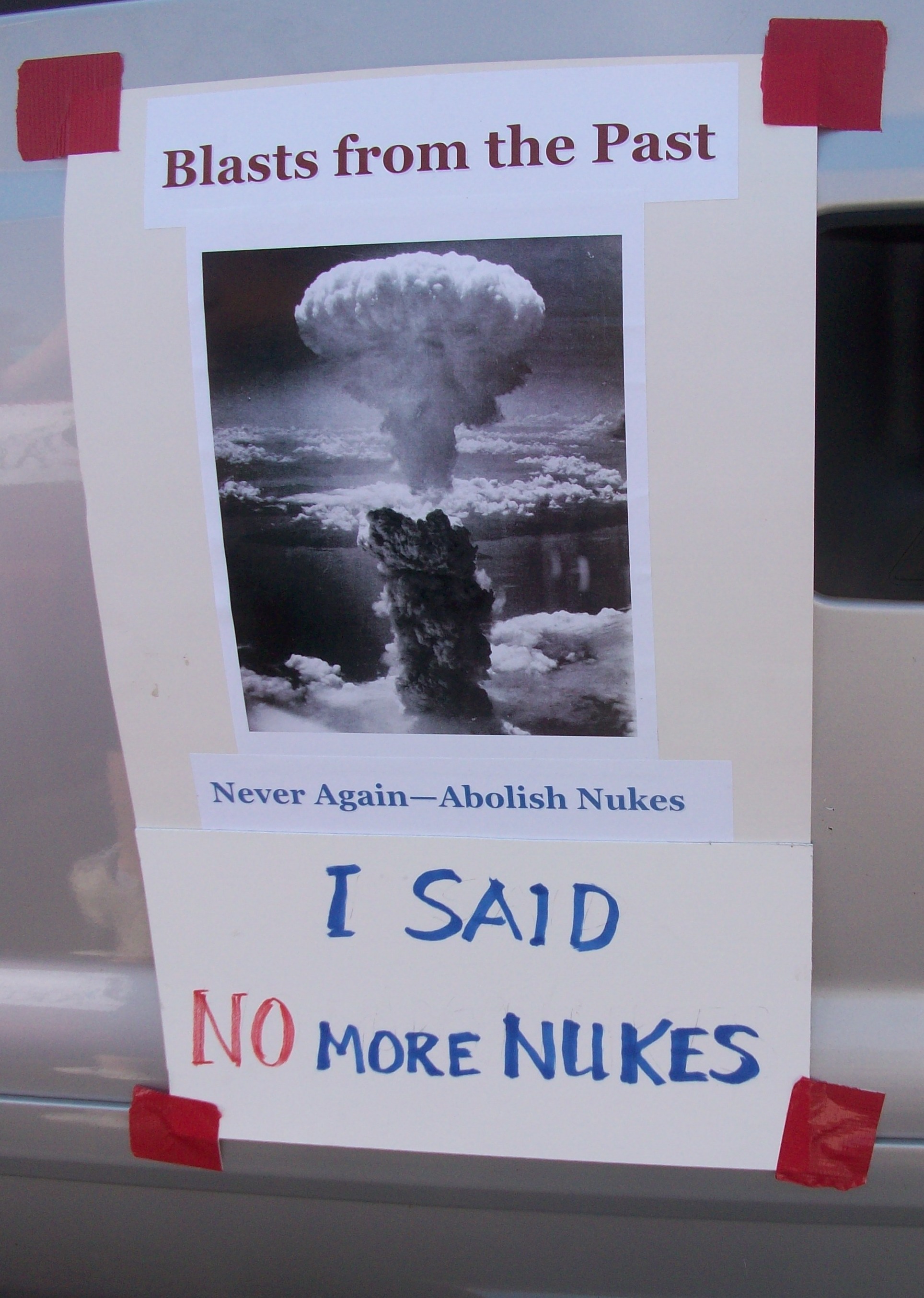
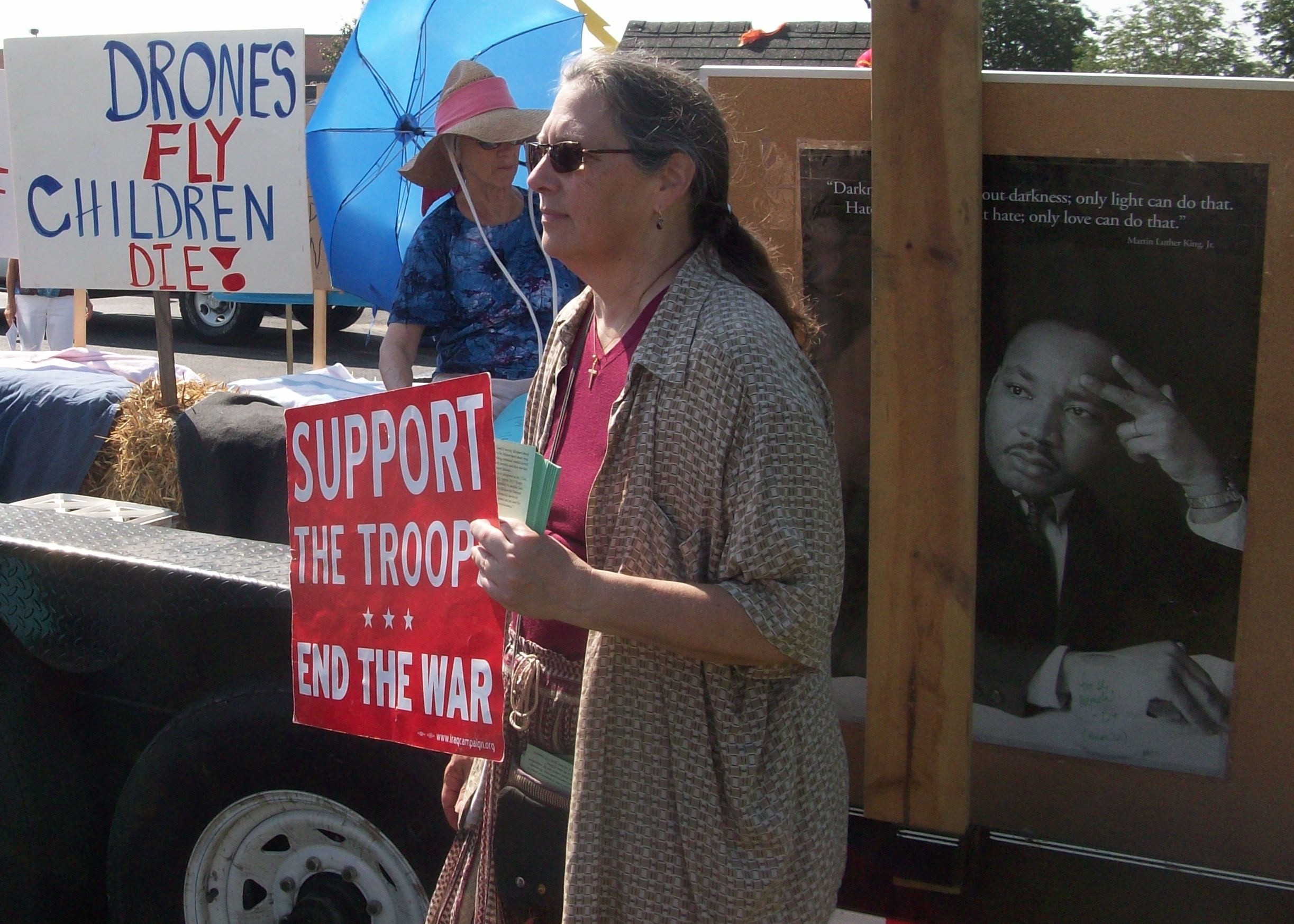
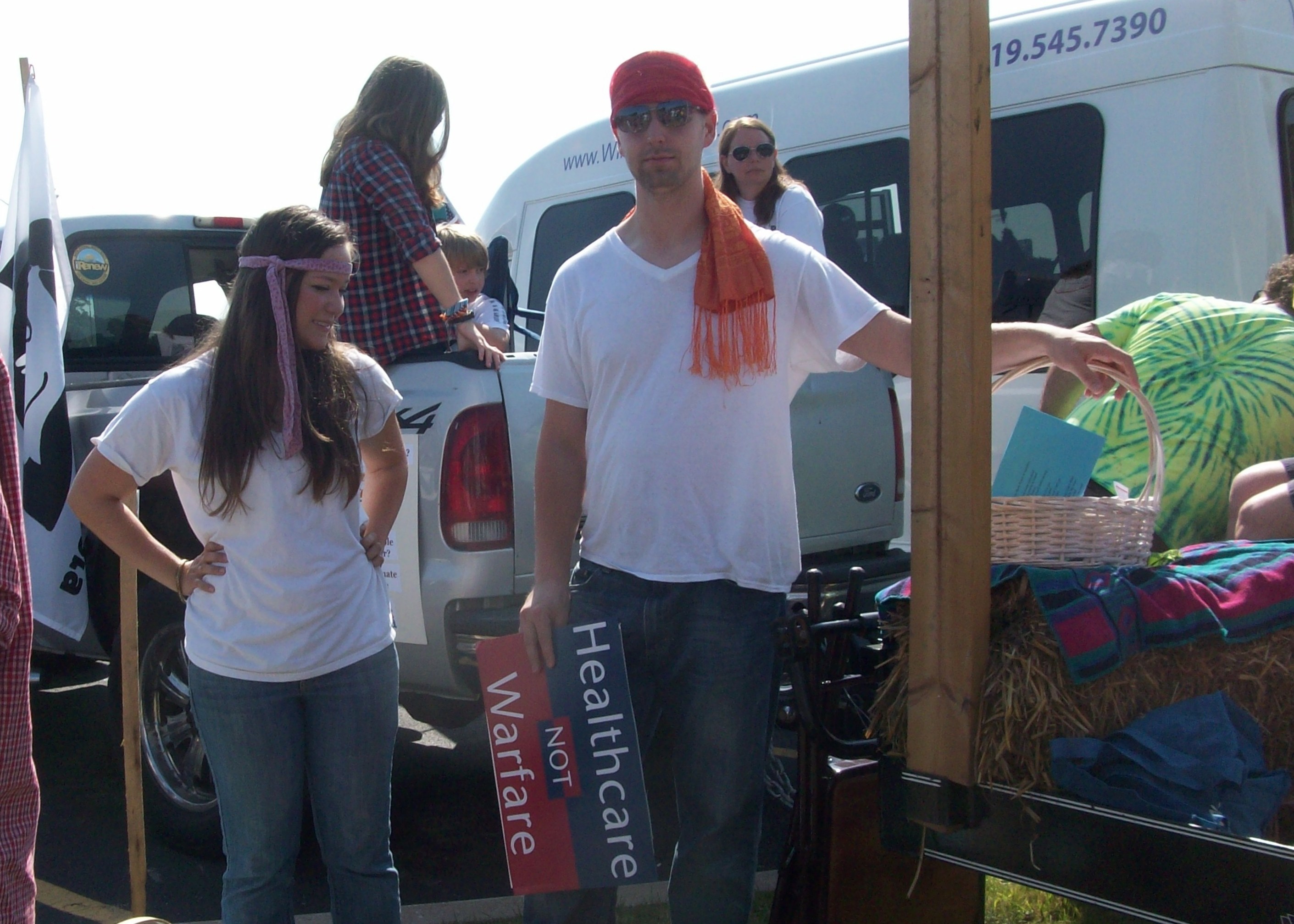
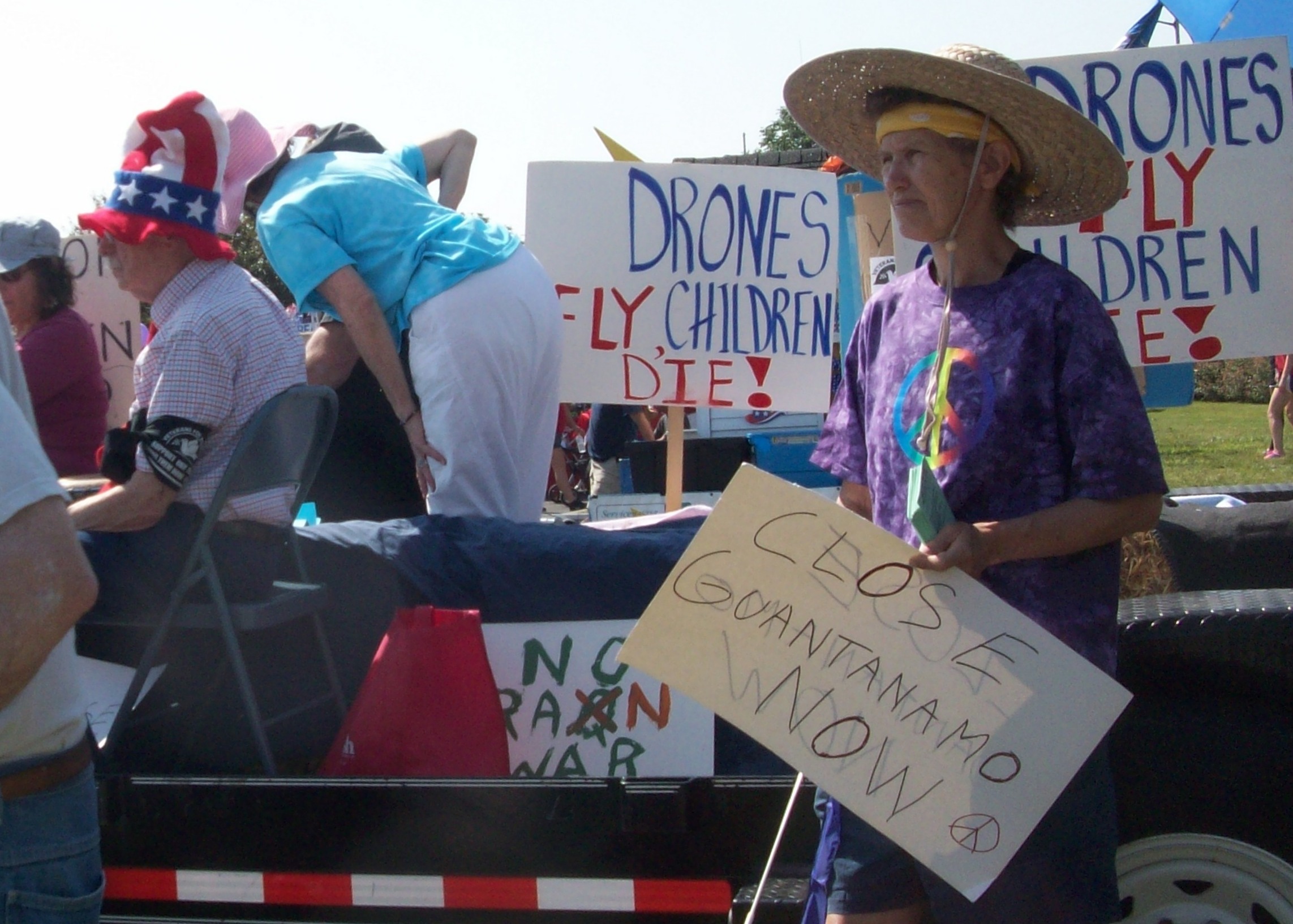
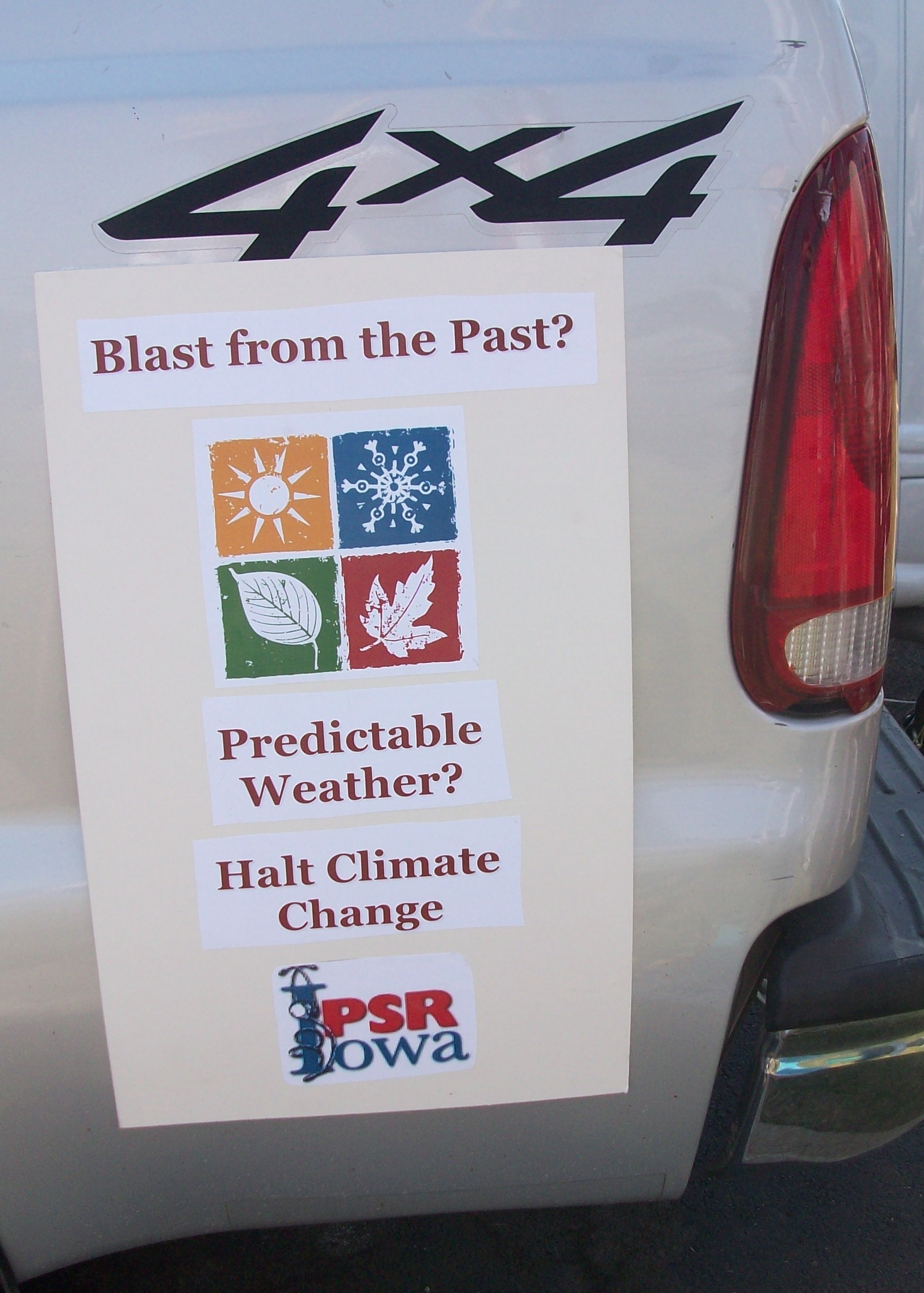
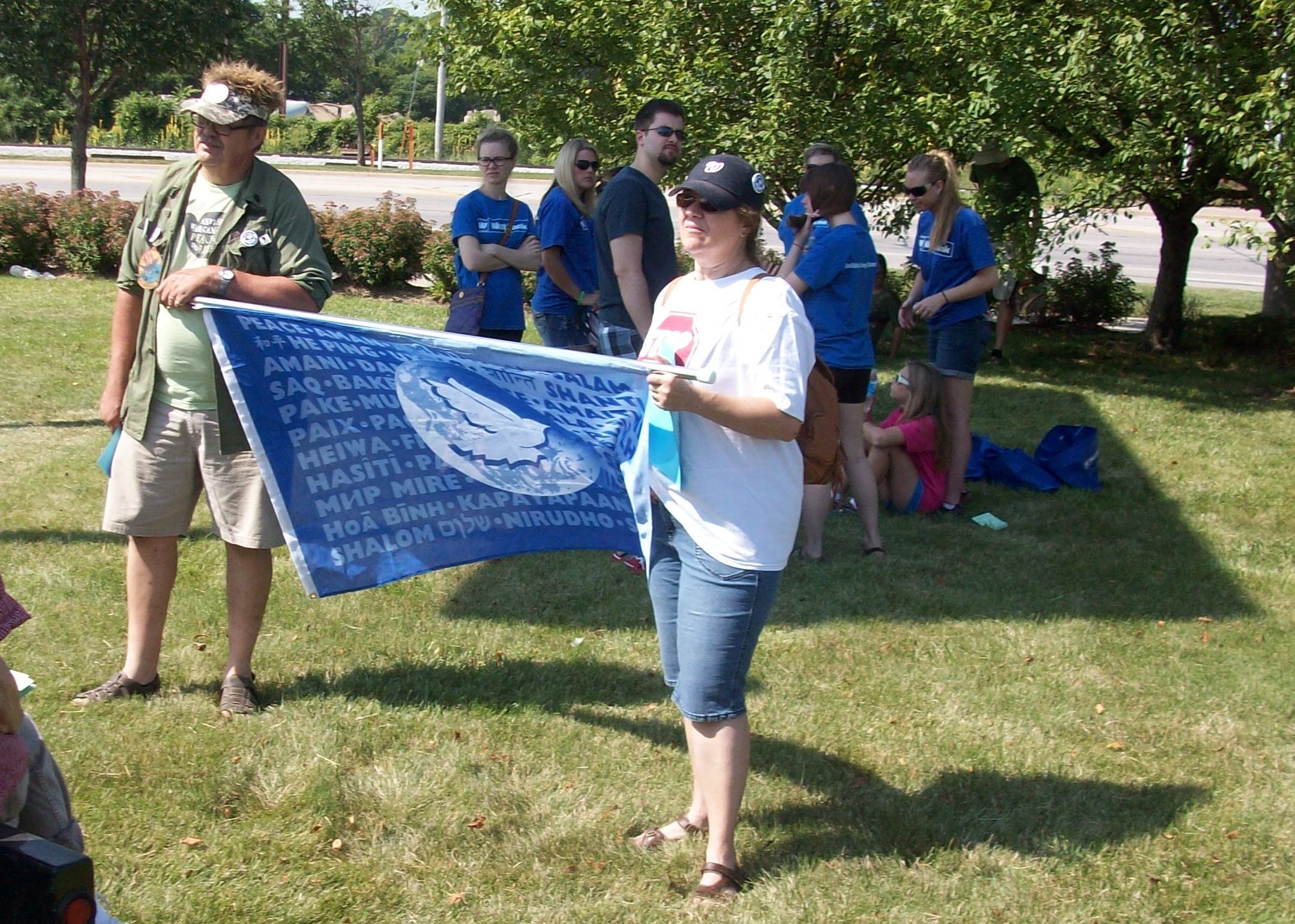
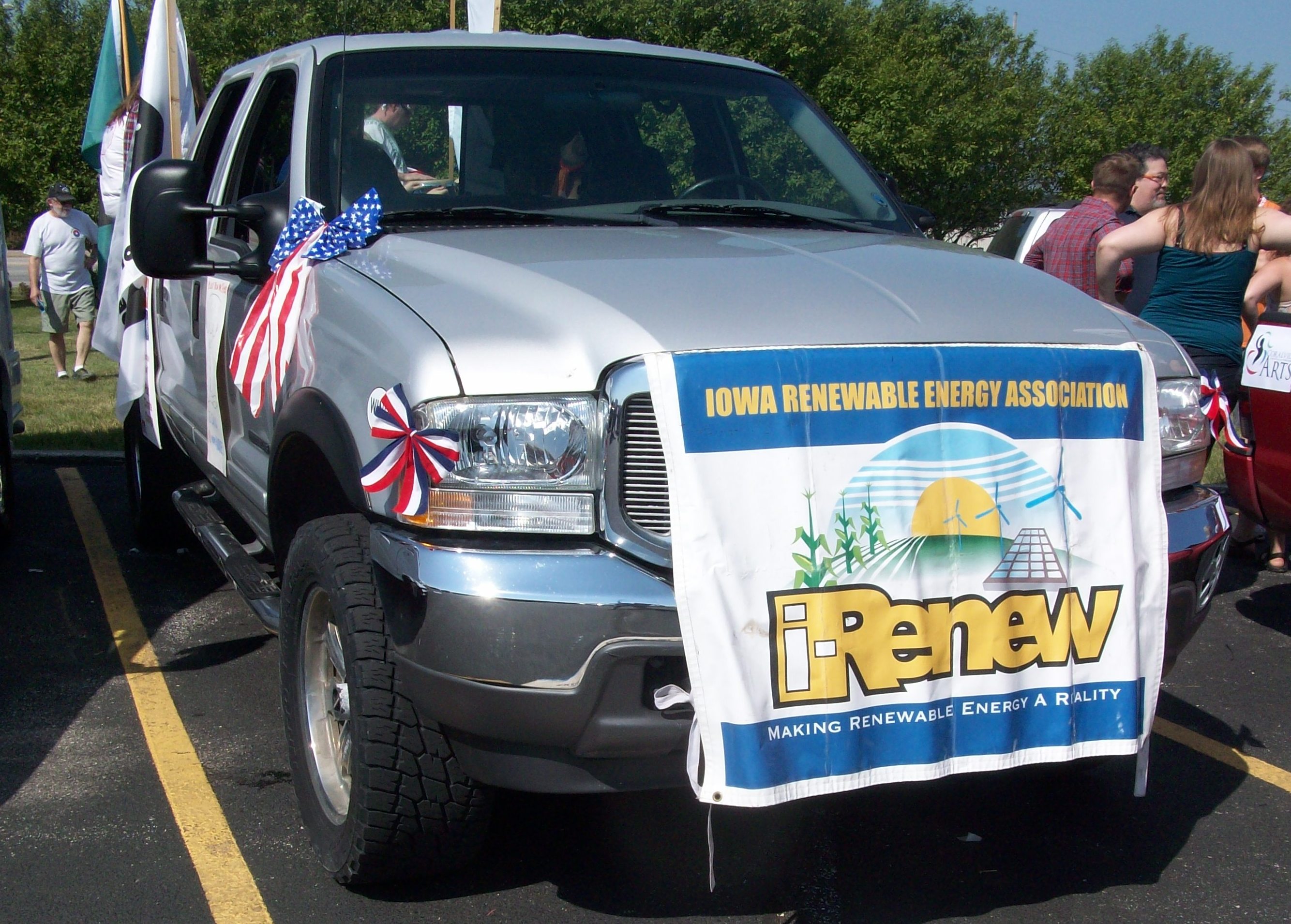
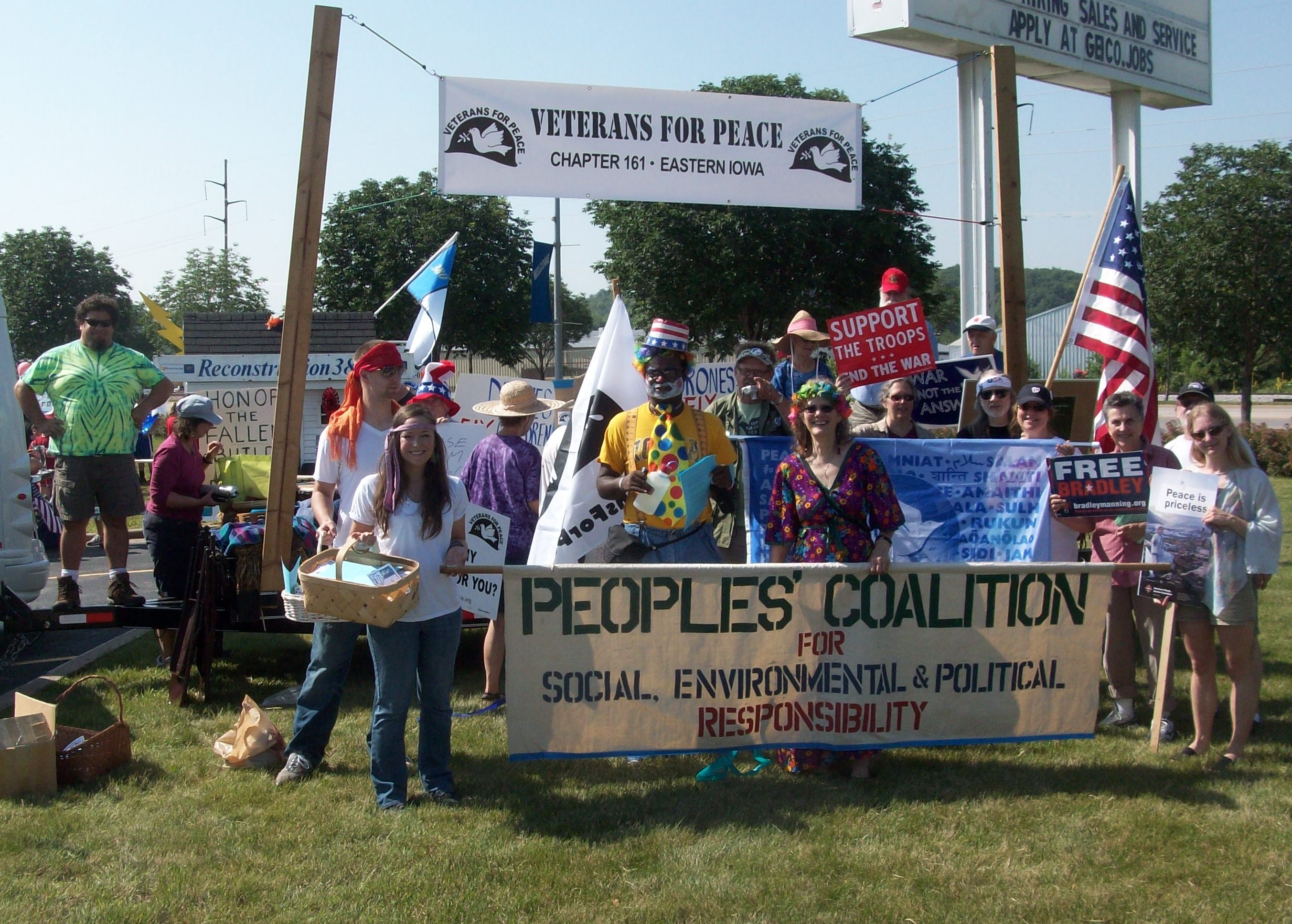
CORALVILLE— The Peoples’ Coalition for Social, Environmental and Political Justice walked in the July 4 parade here. The photos don’t include everyone, but you can get the flavor. The Peoples’ Coalition forms once a year for the purpose of getting peace and justice people together to interact with and get our messages to everyday people in the community. The parade entry was strong, with folks from Veterans for Peace, Iowa Physicians for Social Responsibility, PEACE Iowa, Yahoo Drummers, Green World Biofuels and others, all committed to peace, and social, environmental and political responsibility.

The Yahoo Drummers provided background during the entire parade route, and the group sang songs that included “We Shall Overcome,” “If I had a Hammer,” and “This Land is Your Land.” The songs were familiar and uplifting. Parade watchers joined in singing from time to time, and provided positive feedback to the group.

Contact Paul Deaton at paul.deaton@gmail.com if you would like to get involved with any of the groups, or be part of next year’s parade.

2013 Coralville Independence Day Parade.
2013 Coralville Independence Day Parade. Theme was "Blast from the Past"
2013 Coralville Independence Day Parade. Theme was “Blast from the Past”
2013 Coralville Independence Day Parade.
2013 Coralville Independence Day Parade. Veterans for Peace was present in force.
2013 Coralville Independence Day Parade. Theme for the parade was "Blast from the Past."
2013 Coralville Independence Day Parade. Theme for the parade was “Blast from the Past.”
2013 Coralville Independence Day Parade.
2013 Coralville Independence Day Parade. Biodiesel powered vehicle pulled the trailer.
2013 Coralville Independence Day Parade.
2013 Coralville Independence Day Parade. Michael,  Dr. Maureen McCue and Dr. John Rachow, a nuclear family.
2013 Coralville Independence Day Parade. Michael, Dr. Maureen McCue and Dr. John Rachow, an anti-nuclear family.
Categories
Environment

Climate Reality Leadership Corps

BadgeLAKE MACBRIDE— I was accepted to become part of the Climate Reality Leadership Corps and signed the training agreement yesterday. Signing obligates me to deliver ten related activities during the next year. Ten is not many. A person has to deal with and act on the reality of climate change and this will be one way of doing that.

Al Gore and his team will conduct three days of training in Chicago. The staff includes Maggie Fox, CEO of the Climate Reality Project; Larry Schweiger, president and CEO of the National Wildlife Foundation; John Vezner, Grammy Award winning songwriter; Mike McCracken, science adviser; and Kim Wasserman, 2013 Environmental Goldman Prize Award winner. I don’t know any of these people, so there will be an opportunity for learning.

1970 Earth Day Button

About 1,000 people from around the globe will be converging at a place to be announced, and the networking alone has the potential to benefit attendees. It will be what we make of it, and I will meet as many people as possible. (Note to self: find business cards).

The energy from the group on Facebook is palpable. The project staff did a good job of instructing us how to post, so the content is relevant and engaging.

My origins in doing something about the environment were in the first Earth Day in 1970 when a group of us participated in local events. While my participation has been off and on during the last 43 years, confronting the deceit and misinformation about changing climate promulgated in the corporate media has risen as key work to be done regarding one of the most significant threats to humanity. I am looking forward to Chicago.

Categories
Environment

Trip to the State Capitol

State Capitol
State Capitol

DES MOINES— Making my first trip to Des Moines this year, it occurred to me there is not a lot to distinguish Iowa’s largest city. The legislature meets here, some businesses headquarter here, and the downtown area continues to have light foot traffic despite the sprawl to West Des Moines, Ankeny, Clive, Altoona and Johnston. The capitol city attracts people and money and that is about it. Yesterday’s trip was mostly to meet with Ed Fallon, founder and director of the Great March for Climate Action and his director of operations.

The Great March for Climate Action is ambitious. It proposes “to change the heart and mind of other Americans and our elected leaders through mobilizing 1,000 people to march coast-to-coast to demand action on climate change.” The march will set-out from Los Angeles, Calif. on March 1, 2014, scheduled to arrive in Washington, D.C. on Nov. 1. Logistics will be a key consideration, and since I can’t afford a sizable donation, nor spare eight months away from Big Grove, I offered some help on the logistics of the march. The meeting went well.

While we were meeting in Des Moines, President Obama was giving a speech on climate change at Georgetown University in Washington. He said, referring to rising CO2 levels in Earth’s atmosphere,

“That science, accumulated and reviewed over decades, tells us that our planet is changing in ways that will have profound impacts on all of humankind.”

A warming and increasingly polluted planet is one of the key threats to the survival of humanity, and reasonable people can agree on that. There is an urgency to do something now about continuing CO2 emissions. As the president said,

“Today, about 40 percent of America’s carbon pollution comes from our power plants.  But here’s the thing:  Right now, there are no federal limits to the amount of carbon pollution that those plants can pump into our air.  None. Zero. We limit the amount of toxic chemicals like mercury and sulfur and arsenic in our air or our water, but power plants can still dump unlimited amounts of carbon pollution into the air for free. That’s not right, that’s not safe, and it needs to stop.

So today, for the sake of our children, and the health and safety of all Americans, I’m directing the Environmental Protection Agency to put an end to the limitless dumping of carbon pollution from our power plants, and complete new pollution standards for both new and existing power plants.”

This is one part of a broader plan outlined yesterday by the president. If readers are interested in climate change,  click on the link to read the entire speech.

Whether 1,000 people marching across the country, to win the hearts and minds of Americans about climate change, will culminate in a course of action seems uncertain at best. But we have to try everything we know to reduce global warming pollution and mitigate the impact of a changing climate. Our survival as a species depends upon it. One hopes Ed Fallon will be successful in raising the funds, organizing the march and recruiting marchers for the Great March for Climate Action. If you would like to learn more, check out the group’s website http://climatemarch.org/.

Categories
Environment

On James Hansen

James Hansen
James Hansen

IOWA CITY— It’s hard to believe, but a lot of people don’t know who is James Hansen of Denison. He is a retired NASA scientist who took the first sentence of NASA’s mission statement, “to understand and protect the home planet,” to heart and explored the science of climate change. That is, it was the first sentence of the NASA mission statement until the George W. Bush administration removed it.

Hansen’s concern about the kind of world he will leave his grandchildren led him to continue to speak out about the need to mitigate increasing carbon dioxide and other greenhouse gases in the atmosphere— the cause of global warming.

I met Hansen on Jan. 27, 2008 in Iowa City, and his message hasn’t changed much, except maybe to express increased urgency about the need to mitigate rising temperatures related to burning fossil fuels before it is too late.

If readers don’t know about James Hansen, they should. Check out his brief bio at the Columbia University website here. In this 17 minute TED talk, from February 2012, http://on.ted.com/Hansen, Hansen presents, in easy to understand terms, the science of global warming and the urgent need to do something about it.

There is no debate about global warming. The debate is over what to do about it. According to Hansen, we should stop subsidizing the fossil fuel industry and implement a carbon tax. We should do it now.

Categories
Environment Sustainability

Keep on the Sunny Side

Atherton Wetland
140th Street – June 9

BIG GROVE TOWNSHIP— The flood water is receding on the Atherton Wetland, bringing hope the Iowa River and Coralville Lake have crested despite today’s rain. It’s good news at a time we need it.

All hell is breaking out on the national scene, and it is not good. Where to start?

Sergeant Robert Bales’ cold-blooded killing of 16 non-combatant men, women and children in Kandahar province in Afghanistan came to light and defies reason. According to NBC News, Bales didn’t know why he did it. According to the article, “Bales’ lawyers have said the married father of two suffered from PTSD and brain injury after four combat deployments and was under the influence of drugs and alcohol the night of the raids on family compounds in Kandahar province.” There had to have been more wrong than this. The massacre points to another failure of military leadership.

There was news that the Central Intelligence Agency didn’t always know who it was targeting and killing with drone-launched Hellfire Missiles in Pakistan. The article reported, “about one of every four of those killed by drones in Pakistan between Sept. 3, 2010, and Oct. 30, 2011, were classified as ‘other militants’… The ‘other militants’ label was used when the CIA could not determine the affiliation of those killed, prompting questions about how the agency could conclude they were a threat to U.S. national security.” That non-combatants were the target of the CIA drone program was no surprise to those of us following reports from inside Pakistan, but the revelation was shocking nonetheless. The news makes timely the Covering Ground to Ground the Drones action this week in Iowa by Voices for Creative Nonviolence.

Finally, the news that the N.S.A. is monitoring metadata from our phone calls and information from a number of major Internet service providers was chillingly Orwellian. New York Times columnist Maureen Dowd quoted George Orwell’s 1984 yesterday, “there was of course no way of knowing whether you were being watched at any given moment. How often, or on what system, the Thought Police plugged in on any individual wire was guesswork. It was even conceivable that they watched everybody all the time. But at any rate they could plug in your wire whenever they wanted to.”

For one, I was prepared to be constantly monitored by God’s omniscience by my Catholic upbringing. The federal government is no one’s god, and this intrusion on privacy, while apparently supported by all three branches of the federal government, just isn’t right.

In a turbulent world, these national issues are a distraction from work toward sustainability. As the Ada Blenkhorn/J. Howard Entwisle song the A.P. Carter family used to sing goes,

There’s a dark and a troubled side of life;
There’s a bright and a sunny side, too;
Tho’ we meet with the darkness and strife,
The sunny side we also may view.

Here’s to keeping on the sunny side as it will help us every day and may brighten our way. At least the flood waters are abating… for now.

Categories
Reviews

America’s Climate Century by Rob Hogg

America's Climate CenturyIn America’s Climate Century, Iowa State Senator Rob Hogg asserts, “climate change is the defining historical issue of the 21st century.” If it is, one wouldn’t know it from listening to people, and that seems the point of the book: to educate citizens of the potential negative effects of human-caused global warming, to persuade about the immediacy of the problem, and to outline ways for citizens to engage in solutions.

As Hogg points out, there is broad consensus in the scientific community that the planet is warming and the cause is related to human activity. As a member of the Iowa Senate, Rob Hogg is one of a very small number of the 150 members in both chambers willing to work on addressing climate change. This book is a plea for like minded citizens to join him. We should.

The book is written by an Iowan to encourage advocacy and this perspective informs the narrative. If you live in Iowa and are concerned about the consequences of climate change, you should consider reading America’s Climate Century. It is a primer of key issues, with step-by step suggestions on how to advocate for political change that will address them.

America’s Climate Century was a quick and engaging read, with personal anecdotes and bullet pointed to-do lists. Whether one knows a lot or a little about greenhouse gas emissions and their consequences in the form of global warming and more frequent and intense weather events, the book was informative and easy to understand.

I found value in reading the book and recommend it to others whether you live in Iowa or elsewhere.

Categories
Environment Home Life

Sunday Afternoon Drive

Flooding 140th Street
140th Street, June 2

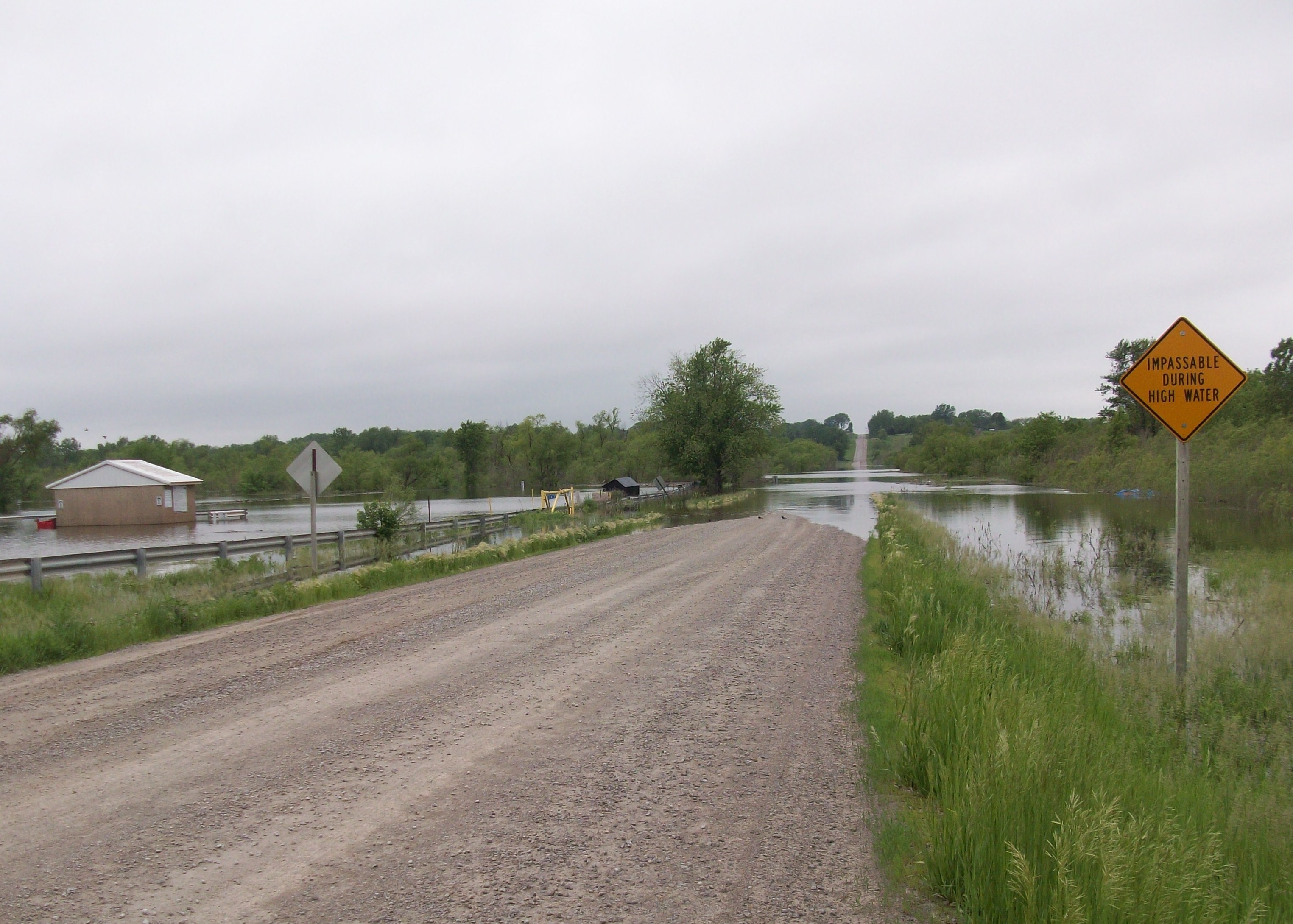
BIG GROVE TOWNSHIP— When we were children, our parents used to take us out for a Sunday afternoon drive. A typical trip might include visiting Weed Park in Muscatine, friends of my parents in Blue Grass, or to the Niabi Zoo near Coal Valley, Ill. Today’s Sunday afternoon drive was not as much fun. I drove to 140th Street NE near Ely Road to see the progress of the flooding.

That is, not as much fun unless one is a fisher. When I arrived at the edge of the water, about half a dozen motor boats were out. Click on the thumbnail above, and the boats can be seen as small specks toward where the road rises out of the water. Word is out that striped bass, catfish and carp are biting. The reason I know is a neighbor mentioned it while I was working in the ditch in the front yard after the drive.

140th Street May 31
140th Street, May 31

The water has risen about four feet since Friday. Compare the two photos to see how the building is being submerged. If you would like, take a look. For me, I would not like. It is wearying to deal with the consequences of climate that changed when we should be advocating to change how society interacts with so-called nature turned into an owned and built environment.

Like this flooding, changing climate is hitting us where we live. In the water we use, the air we breathe, and the weather we experience. This weekend politicians sought photo opportunities to post on social media: of them helping sandbag buildings to protect them; of them inspecting the damage. What they should be doing is actual networking with their colleagues in government to find common ground and take concrete action to solve the climate crisis.

Some may not notice the climate crisis because they are so busy cleaning up in its wake, or in this case, trying to catch the limit of striped bass. Maybe they are taking a much needed Sunday afternoon nap. Eventually the frequency of these hundred year floods, at a rate of three in 20 years, will be noticed. It is not too late to solve the climate crisis, but we don’t know for how long.

Categories
Environment

Comparing the Floods

140th Street
140th Street

ATHERTON WETLAND— The flooding continues here. It has not reached the level of either 1993 or 2008— yet.

As I write, the county has issued mandatory evacuation orders for people who live in low lying areas. What used to be a 100 year flood needs a new name, as this spring brought the third major flooding in 20 years. One has to believe that a cause of the frequent and extreme weather is our changing climate, wrought by greenhouse gas emissions resulting from human activity. The flooding is a reminder of the importance of working toward a solution to the climate crisis.

A proximate cause of the flooding is the rain. The Iowa Department of Natural Resources reported record rainfall,

swinging from drought concerns to flooding worries within weeks, Iowa has set two precipitation record highs in 2013: the statewide average precipitation for March, April and May collectively at 16.65 inches; and a year-to-date precipitation total of 18.92 inches. These are highs among 141 years of records.

What to do but adapt?

If the reader clicks on the photo, there is a building on the left side of the image. During June 2008, the flood waters reached the eaves of this building. In 1993, the building did not exist.

We live near Lake Macbride and in 2008, the trail next to the lake was covered in water. It would take a lot more water to fill the watershed enough to reach our home, so were never in danger of a wet basement.

We’ll see how the flood of 2013 plays out, but based on the reports on social media, it may fall somewhere between 1993 and 2008 levels. Iowans are getting used to frequent flooding, indicating advanced stages of adaptation to changing climate.