Categories
Writing

Ready to Write

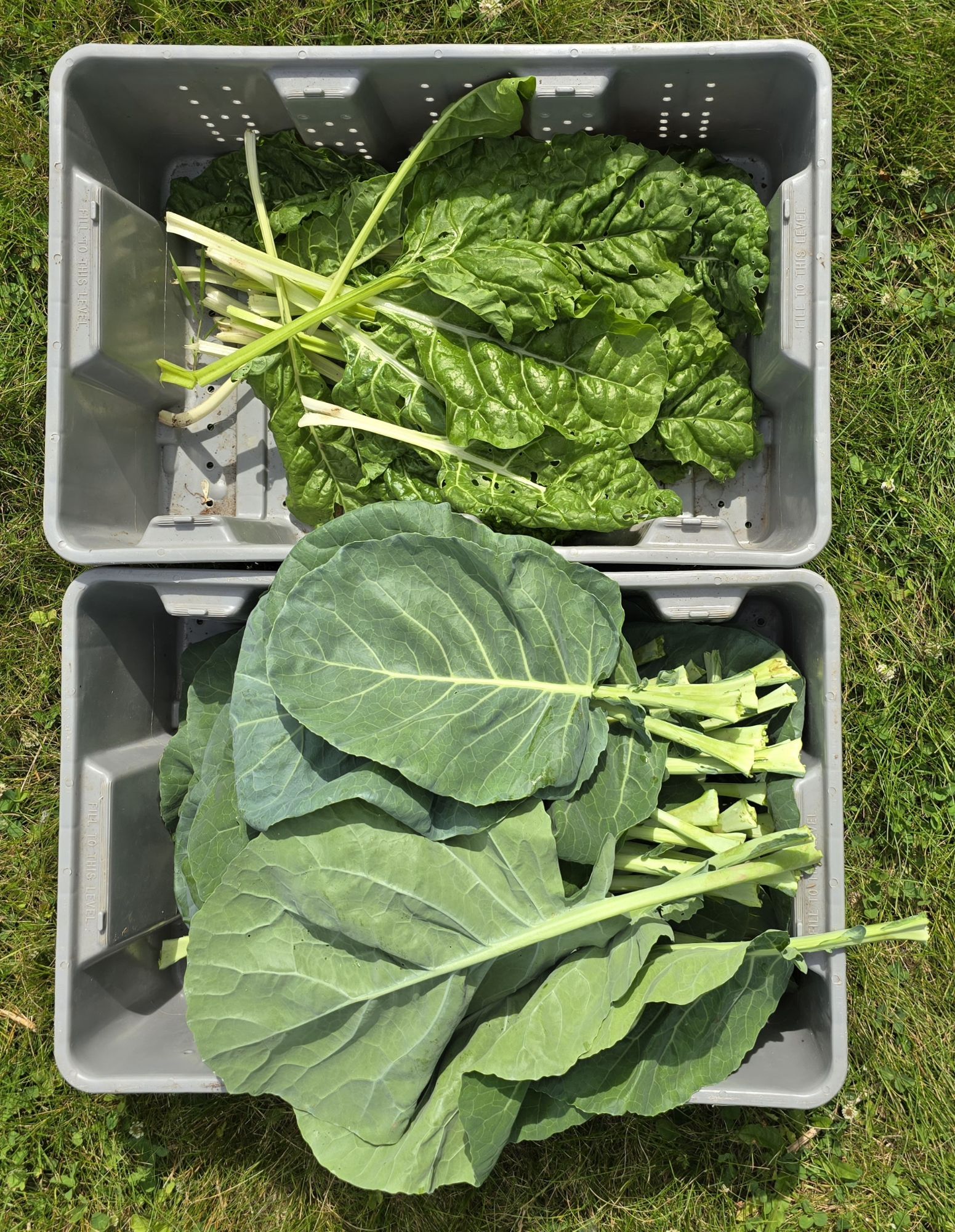
Swiss chard and collards donated to the North Liberty Food Pantry.

After an overnight trip to Chicago to visit family and friends, I’m ready to begin summer writing. Ideas have been percolating all spring. It’s time to get them down and make something of them.

I enjoy the Chicago suburbs of Oak Park, Skokie, and Forest Park where I have been spending more time the last couple of years. It is remarkable how from the ground it looks exactly like you’d expect after seeing it countless times while taking off from and landing at O’Hare and Midway. I stayed with someone who lived his whole life in close proximity to where he was raised in Oak Park.

The main summer writing challenge is determining a schedule. I want to get into the garden early in the day to weed and harvest. I don’t want to spend all my energy there. I plan to shake up my daily outline and routines. The re-engineering process should be fun, and easy to accomplish by Friday.

Tuesday morning I took excess chard and collards to the food pantry. The receiver told me, “Those will go fast.” I always feel good when I donate produce I grew for food insecure people.

There are a lot of positives in the waning days of spring. If we can only take the time to recognize them.

Categories
Kitchen Garden

Going for a Walk

Trail walking May 11, 2025.

Being a bit out of it yesterday after Satuday’s late (for me) festivities, I managed my daily walk on the trail and tended newly planted collards and kale seedlings. Last year was a garden bust for our favorite leafy greens. We are still living off frozen from 2023.

There won’t be much action here for a while. There is a lot to do during gardening season.

Categories
Kitchen Garden

Spring Abundance

Plot #3 with seeds planted in the margins between sheets of ground cover.

Rain relented long enough to start planting. May 15 is the normal last frost, and it is Katy bar the door as far as getting things in the ground goes. Plot #1 was garlic planted last year with a strip for a covered row. Plot #2 was potatoes and onions. Plot #3 is radishes, green beans, turnips, Sugar Snap Peas and Snow Peas, along with whatever else I decide to put there from the greenhouse. If the weather holds, I should make fast work of the rest of planting.

This year I’m harvesting more than I can use from what over wintered. Collards, kale, spring garlic, green onions, and cilantro are abundant. Salad greens came from this year’s planting in trays. I haven’t been able to get them in the ground, so I just picked and washed them. Having so much early produce changes the dynamic of a kitchen garden.

For one thing, the season is extended. I enjoy fresh cilantro in my breakfast tacos and I’ve had it for more than a month. Fresh leafy green vegetables are always better than frozen, and we use them in everything. I’ve been using last year’s crop from the freezer to make vegetable broth and plenty remains. Having fresh from the garden vegetables in March and April is a definite treat resulting from just leaving the garden alone last fall.

In Plot #3 I laid down plastic ground cover and planted seeds around the edges. This technique enables me to get a bigger, more diverse crop out of the plot, in addition to easier spacing of crops. Last year this plot was in cruciferous vegetables and I’d like to rotate out of that. Once I inventory the greenhouse, I’ll know to what extent that is possible. For sure, I will place tomatillos, celery, and other types of seedlings. I’ll likely be left with a single row of kale, collards and chard just to fill out the plot. Wherever I plant broccoli and cauliflower in plot #4, I’ll plant more leafy greens. I like to keep cruciferous vegetables in as few spots as possible so I can monitor the little white butterflies and their progeny who like living with them.

Wednesday I got some things done while working up a sweat. My sense of where we are is that it will be a great growing year with healthy plants and an abundance for the kitchen. It’s why we garden.

Categories
Kitchen Garden

Spring Kale is the Best

Cart of five varieties of kale picked June 17, 2023.

The best kale is harvested before the characteristic little green worms have a chance to establish themselves. I deter them from getting too far by a couple of applications of Dipel, an insecticide containing toxins from Bacillus thuringiensis kurstaki (Btk), a naturally-occurring bacterium found in soil and plants. Btk is not harmful to humans, to birds, or to most beneficial insects and pollinators. It is widely used by farmers who use organic practices. The truth is one has to do something about the little green worms to have a good crop. This year, because of these applications, the cruciferous vegetable patch of kale, collards, broccoli, cabbage, chard, and cauliflower looks quite good.

The spring greens harvest has two major purposes outside eating fresh kale and collards. I stem the leaves and put as many packages as will fit in the freezer. Less attractive leaves, as well as the stems go into canned vegetable broth. I have been following this practice since we got a small freezer during a power outage. Since then, we upgraded to an upright freezer. This enables us to eat greens all year, until next year’s crop. It is something that goes well in our garden. Something upon which we rely in our everyday cooking.

Based on the number of white butterflies spotted in the cruciferous vegetables yesterday, it will be hard to keep up with them soon.

We like kale, especially in stir fry, soups, and tacos. Many people do not care for it. I learned to grow it from my friend Susan back in 2013. I would stop eating it if I didn’t grow it myself and control all the inputs. Part of aging successfully will be figuring out how to continue the annual kale crop.

Categories
Kitchen Garden

Gardening Begins

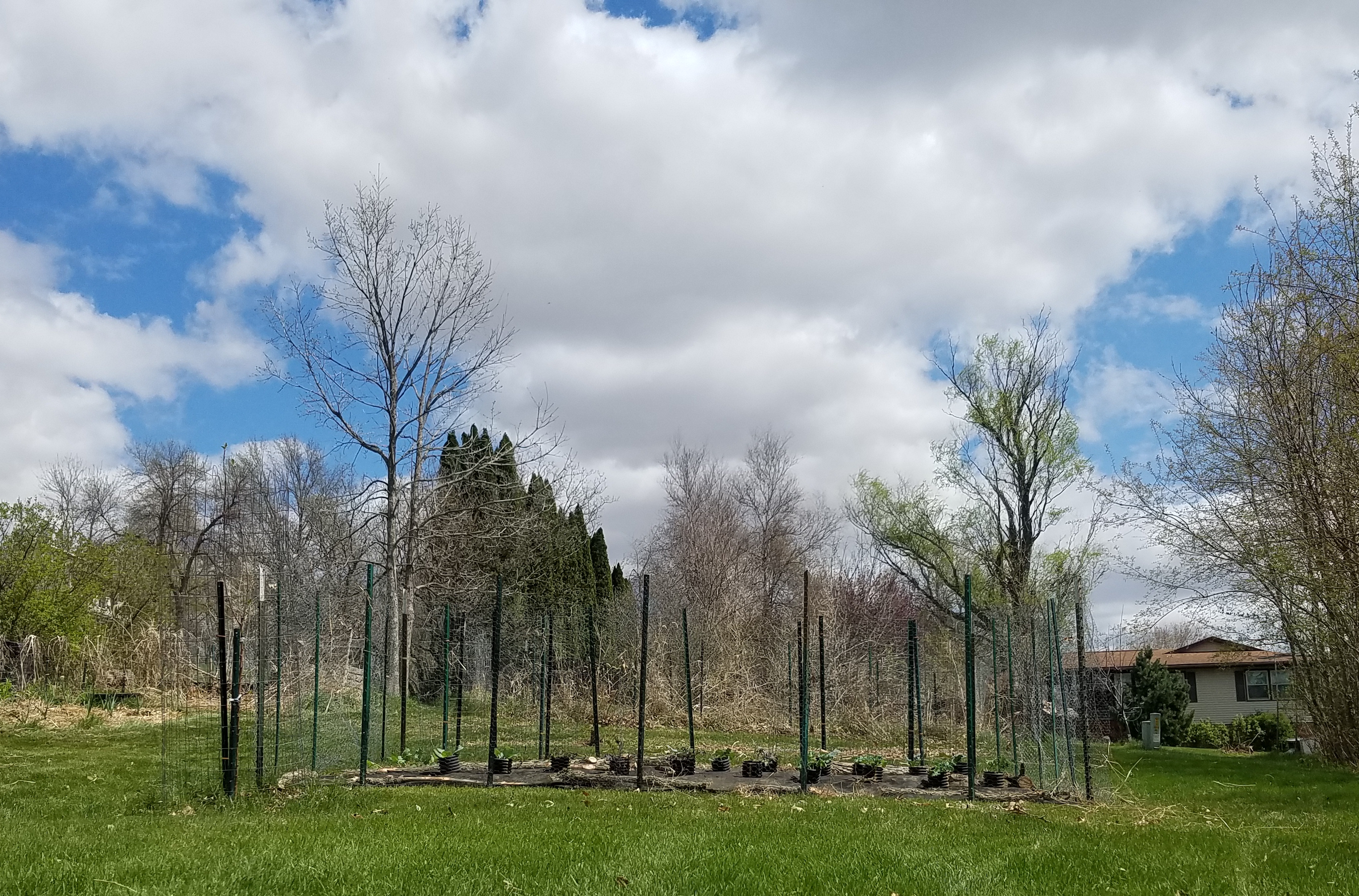
Garden on May 31, 2021

Gardening season has begun!

Onions and shallots planted Jan. 6 were ready to come off the heating pad. The only note is shallot seeds from 2020 did not germinate this year. Because I also planted new seeds, everything is fine. I replaced onions and shallots on the heating pad with a flat of kale, broccoli and collards on Feb. 6.

It doesn’t require much work at this point. There is soil mix from last season. Making and planting a flat of soil blocks took about an hour. The worst part was the garage was pretty chilly. I was able to stand the cold and finish the work.

About a dozen seed catalogues arrived since Jan. 1. I went through them yesterday and believe I have what is needed. I’ll take another look and order what may be lacking in my seed collection this week. I started older seeds on Sunday. There is plenty of time to see if they germinate. Once they do, I’ll plant the next flat of early seeds.

Snow remains on the ground. Since provisioning last Thursday, I haven’t left the house except to retrieve the mail and deliver the recycling bin to the street. I’m thinking by late March I can plant cruciferous vegetables in the ground. Once the snow melts there will be a lot of outdoors work. I’m ready for it. It’s time to garden.

Categories
Kitchen Garden

Gardening Under an Open Sky

Garden Plot #2, April 16, 2021.

A six-hour shift in the garden moved things along.

In that time I relocated tomato cages, tilled the soil, laid down garden cloth recycled from last year, and planted kale, collards, beets, kohlrabi and broccoli to join the peas, radishes, carrots and turnips already there. I left spots for chard and mustard greens, and once beets, radishes, carrots and turnips are done, other vegetables will be planted there.

When finished, I installed four-foot chicken wire fencing around the plot to deter deer and rabbits from the smorgasbord. It was a good day’s work.

Perhaps the best thing about Friday was working in the garden blocked out computer work on my desktop and mobile device. There’s more to life than constant engagement on line.