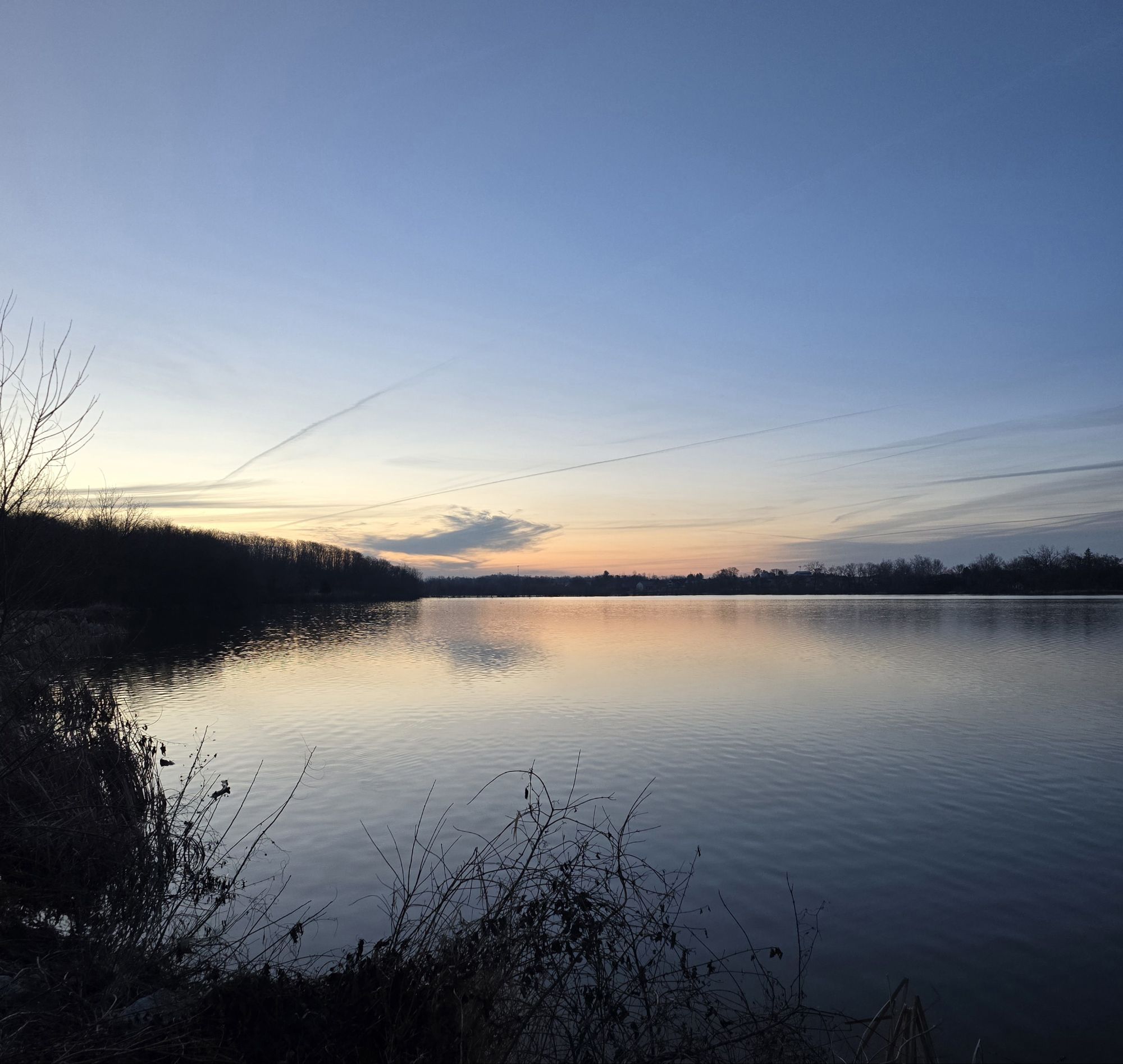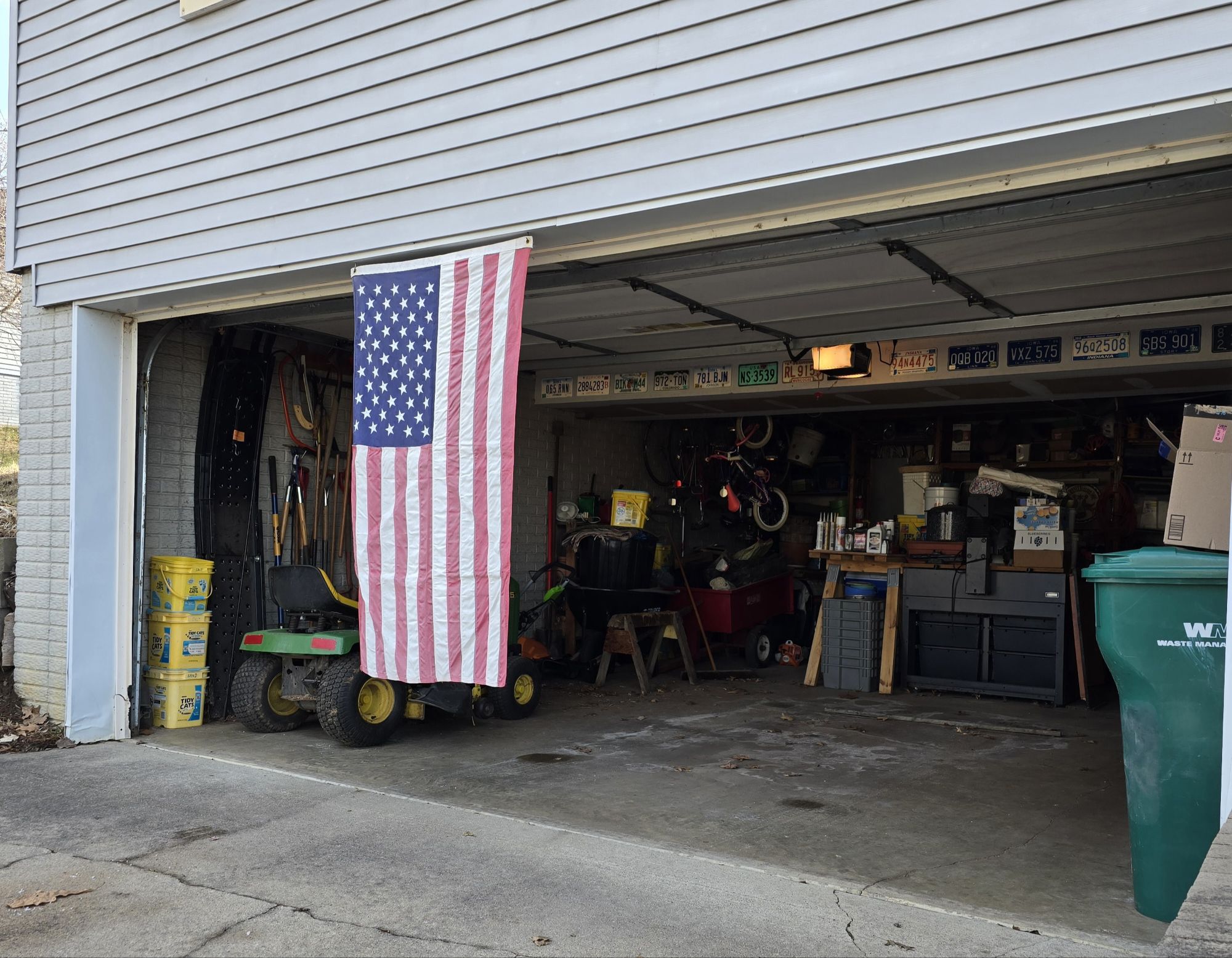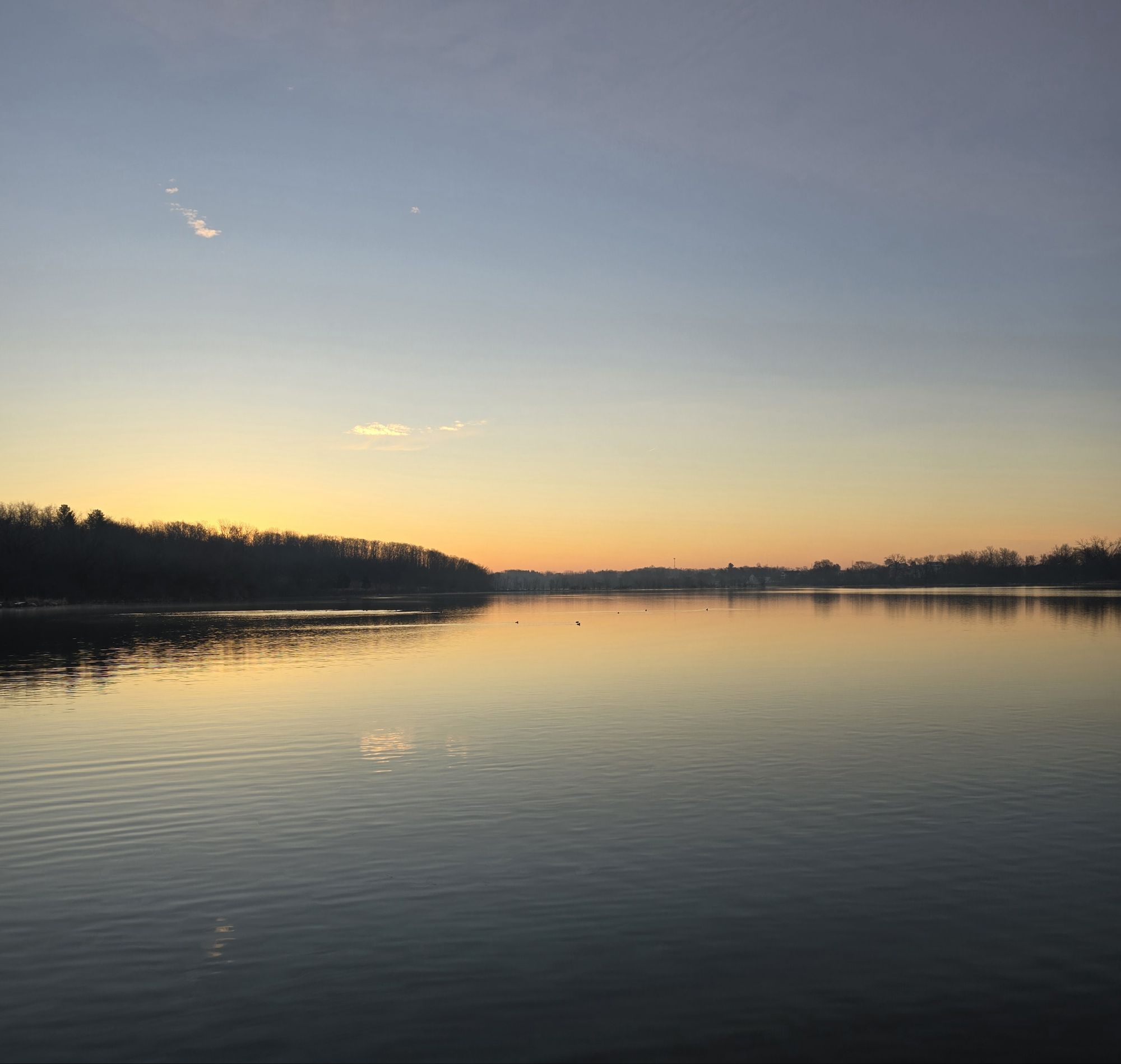
The heat and humidity backed off, making Tuesday a pleasant summer day. Ambient temperature got up to the mid eighties, yet a lack of high humidity made everything outdoors tolerable. I spent a good amount of time there.
Like many, I’m not happy the U.S. Senate passed the budget reconciliation bill. It apparantly came down to Alaska’s Senator Lisa Murkowski who, fearing retribution for a no vote, changed her mind and provided the 50th yes vote. That enabled the vice president to break the tie and deliver a win for Republicans. It is now up to the House to concur… or do what they will.
There is a lot to deal with. Senator Adam Schiff pointed this out in the bill:
If it passes, this will be a setback for environmental quality. Many environmental advocates may feel like the U.S. is back to square one. Me? I can’t give up.
For now, we have perfect summer weather. For how long is hard to say.
It snowed overnight on March 20, leading into spring.
The year we moved to Indiana’s Calumet Region in 1988 marked the onset of the worst U.S. drought since the Dust Bowl. The 1988-1990 North American Drought covered a smaller amount of geography compared to the 1930s Dust Bowl yet it was the most expensive extreme weather event in terms of monetary damages in U.S. history until that time.
Nearby Milwaukee, Wisconsin, set a record 55 consecutive days without measurable precipitation. During summer heat waves, thousands of people and livestock died. The drought led to many wildfires in western North America, including record fires in Yellowstone National Park in 1988.
While living in the Calumet, I understood the region’s activities were adding carbon dioxide to the atmosphere, enhancing the greenhouse effect that causes planetary warming. This includes the enormous Amoco Oil Company refinery located 23 miles from our house.
In 1988, we were turned inward, living our family life. We also had air conditioning. I did not understand how prevalent the deleterious effects of climate change would become in our lifetimes. It was one of what became a series of extreme weather events leading through time to when I wrote this post. We understand now.
The United Nations suggests ten thing we can do to address climate change. They even have an app! It is not too late to begin addressing our contributions to global warming and environmental degradation. Click here to learn more about what you can do.
With Al Gore and Company in Chicago 2013. This is about half the attendees. I’m in there somewhere.
The 29th Conference of the Parties was a disappointment. Fossil fuel interests hindered the ability to accomplish constructive things since the beginning of the process. Now, they stopped anything except the most minimal action at COP29. Former Vice President Al Gore summarized the situation in this statement:
November 23, 2024
While the agreement reached at COP29 avoids immediate failure, it is far from a success. On the key issues like climate finance and the transition away from fossil fuels, this is — yet again — the bare minimum.
We cannot continue to rely on last-minute half measures. Leaders today shirk their responsibility by focusing on long-term, aspirational goals that extend far beyond their own terms in office. To meet the challenge of our time, we need real action at the scale of months and years, not decades and quarter-centuries.
This experience in Baku illuminates deeper flaws in the COP process, including the outsized influence of fossil fuel interests that has hobbled this process since its inception. The Kingdom of Saudi Arabia has been particularly obstructive. Putting the future of humanity at severe risk in order to make more money is truly disgraceful behavior. Reforming this process so that the polluters are not in effective control must be a priority.
On climate finance, our primary task in the coming years must be to not only fulfill and build upon the financial commitments agreed to at COP29, but to unleash even larger flows of affordable and fair private capital for developing countries.
Ultimately, coming out of COP29, we must transform disappointment into determination. We can solve the climate crisis. Whether we do so in time to meet the goals of the Paris Agreement will depend on what comes next.
The climate is changing. Do humans have the capacity to protect all we hold dear from the ravages of the climate crisis? Time will tell. The Conference of the Parties is our last, best hope to stave off the worst impacts of human-caused climate change.
Image of Earth 7-6-15 from DSCOVR (Deep Space Climate Observatory)
President-elect Donald Trump is expected to withdraw the United States from the Paris Climate Accords, as he did during his first term. His re-election cast a pall over the 29th Conference of the Parties which began Monday in Baku, Azerbaijan. The United States has been a world leader in mitigating the worst impacts of climate change. Trump’s direction of breaking down the international order where the United States is a leader seems clear.
Azerbaijan is the third consecutive petrostate to host the conference, and arguably intends to stop decarbonization if they can. The work must continue, yet it is expected to slow because of the prospect of the U.S. intentionally hobbling it. In an email this week, the Climate Reality Project said, “Wealthy petrostates and fossil fuel companies are misleading the public, lobbying country leaders, and taking over the COP process, trying to stop progress every step of the way.” Addressing the climate crisis will continue to be an uphill struggle.
Based on the seven days since the election, Trump seems better prepared to implement policies the Heritage Foundation handed him in the form of Project 2025. I must pick which parts of society in which to exert my personal influence. I need more dust to fall and settle before deciding what to do. The climate crisis ranks highly on my list.
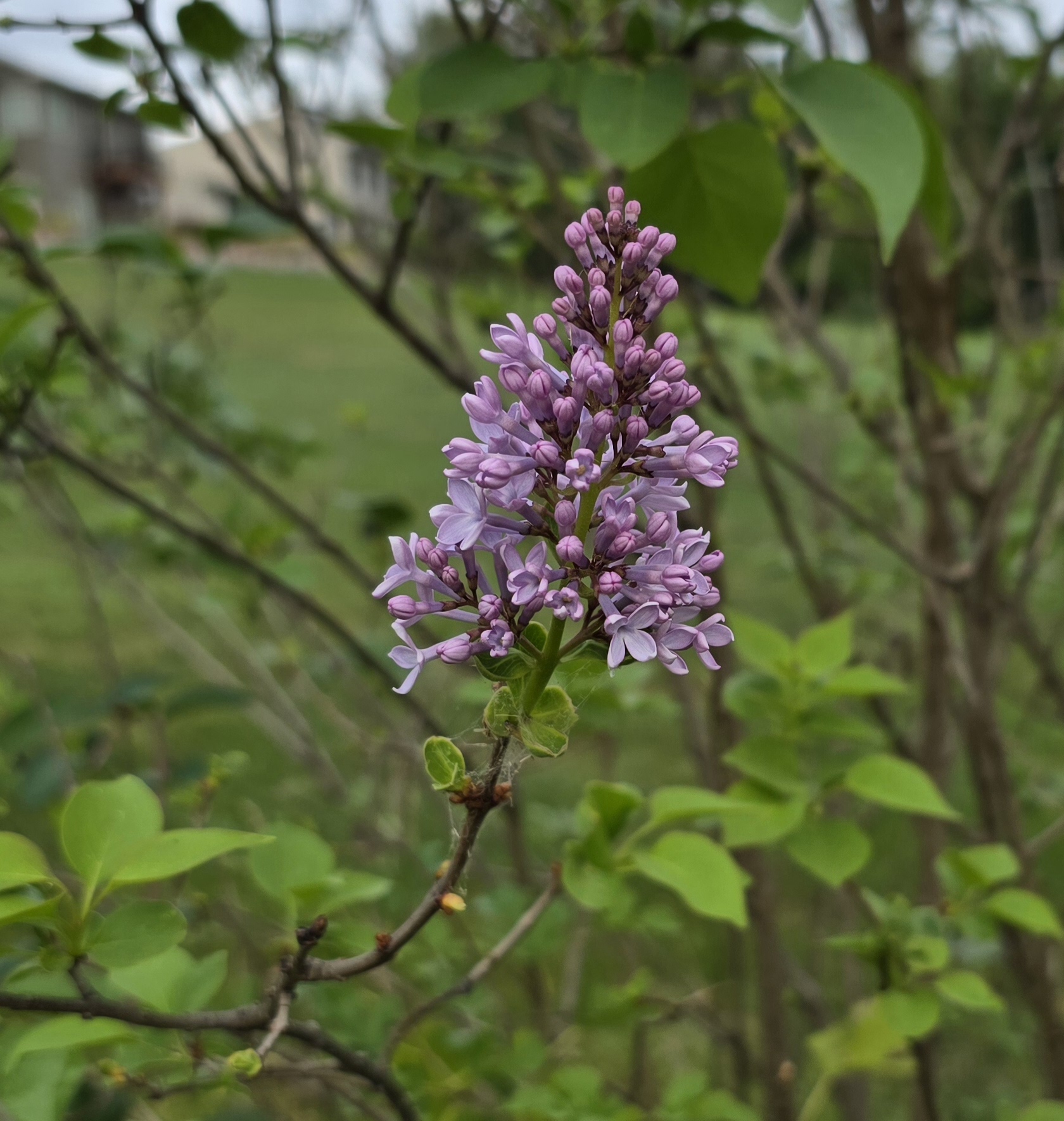
A sure sign the period of annual warm ambient temperatures expanded is the fact our lilac bushes are flowering a second time this year. I planted them some 30 years ago and only recently have we experienced a double bloom. The flowers are pretty, but the reasons behind their twice a year appearance are not.
The Intergovernmental Panel on Climate Change (IPCC) members are skeptical that warming will be limited to the Paris targets of well below 2 °C, but are more optimistic that net zero CO2 emissions will be reached during the second half of this century. What does that mean? We, as a society, are inadequately moderating the rise in atmospheric temperatures by getting to net zero fast enough. I don’t see any of my neighbors concerned about this, even if they should be. I doubt many of them even know what is net zero.
Whether we like it or not, large online retail sellers provide an efficient service. Not only do companies like Amazon compete on pricing, their distribution network prevents untold automobile trips to retail establishments. That may be a pox on smaller retail stores, yet Amazon is committed to achieving net zero carbon emissions by 2040, much sooner than society as a whole seems likely to achieve it. We citizens may be skeptical of Amazon’s Climate Pledge, but what else is there in a world increasingly controlled by large corporations?
A person can only do so much. Our combustion engine subcompact automobile remains parked in the garage five or six days each week. When we bought it, electric vehicles were simply not available when we needed one. I mow the lawn with my gasoline-powered mower only once per month. I set the thermostat for our HVAC system higher in summer and lower in winter. If everyone did these things, our aggregate actions might have an impact. Like with net zero, this is something our neighbors don’t talk much about. Whether they take similar action is sketchy at best.
To address the lack of awareness, I learned to interpret visual cues in the environment. Things like the second blooms of a lilac bush. It seems essential to do more than appreciate the beauty we find in nature. At the same time, we must question why long-standing botanical and animalia behaviors are changing. With few exceptions, such changes lead us back to new, polluting emissions since the Industrial Revolution.
We won’t undo the changes of the Industrial Revolution quickly enough. We, as a society, should be working on that. Imperfect though it may be, achieving net zero carbon emissions is a worthy goal. Midwestern lilac bushes seem to be adjusting to a changing climate. Now it’s our turn.
Stonehenge with orange powder paint applied by vandals on June 19, 2024. Photo Credit: BBC.
In the first place, it is difficult to recognize this gathering of large rocks in the photo as Stonehenge. Mostly, the significance of an act of vandalism may have been more prominent in the minds of two vandals than in anyone else. I get it. Summer was about to begin. That’s a big day for some. Just Stop Oil, the organization behind the vandalism, said their motivation was to demand the next UK government end extraction and burning of oil, gas and coal by 2030. Whatever. Apparently it took an oversized hair dryer to blow the powder paint from the rock surfaces without harming colonies of lichen that developed there. If people know about the incident, it’s been forgotten by now.
Having done my tour of duty on the Salisbury Plain, my memories are scant. I stayed at a youth hostel, and made visits to Salisbury, Bath and Stonehenge. Another traveler, who spent the previous few weeks wandering about the moorland of southwest England, invited me to accompany him. I declined. It sounded too much like Iowa, and a bit dreary. I bought a post card at the Stonehenge gift shop and worked my way from the chalky plateau to the chalk cliffs of Dover and then to Calais, where my journal of Salisbury and England was pinched with my backpack after crossing the channel in a hovercraft.
I never looked back on England, and don’t understand the fascination with Stonehenge at solstice. It is an old thing, shrouded in lost history. I’m more thankful the days start getting shorter, and planning for autumn can begin in earnest.
One surviving account of my visit to Stonehenge remains.
Very sunny here today near Stonehenge, and other ancient ruins. Stonehenge yesterday brought to attention the very tourist like notions of seeing something only to tell your friends about it when you get back. It may be that these days this is the notion you should have or at least most common, but it is also a notion of which I refuse to partake. It is only a very insensitive person who will go look and come back in one hour as the tour bus takes, but then there’s hours and barb wire fence to keep you from doing it any other way. Yet here too comes the notion that since there are so many books and pictures and articles about Stonehenge why even bother the few minutes to even see the thing.
On the way from the rocks to the return bus, the drivers were talking and one said to another, “It’s too bad it started to rain. It spoiled their trip.”
Here it seems that there is such a “holiday” preconception among these drivers (and all Britons as well) that it prevents them from seeing what is really, actually there: some rocks with barb wire about them with people crowded within these premises. At any rate, I was no different from the others when I paid my 65p and walked, took some photographs, and bought some postcards which I today mailed to the states.
Journals, Winston Churchill Gardens, Salisbury, England, 11:45 a.m. on Aug. 27, 1974
In the 5,000-year history of Stonehenge, Wednesday’s protest is less enduring than the lichen that over millennia colonized the massive stones. I don’t wish ill on the two vandals. I just hope they receive their just desserts. I’m sure the ancient druids could care less about this week’s events.
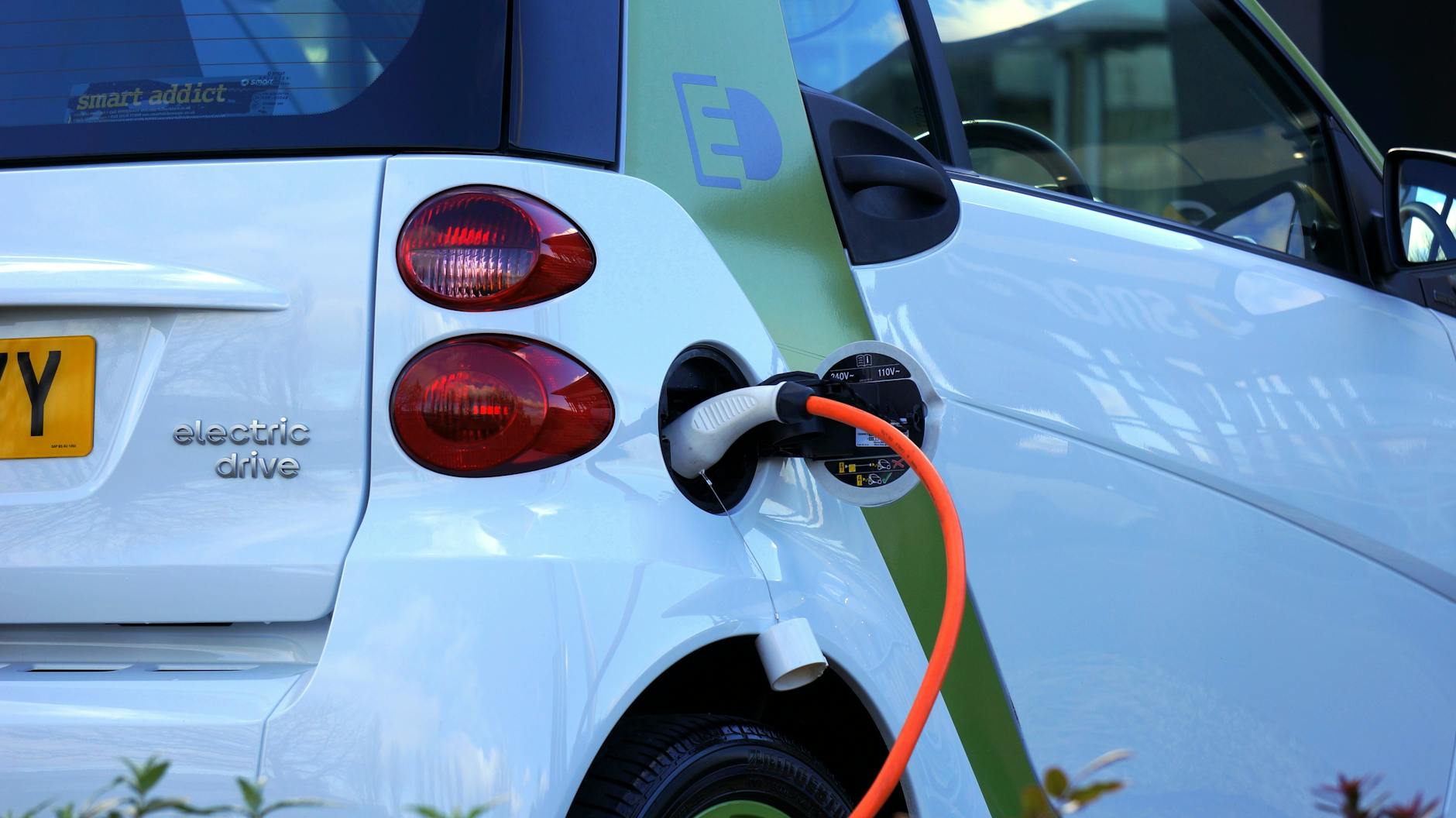
Moving the automotive economy toward electric vehicles is a good thing for multiple reasons. An important benefit is to decrease reliance on burning stuff in an internal combustion engine. In the late 19th Century, Rudolph Diesel invented an engine that could burn almost any liquid fuel, including whale oil, tallow, paraffin oil, naphtha, shale oil, and peanut oil. Despite the initial available diversity, the economy followed a track to perfect the gasoline engine and use it for transportation. To a large extent, that’s where we are now, with Diesel’s namesake fuel relegated to trains, buses, heavy trucks, boats, and power generators.
In 2022, we needed a new car and could not confirm a delivery date on available electric vehicle models. They were in high demand and manufacturing could not keep up. We ended up with a three year old used car that got 38 miles per gallon of gasoline. In addition to supply falling short of demand, there are other problems with electric vehicles.
Electric vehicles reduce emissions and are often much kinder to our planet than gasoline and diesel alternatives. Those are positive attributes. The world is not ready for EVs and people experience barriers to using them in the form of charging station infrastructure, insurance, and affordability, in addition to the ability to timely buy one. The federal government has begun to create an environment for the advancement of EVs and Republicans are fighting it tooth and nail.
The latest conflict between doing what’s right for a majority of U.S. citizens, and Republican support for the fossil fuel industry, occurred after March 20, when the U.S. Environmental Protection Agency released a new tailpipe rule on vehicle emissions. “Joe Biden has launched a relentless onslaught of regulations infringing on American consumer freedom,” Congresswoman Mariannette Miller-Meeks wrote in her weekly newsletter. She decried that the administration’s “heavy-handed mandate forces American automakers to prioritize electric vehicle (EV) production and sales.” Well, yeah. That’s the point, along with preserving a livable world. The member of congress failed to mention all the positive things the president is doing to make EVs affordable for consumers.
The decision to EV or not to EV is not the choice of a single consumer. As individuals we have rights, yet the government must not leave the choice of whether we have a livable world in the hands of personal choice. To move the ball where it is needed regarding EVs, the government can and should be involved in nudging industry and consumers to move toward them. Under Biden, government accepted this role. The scale at which the administration proposes to increase EVs as a percentage of the global fleet is staggering. It is also what is needed to address the climate crisis.
My choice would be to use public transportation for every thing. As long as I have to drive because I live in the country, I expect to eventually convert to an EV and learn to love it. We must support the administration as we can, perfect what is flawed about their approach, and never lose sight of the big picture of slowing the greenhouse effect so we can maintain a livable world. In our current political situation, that means electing Democrats.
We, as a society, should be eating less meat. Why? Producing meat is an inefficient way to make food. Much of our agricultural production goes to animal feed where most calories are wasted because animals have lives to live. For example, for every 100 calories a cow eats, it produces three calories in meat. It’s not much better for sheep, dairy, pigs and chickens. Not only is meat-production inefficient, it requires a lot of land: half of the world’s habitable land is used for agriculture. Three quarters of that is used for livestock. (In Iowa, half the corn crop is used to manufacture ethanol). Add it all together — greenhouse gas emissions, land use, water consumption, and air and water pollution — and there is a strong case for meeting human nutritional needs other than from livestock.
R. Buckminster Fuller was the first person I read who said there is enough food produced in the world to feed everyone comfortably. He canceled the notion there wasn’t enough. What nature couldn’t provide, science would, he said, in the form of improved fertilizers, plant genetics, better land use, and distribution and packaging. Where we are each day is a beginning point for the rest of our lives. Each generation develops new insights into what makes our world work and how to improve it, including food production and distribution. Humanity is fraught with potential to feed ourselves.
“Man is a complex of patterns, or processes,” Fuller wrote in I Seem To Be A Verb. “We speak of our circulatory system, our respiratory system, our digestive system, and so it goes. Man is not weight. He isn’t the vegetables he eats, for example, because he’ll eat seven tons of vegetables in his life. He is the result of his own pattern integrity.” Understanding our “pattern integrity” and how it relates to the physical world is a key challenge of agriculture. It is also a source of planetary degradation because of how we pursue agriculture, especially through livestock culture.
Hannah Ritchie points out in her book, Not the End of the World: How We Can Be the First Generation to Build a Sustainable World, “Our battle with agriculture has been centered around one thing: having enough nutrients in the soil at the right time.” During the early 20th Century, German chemists Fritz Haber and Carl Bosch developed what is called the Haber-Bosch process which converts nitrogen and hydrogen into ammonia which can be used as fertilizer. The advances in plant genetics developed by Norman Borlaug are well known. Between Haber, Bosch and Borlaug, they created the Green Revolution which enhanced food production three-fold from historical levels. This is the kind of science to which Fuller referred.
Changing how we live regarding agriculture is about more than personal choices. I have no regrets choosing a mostly ovo-lacto vegetarian diet beginning in the 1980s. In the early period, there was no strict line between meat culture and vegetarianism. I did not eat meat at home, and when I was out, especially with business clients or close family, I sometimes did. It was a non-issue. I guess you would call 1980s me a casual vegetarian.
As I age, I have less interest in eating meat: partly because it is expensive to buy, and mostly because it has no viable role in the cuisine I developed in our kitchen-garden. The issue with personal choices is they are not scalable to a level where it would make make a significant change in land-use policy. It would take a lot of people leveraging the power of the pocketbook to turn things around regarding consumption of meat and associated environmental degradation.
When addressing global environmental problems we can lose hope because of their scale. By identifying a big part of the problem has been livestock and meat production, we have something tangible to grasp, something within our control. By reducing consumption of meat we contribute to a solution to our environmental crisis. There is something good in that.
I met Finn Harries in Cedar Rapids at Al Gore’s 2014 Climate Reality Leadership Corps training. The diminutive Brit showed up only for the days Gore gave his Inconvenient Truth lecture. Harries and his twin brother Jack had millions of subscribers on their YouTube channel JacksGap. With a fame of his own, Finn Harries had specific intent in attending the Iowa training.
During the last ten years, the brothers developed a process to address the climate crisis. Finn is working on regenerative agriculture and Jack started Earthrise Studio. The transformation of their YouTube channel is ongoing at Earthrise Studio.
This channel is currently undergoing an exciting transformation. In 2011 we launched JacksGap, a creative storytelling project featuring short travel films by Jack and Finn Harries. Since then we’ve been on the most incredible journey covering stories all around the world and increasingly learning about the significant environmental issues we face. Today 10 years later we are re launching this channel as Earthrise, a digital media platform and creative studio dedicated to communicating the climate crisis. Earthrise tells stories for a new world. Radical stories of hope, of new possibility. Stories from the future that help us navigate the now. We’re so excited for this next chapter and hope you’ll join us!
Their channel has grown to 3.63 million subscribers.
On Tuesday, Jan. 16, I received this email with a link to their first video about fossil fuels. Please take 11 minutes to view it. It presents a different picture of the geopolitical impact of fossil fuels and leads into the same discussion about renewables.
A year ago, we set out on a journey to investigate the origins of the global energy crisis, an issue that took the world by storm and resulted in extortionate energy bills for people everywhere.
Fast forward to today, we’re so excited to share that the first episode of POWER has just gone live on our YouTube channel. But first, a quick recap on how we got here…
February: We decided to make a series about fossil fuels.
March: We went to our audience to crowdsource questions.
April: We began writing the series.
July: We kicked off production in our new filming studio.
December: We wrapped filming.
Yesterday: We held an in-person premiere for our community.
Today: We hit upload on Episode 1, and you can now stream it on our YouTube channel using the link below.
You must be logged in to post a comment.