Categories
Environment

Spring is Budding

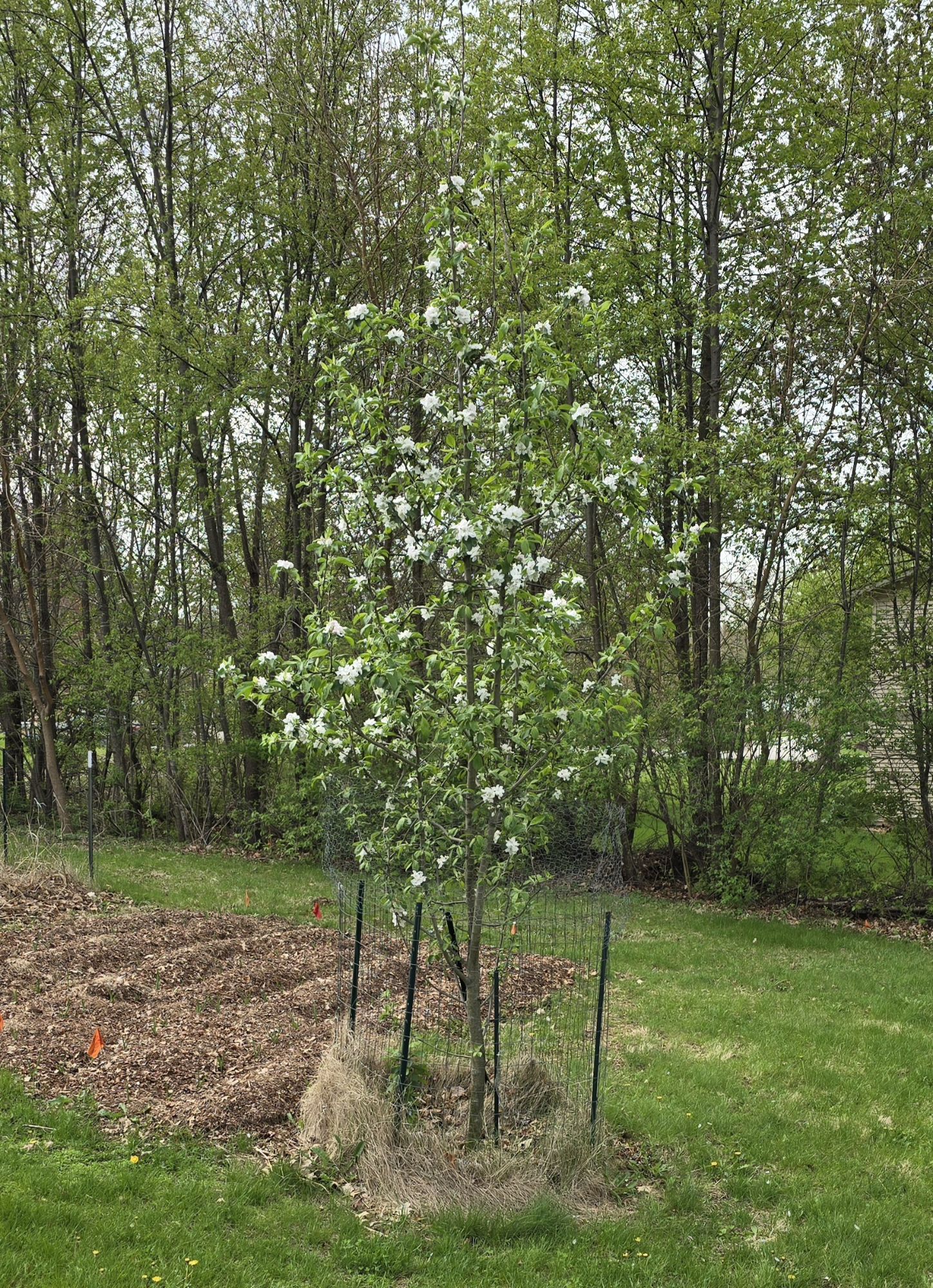
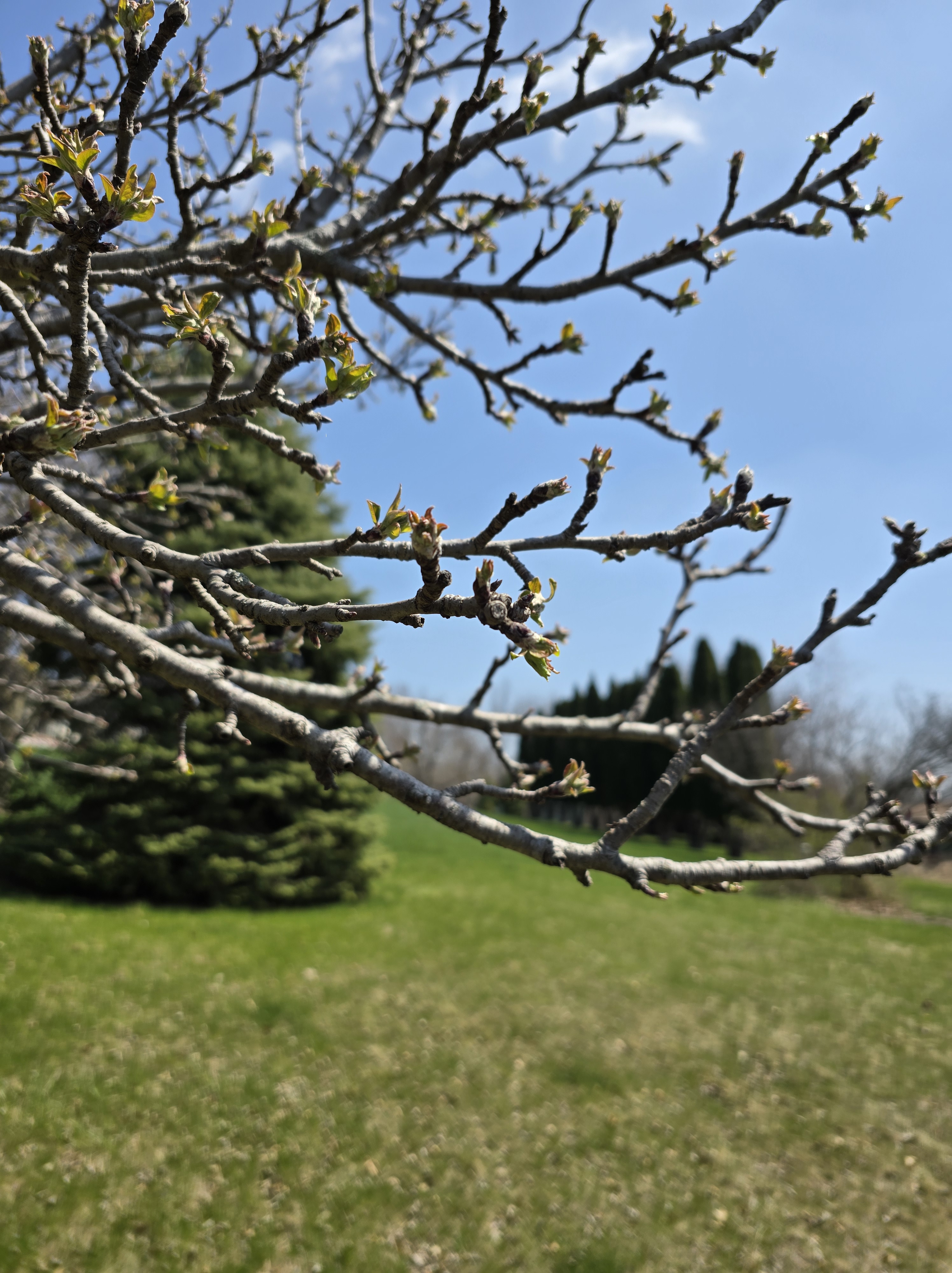
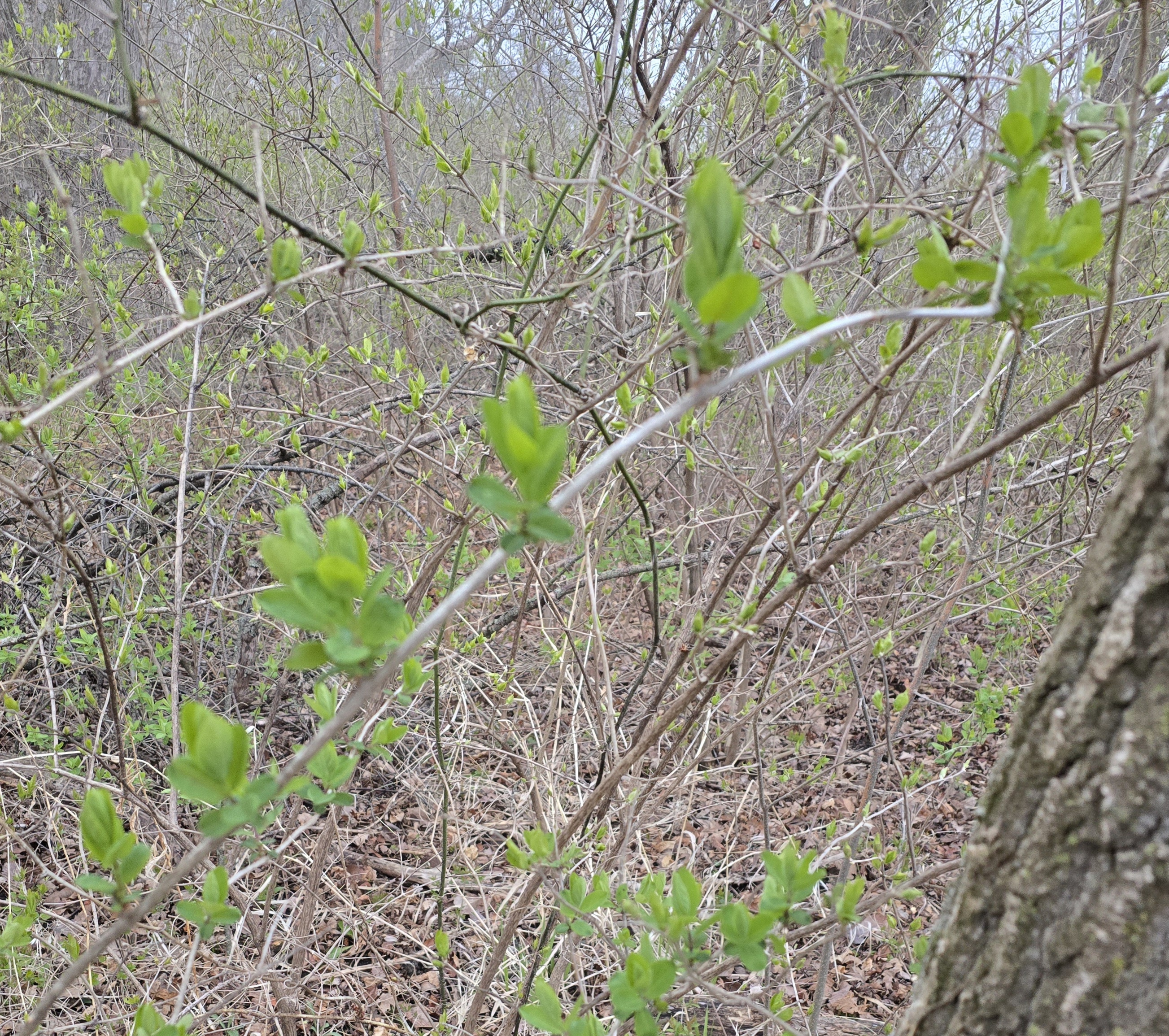
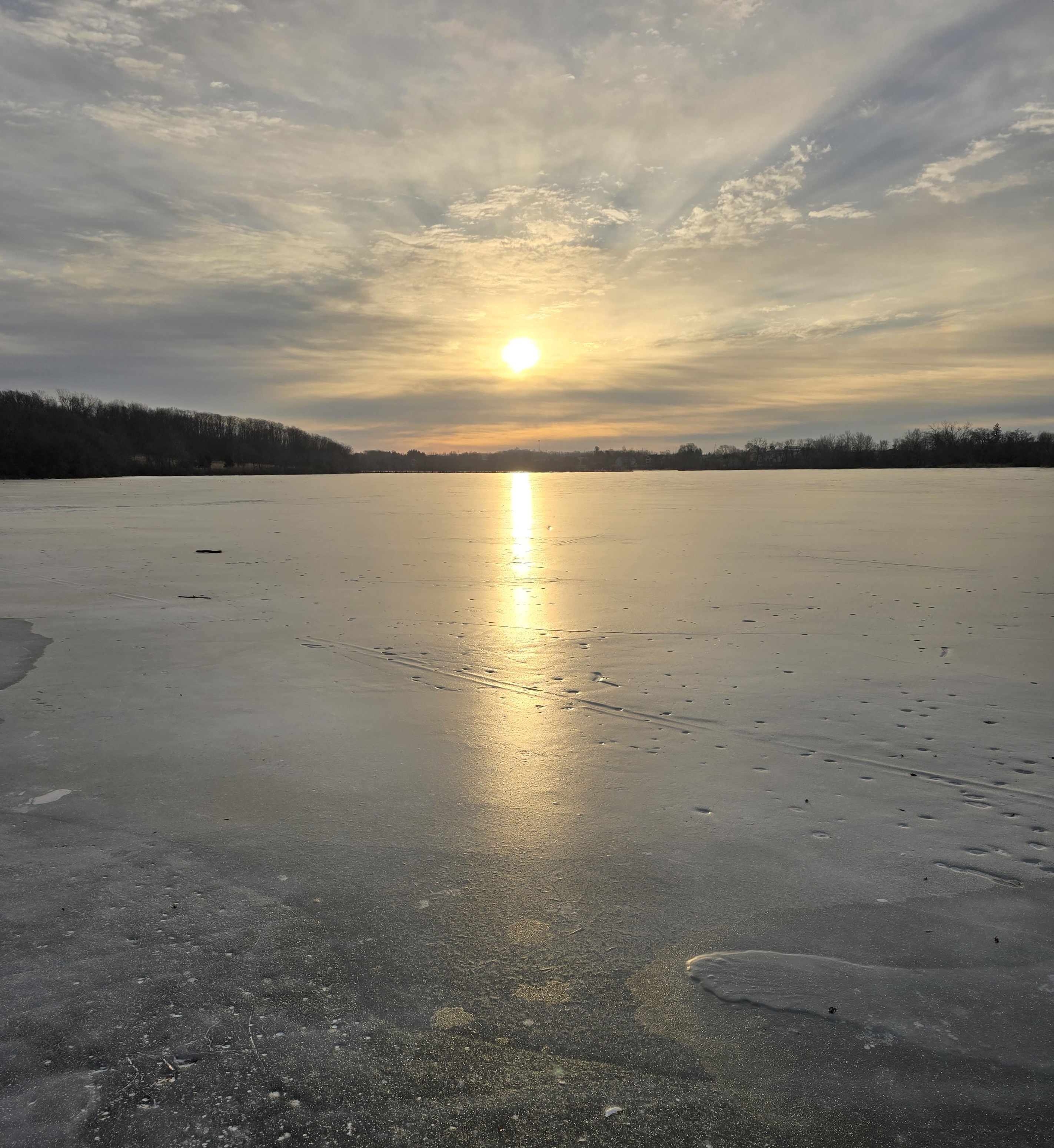
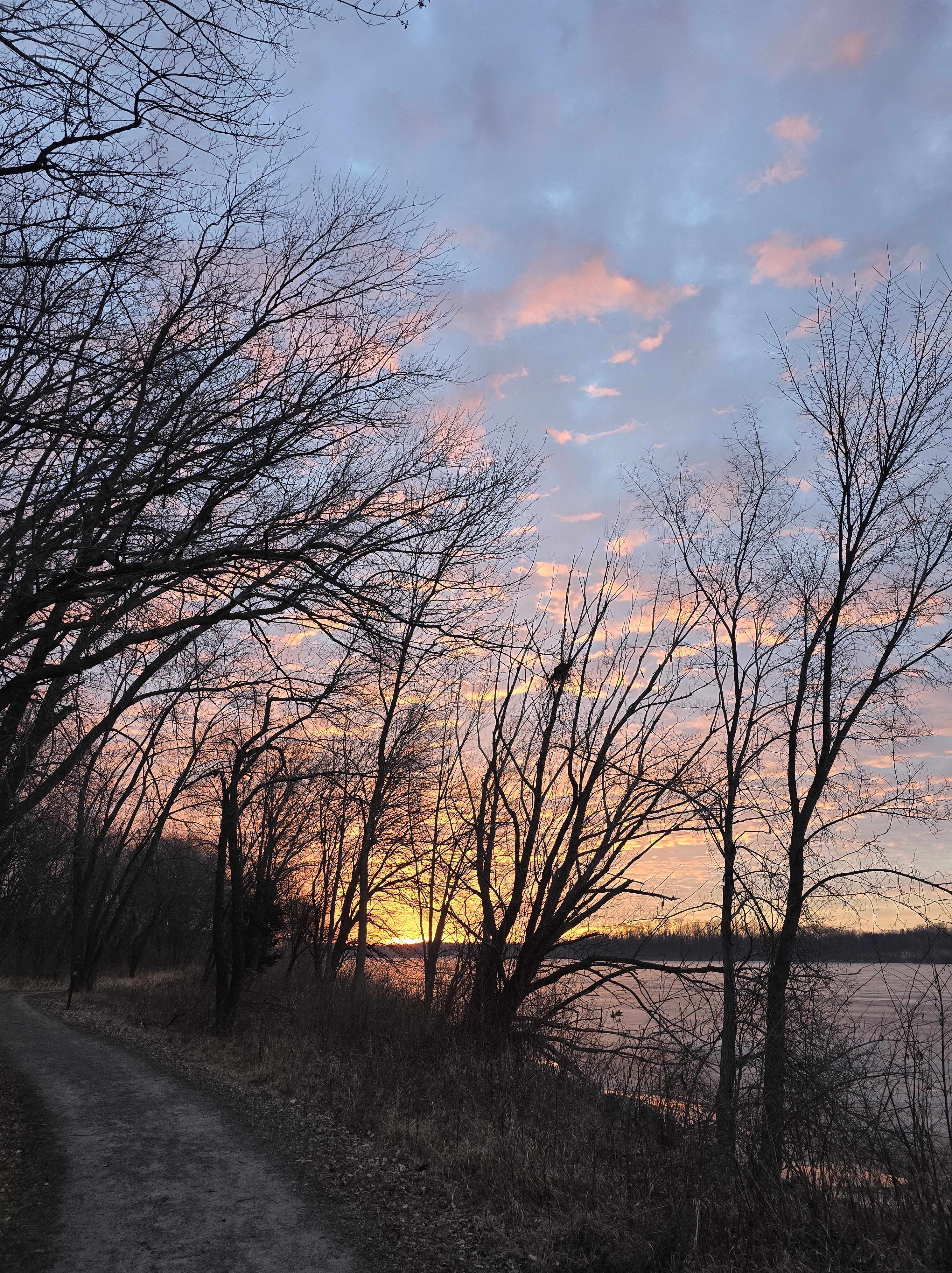
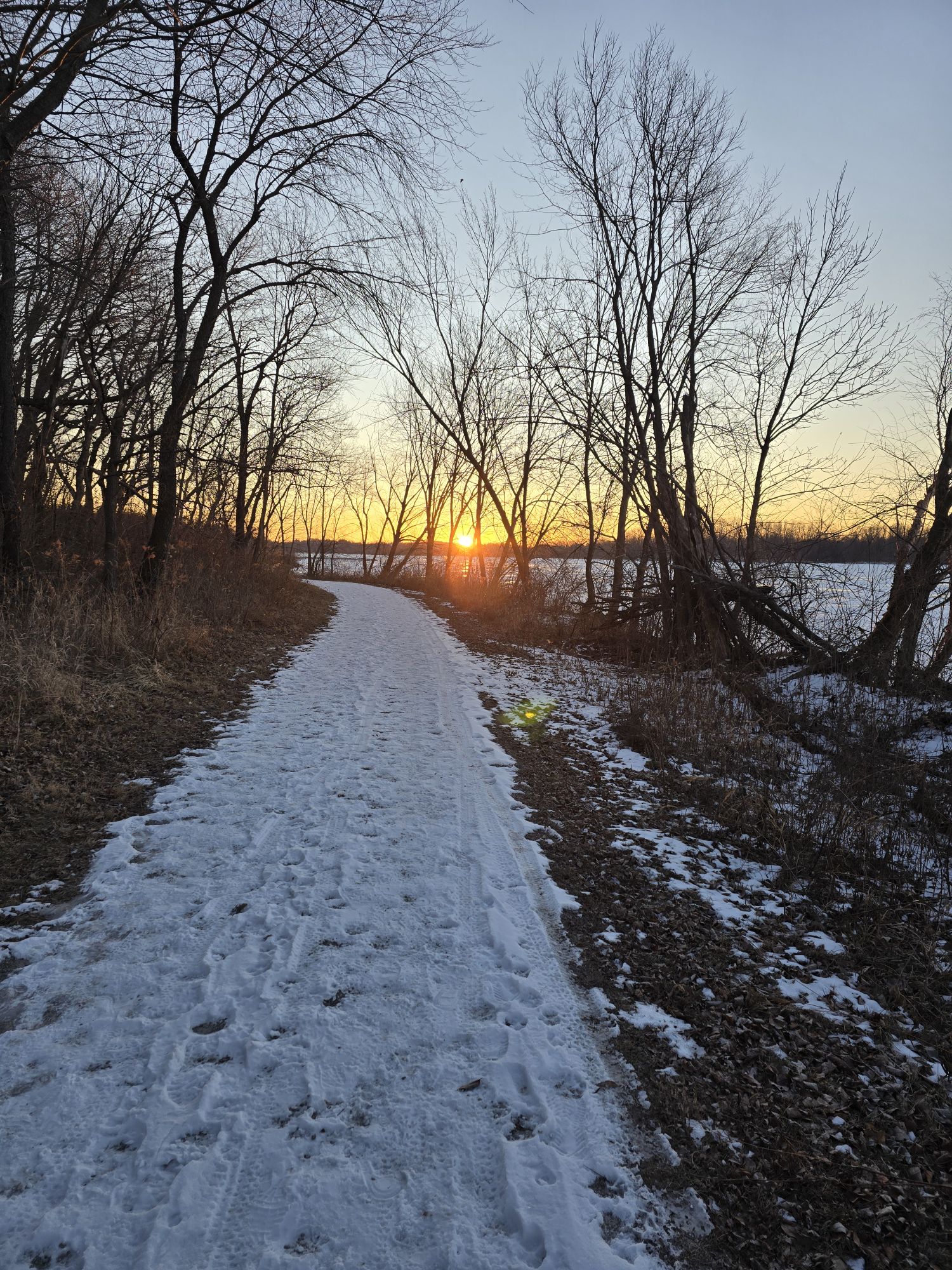
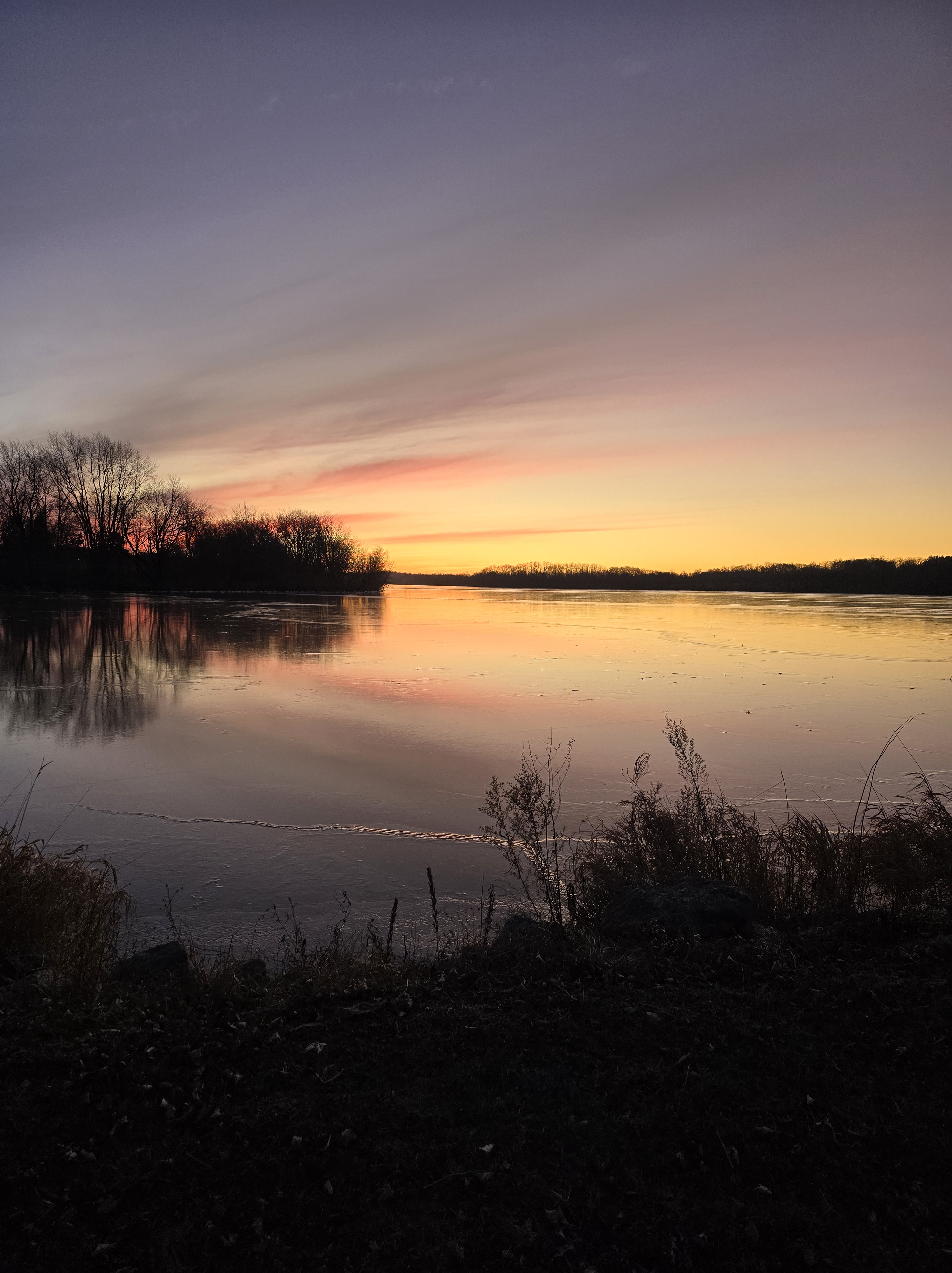
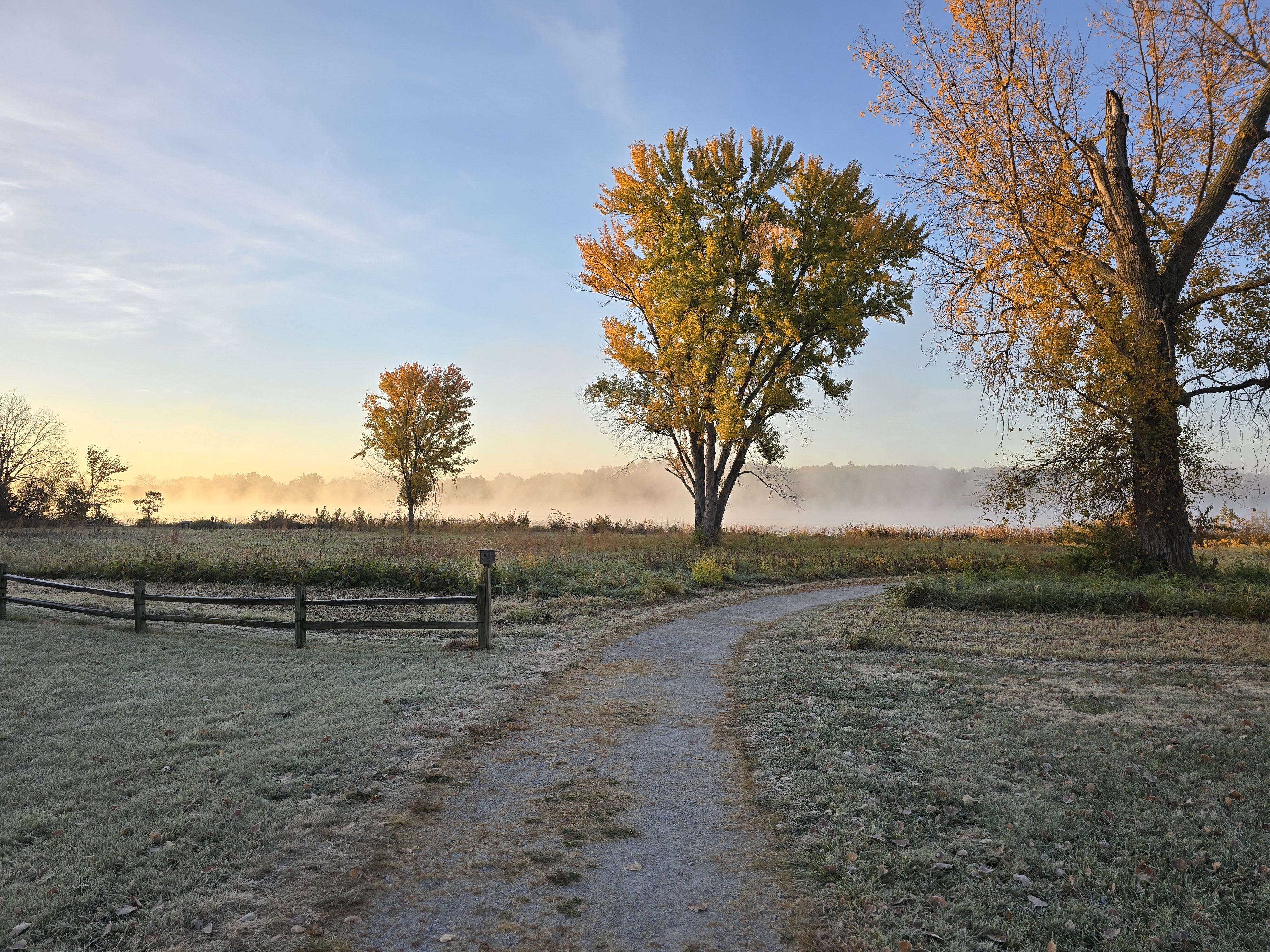
I went on walkabout to capture a bit of spring. Here are four photos from my journey.

Categories
Sustainability

Sunday is a Day of Rest

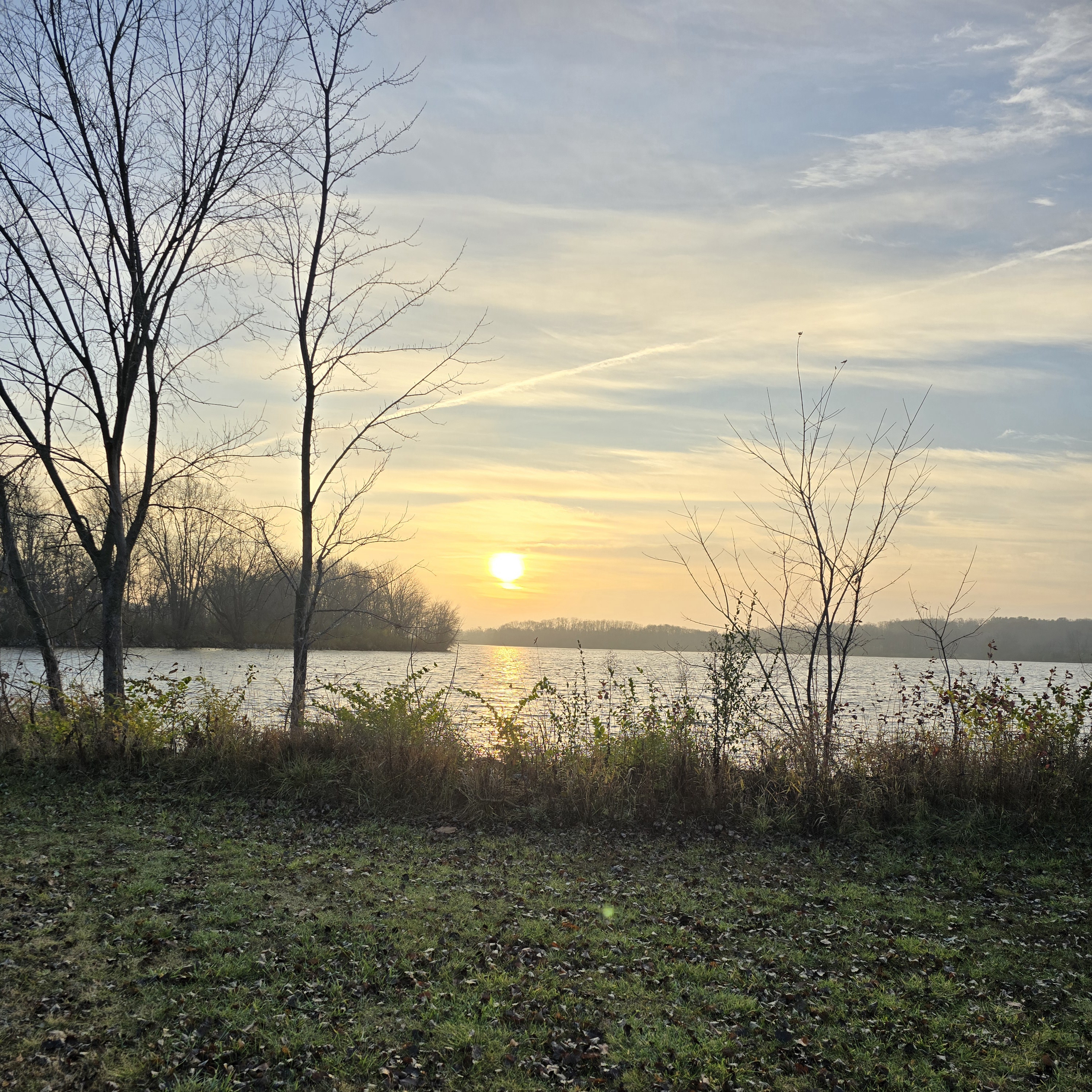
Predawn sky from the state park trail.

The constant news cycle is not good for us. Sunday is as good a day as any to take a break and focus on the real world all around us. It is also a day to post my favorite photo of the week.

Categories
Environment

Iowa Sunrise

Categories
Environment

Extreme Weather #2 1988-1990 Drought

It snowed overnight on March 20, leading into spring.

The year we moved to Indiana’s Calumet Region in 1988 marked the onset of the worst U.S. drought since the Dust Bowl. The 1988-1990 North American Drought covered a smaller amount of geography compared to the 1930s Dust Bowl yet it was the most expensive extreme weather event in terms of monetary damages in U.S. history until that time.

Nearby Milwaukee, Wisconsin, set a record 55 consecutive days without measurable precipitation. During summer heat waves, thousands of people and livestock died. The drought led to many wildfires in western North America, including record fires in Yellowstone National Park in 1988.

While living in the Calumet, I understood the region’s activities were adding carbon dioxide to the atmosphere, enhancing the greenhouse effect that causes planetary warming. This includes the enormous Amoco Oil Company refinery located 23 miles from our house.

In 1988, we were turned inward, living our family life. We also had air conditioning. I did not understand how prevalent the deleterious effects of climate change would become in our lifetimes. It was one of what became a series of extreme weather events leading through time to when I wrote this post. We understand now.

The United Nations suggests ten thing we can do to address climate change. They even have an app! It is not too late to begin addressing our contributions to global warming and environmental degradation. Click here to learn more about what you can do.

Categories
Sustainability

Big Grove Township Extreme Weather #1

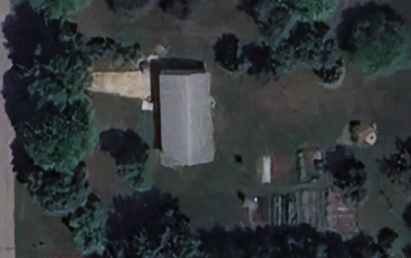
The home we built in 1993 from Google Earth.

Editor’s Note: Our arrival in Big Grove Township was marked by the first in a series of extreme weather events: the 1993 flood. It was called a once in 500-years flood, yet we would soon find out flooding had become more common, including the next 500-year flood event in 2008. I plan to weave at least six extreme weather events into my memoir, beginning with this chapter on Big Grove Township.

Big Grove Township was established before Iowa Statehood. The first sawmill was built here in 1839 by Anthony Sells on Mill Creek. Put the big groves of trees together with the sawmill and you have us. The oak, walnut, hickory, ash, elm and cottonwood that once thrived among numerous pure springs were gone when we bought our lot here. What dominates is the culture we and others brought with us to an area where all trees indigenous to the Northwest once existed in abundance yet no longer do. There is something essentially American in that.

There is a subdivision named Mill Creek today, suggesting this history. Throughout the area, people refer to early settlers and builders of homes instead of the people who now own and live in those structures. The names Cerny, Beuter, Andrews and Brown persist, as does the more recent name of Don Kasparek upon whose former farm our home is situated.

On the vacant lot we purchased, there were scrub grasses and a lone mulberry tree. The tree appeared to have been planted by a bird’s droppings while it perched on a surveyor’s re-bar marker. The ground had a high clay content which suggested Kasparek had removed the topsoil before subdividing the plats. When he died in 2003, I recognized him in our association newsletter. We speak of him from time to time in the neighborhood, although not always in a positive way.

I looked at an old picture of a building on Main Street in Solon, the nearest city. In sepia tones, seven teams of horses and wagons are lined up in front of a building on the dirt street. We can make out the lettering on the shop windows: Cerny Bros Grocery, Cerny Bros Hardware, and Cerny Bros Feed. While the roads have been paved for many years, much of downtown and the surrounding area resonates with the area’s origins in history before automobiles.

We built our home during the record-breaking floods of 1993. Governor Terry Branstad described the extreme weather event as “the worst natural disaster in our state’s history.” The Des Moines Register published a commemorative book titled Iowa’s Lost Summer: The Flood of 1993. Extreme weather delayed construction of our home that summer, causing us to stay with relatives and in motels for about a month after we moved from our house in Indiana. We moved in during August 1993. I was used to severe flooding from growing up in Davenport where the 1965 Mississippi River flood broke records. I was not used to flooding, 1993-style.

I couldn’t help but believe who I was represented itself in any of local history. My culture was what I brought with me, rooted in coal mining, factory workers, farming, home making, and the rural cultures of Virginia, Minnesota and LaSalle County, Illinois. Our history as a family goes back on both sides to the Revolutionary War. My line in Virginia goes a hundred years prior to the revolution.

That my ancestor Thomas Jefferson Addington is a common ancestor to the Salyer girls of the Salyer-Lee Chapter 1417 of the United Daughters of the Confederacy stands in contrast to the story of Maciej Nadolski working in coal mines in Allegheny, Pennsylvania after the Civil War and then buying land from the railroad in Minnesota. What of my father’s birth in Glamorgan, Virginia? What of the suppression of Polish culture by the Russians after 1865 that led to a massive migration of Poles to North America? If I weren’t here, we wouldn’t speak much of these things in Big Grove Township. Perhaps with time we will.

Categories
Sustainability

Pre-dawn Pelicans

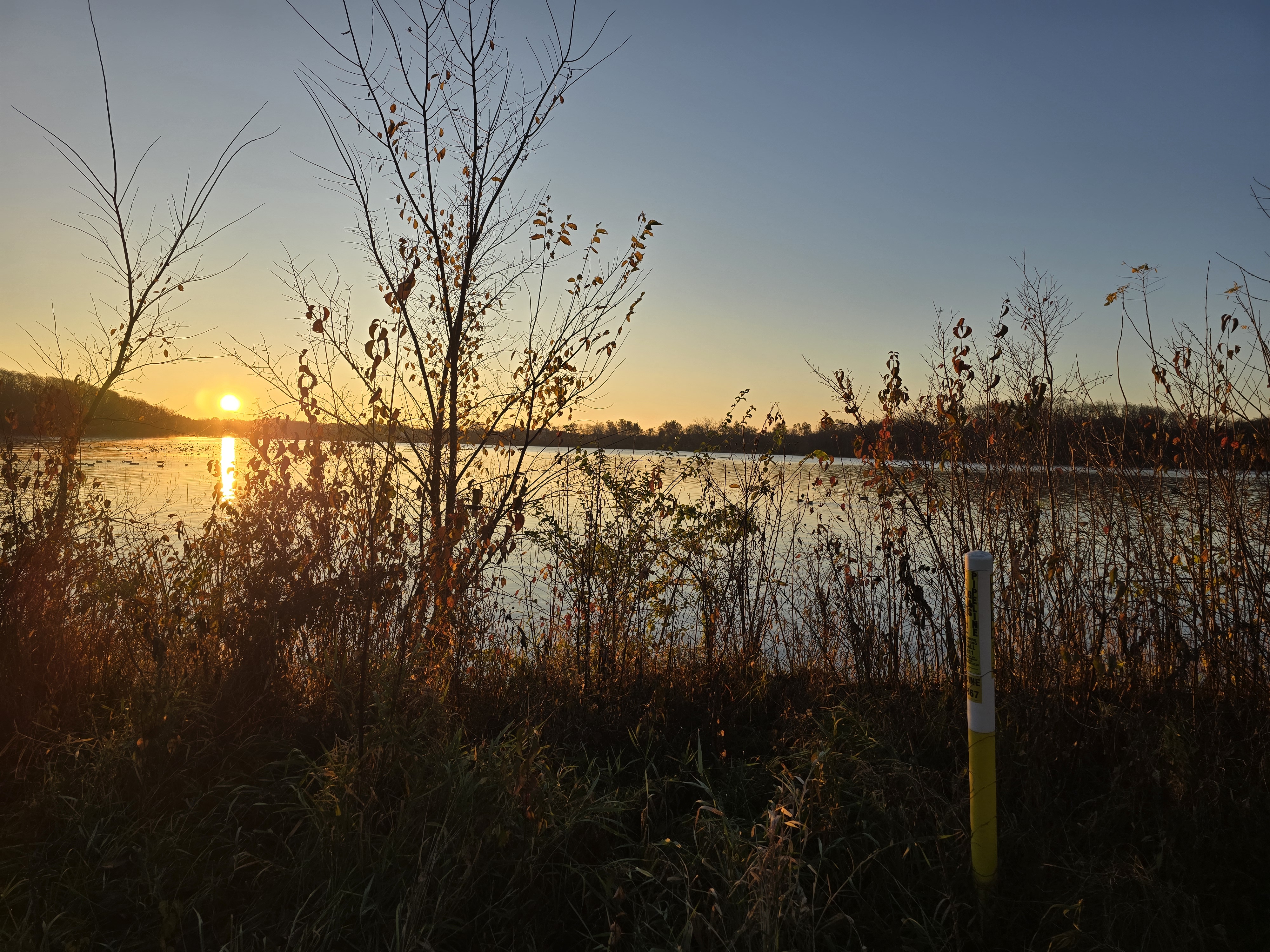
Pre-dawn pelicans on the state park lake.

Time for a break after posting every day since the inauguration. Here is a photo from a recent trail walk. See you later! Cheers!

Categories
Sustainability

Nuclear Weapons Update

B-61 Nuclear Bombs

Editor’s Note: On Friday, FOX News mentioned President Donald Trump sent a letter to Iran’s Supreme Leader Ali Khamenei, seeking a new deal with Tehran to restrain its rapidly advancing nuclear program and replace the agreement he withdrew America from in his first term in office. Iranian state media immediately picked up on Trump’s acknowledgment, though there was no confirmation from Khamenei’s office that any letter had been received. This seems largely a head fake. The real issue is the nuclear weapons held by the United States and Russia.

When the president mused about all the money the United States was spending on refurbishing our nuclear weapons complex, he can’t be taken seriously. This is what he said:

There’s no reason for us to be building brand new nuclear weapons, we already have so many. You could destroy the world 50 times over, 100 times over. And here we are building new nuclear weapons, and they’re building nuclear weapons.

What motivates this comment? Tax cuts for the wealthiest Americans. I plan to view it with a skeptical eye until the discussion gets beyond the type of public brainstorming the president is known for. This is what he meant:

The U.S. House is having trouble coming up with enough savings to fund my $4.5 Trillion in tax cuts, so maybe we could use some of the nuclear complex monies.

Cognizant there is a national security issue around the use of nuclear weapons, the president’s team developed a policy. Invoking the failed Reagan missile defense policy, the administration proposes we try it again under the aegis of an “Iron Dome for America.” As Stephen J. Cimbala and Lawrence J. Korb point out in Bulletin of the Atomic Scientists, the plan has serious technology and policy problems. What needs to happen is renewal of discussions between Russia and the United States concerning arms control. If nuclear arms are eliminated, there would be no need for a missile defense system by any name.

Daryl G. Kimball of the Arms Control Association said, “a dialogue between Moscow and Washington could lead to negotiations to maintain or lower current limits on the world’s two largest nuclear arsenals before the New Strategic Arms Reduction Treaty (New START) expires in February 2026.” If the president is serious about reducing the number of nuclear weapons, this is a reasonable approach. I don’t think reason can be applied to the current administration when they lust after tax cuts for the wealthy.

While public oxygen is taken up by the uninformed chopping away at the federal government by Team DOGE, the country could be working on arms control. In a recent substack, Joe Cirincione opined that to keep Europe safe, two things were needed:

For over seven decades, there have been two basic frameworks that have stopped the spread of nuclear weapons in Europe. One is NATO, founded in 1949, that provided positive security assurance to Europe. America assured European NATO members that if they were attacked, the United States would defend them, including with our nuclear weapons. So, these countries did not need to get their own nuclear weapons. America would protect them.

That extended deterrence, as it is called, was not, by itself, enough to stop countries from considering their own nuclear arsenals. The United Kingdom got nuclear weapons in 1952 and France in 1960 despite the security assurances. Another framework was needed: the arms control and disarmament commitments embodied in the nuclear Non-Proliferation Treaty (NPT), negotiated in 1968 and ratified by the Senate under Richard Nixon in 1970.

We all know how the president feels about NATO. He doesn’t care for treaties any better. As we have seen, he appears to be forsaking Europe for his new relationship with Vladimir Putin.

So what is the administration doing to control nuclear weapons? Short answer: Nothing. He should be doing more, and elected officials need to hear from us on this topic. The U.S. Capitol Switchboard is (202) 224-3121.

Categories
Sustainability

Gillett Grove

Screen shot from Google Maps.

Gillett Grove, Iowa has a post office and 30 people, according to the 2020 U.S. Census. In 2000, there were 55 people. The whole of Clay County, where the town is located, appears in decline. In some ways, Gillett Grove typifies rural Iowa.

How did this come up? The way many things come up in a household: we got talking.

Its history is brief. “First settlers appeared in Gillett Grove in 1856 and the town, named after the Gillett brothers, was incorporated on May 13, 1874,” according to the website Travel Iowa. “The town was originally located west of the (Little Sioux) river and one and half miles North until 1899 when it was moved to the east side of the river along with the arrival of the railroad.” I don’t see railroad tracks on Google Maps.

The high school for the South Clay Community School District was located in Gillett Grove. It also served Webb, Dickens, and surrounding rural settlements. In a relatively rare for Iowa occurrence, this consolidated district was dissolved in 2010 when it had 132 students.

The website Zillow lists the sale of a house at 506 3rd Street at auction for $25,300. Built in 1900, the outbuildings appear to be worth more than the dwelling. It’s a fixer-upper, definitely. Who might live in such a place in this rural city with limited visible economic activity? It’s an open question, yet the website suggests the property could garner $816 per month in rental income.

How many towns and hamlets like Gillett Grove exist in Iowa? More than a few. There is not time to write about them all. What we do is discuss our connections with some of them and wonder what life might be like living there. Then the conversation ends and I’m glad to live where we do.

Categories
Sustainability

In Winter

Trail walking on Jan. 27, 2025.

January and February are the best months to hunker down and write. I get outside almost every day to take a brisk walk along the state park trail. Some mornings the landscape looks like this. Then it’s back indoors and to work.

Today we’ll experience ambient temperatures in the 40s. I decided to run the buckets of compost out to the garden composter. They started to stink in the garage, so it was time to go. On January 28, it should not be this warm, but it is.

NextEra Energy Resources filed a request with the federal Nuclear Regulatory Commission to potentially restore the facility’s operating license as demand for electricity surges to power large data centers needed to handle the growth of artificial intelligence, the Cedar Rapids Gazette reported on Saturday. The plant was damaged during the 2020 derecho and has not been repaired. If the license were issued, management expects the nuclear power plant to be back on line sometime in 2028. My question about this is who pays? Except for those parts of the operation paid by the Department of Energy, all costs should be paid by the potential customers. We shouldn’t pretend bringing Duane Arnold back on line serves the public good.

The other question, and I believe it is the right one, relates to re-starting the Duane Arnold Nuclear Power plant because of the big electricity needs to power Artificial Intelligence. What people are not talking about is using new power plants to generate electricity for another energy hog, crypto-currency, to the detriment of our economy. Shouldn’t we be talking about that?

I’m losing confidence in our local media to cover this issue. For the most part, they seem to be writing stories based on industry generated information and not any specific facts.

Well, at least the compost is out in the bin ready to make a soil conditioner. That, I know I can put to good use.

Categories
Environment

Winter Days

Trail walking at sunrise.

According to the sensor installed on the north side of the house, the ambient temperature was 13 degrees below zero Fahrenheit when I began writing this post. The sun is rising and it warmed up. We’re not at zero yet, although the high is forecast at 25 degrees. Today the weather is weird again.

Hannah Ritchie, author of Not the End of the World: How We Can Be the First Generation to Build a Sustainable Planet, posted a widget on the internet with a state-by-state analysis of electricity generation sources. Find it here. Here is where Iowa lands:

Here is another chart:

Iowa is a leader in wind energy and has plenty of room to improve our solar capacity. There are environmental issues with every form of electricity production, yet burning fossil fuels is our most immediate danger because of the role of carbon dioxide in enhancing the greenhouse effect. Despite today’s low temperatures, Iowa is simply too darn hot.

The trend on the following chart is the right one. As a state, we need to move more quickly.

It seems obvious to me that to get to zero fossil fuels used to generate electricity Iowa needs to install many more solar panels. There are issues with both wind and solar generated electricity.

The wind doesn’t always blow and the sun doesn’t always shine. They can be addressed. One of the key strategies to deal with intermittency, which is what this is called, is to improve the forecasting and planning of renewable power generation and demand. Another strategy is to invest in storage and integration solutions that can balance the supply and demand. A third strategy is to foster innovation and adaptation. This involves developing and deploying new technologies, designs, and practices that can enhance the performance, efficiency, and resilience of renewables. We need the will to solve these problems.

So the news about electricity generation in Iowa is positive. We just need more renewables and technological solutions to deal with intermittency so we can replace fossil fuels altogether. To a reasonable mind, this can be accomplished. Now we just need our regulatory and governmental authorities to get on board.