LAKE MACBRIDE— Some part of the last 11 days has been paid work at one of four jobs. If it rains today, there will be a day off. No rain, and there are three possibilities for paid work. I’m hoping it rains, but a day off means working at home on a couple of the too many projects at hand. In this post-Reagan retirement there is never a real day off, but it’s fun to pretend. A lot can happen as the world wakes up this morning.
For now, it’s time to head to the kitchen, make breakfast and a list of priorities for today. That is, unless the phone call comes that there is work.
UPDATE: The phone call and email came, and I captured two work assignments.
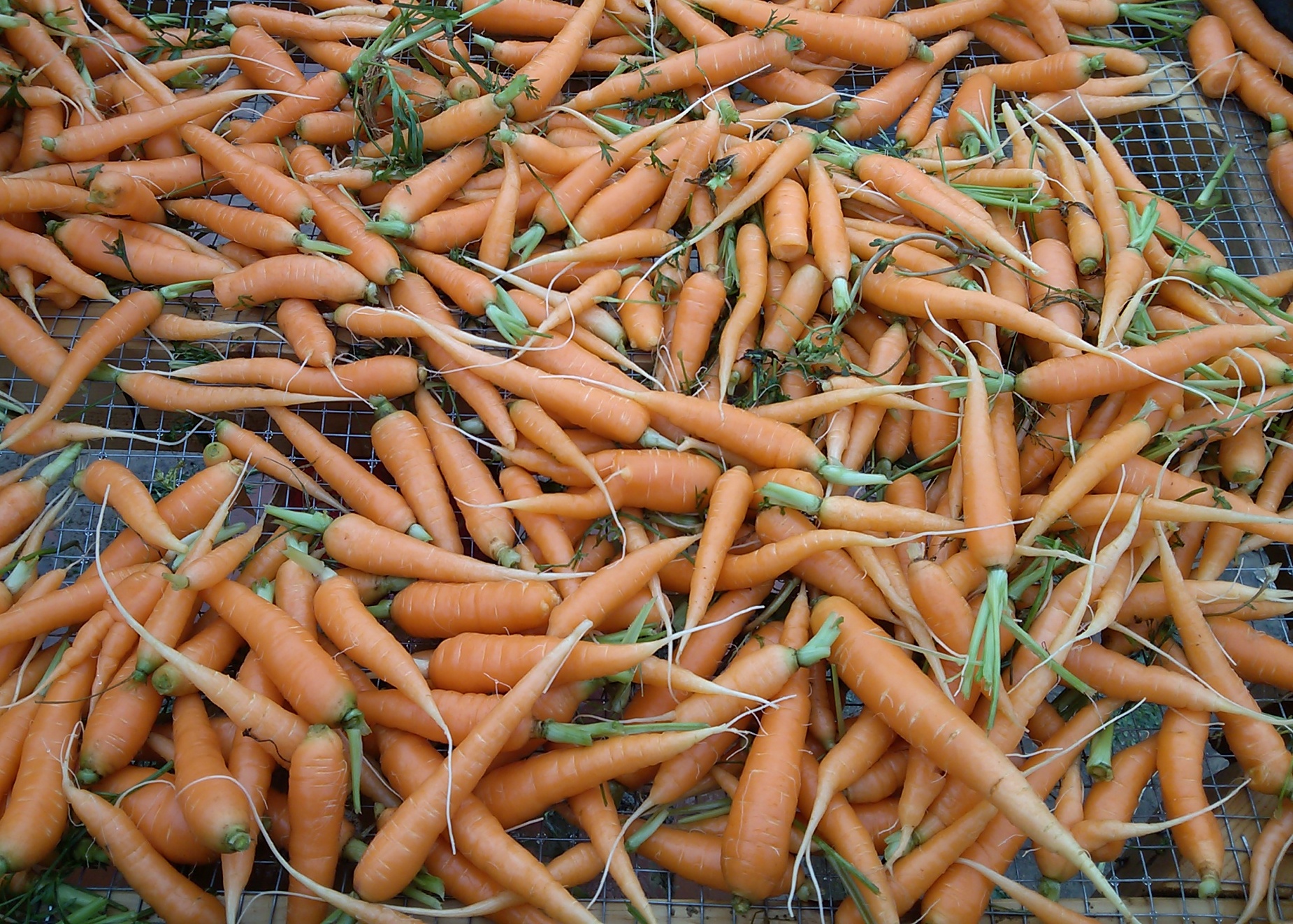
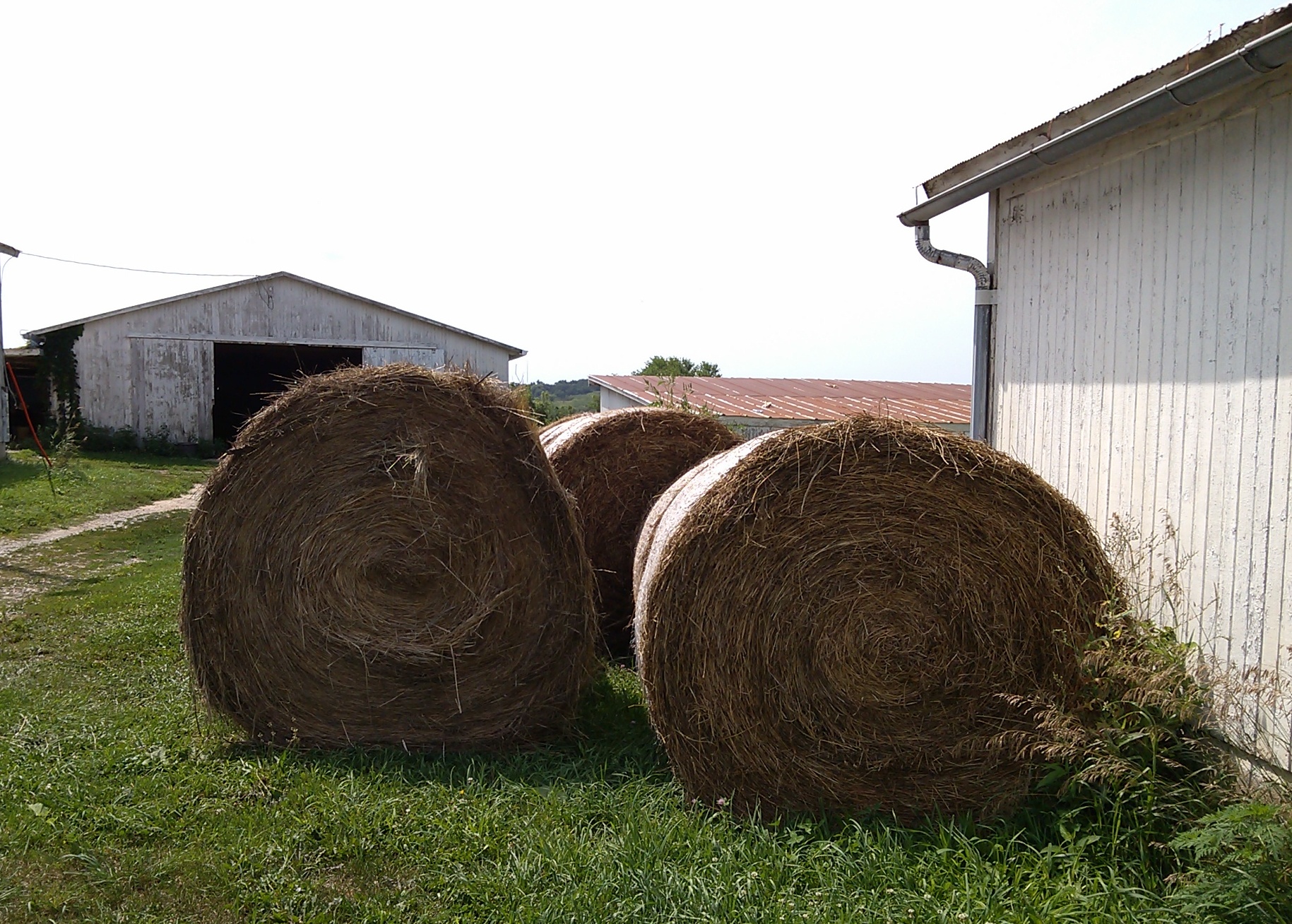
RURAL SOLON— It was a blustery day at the two acre farm where work took me yesterday. Carrots to harvest, tomato cages to deconstruct and roll up, and irrigation line to find and remove to the roads for later pickup. It was cold to the bone.
My time in the military prepared me for days like this. The key is to focus on the work and the cold will take care of itself, falling neatly into the background. Once one accepts there is no place to go to get warm, and nothing to do but the work, life doesn’t seem so bad and neither does the cold.
It was recently reported that September was the 343rd consecutive month of above average global temperatures. No surprise there, and October will be the 344th. What I would rather see is a tally of the actions people take, on a daily basis, to reduce their carbon footprint. That and a measurement of the aggregate impact it has on global warming. We would do better to collect our progress and see how we are doing than tick off the number of months of doom.
Working in a sustainable agriculture operation is said to help solve the climate crisis. According to Wikipedia, sustainable agriculture is the act of farming using principles of ecology, the study of relationships between organisms and their environment. A couple of things seem most important. Sustainable agriculture is site-specific. What one farmer does on his/her land may last over the long term to satisfy human food and fiber needs, sustain the economic viability of farm operations, and enhance the quality of life for farmers and society as a whole. It is hard to find fault with this, and the connection to the climate crisis is clear.
Where it gets sticky is that as the environment changes, so too do the organisms encountered on a parcel of land. This suggests that the work of adaptation is never really complete in sustainable agriculture. Most farmers I know are engaged in a process of constant experimentation to determine what does and doesn’t work to solve ecological problems. What is worrisome is they seldom, if ever, talk in terms of adaptation to climate change, even if that is what sustainable agriculture represents at its core. Note to self: initiate this conversation.
After noon, the two of us harvesting carrots and working in the field were called to the barn for lunch. Grilled cheese sandwiches, vegetable soup and sweet carrot bread for desert. Much better than restaurant fare, and an unexpected perquisite to break the cold. Not to mention the conversation about the fall share, and our hopes, dreams and experiences. Brief and pleasant interval in another day’s work in our ever changing environment.
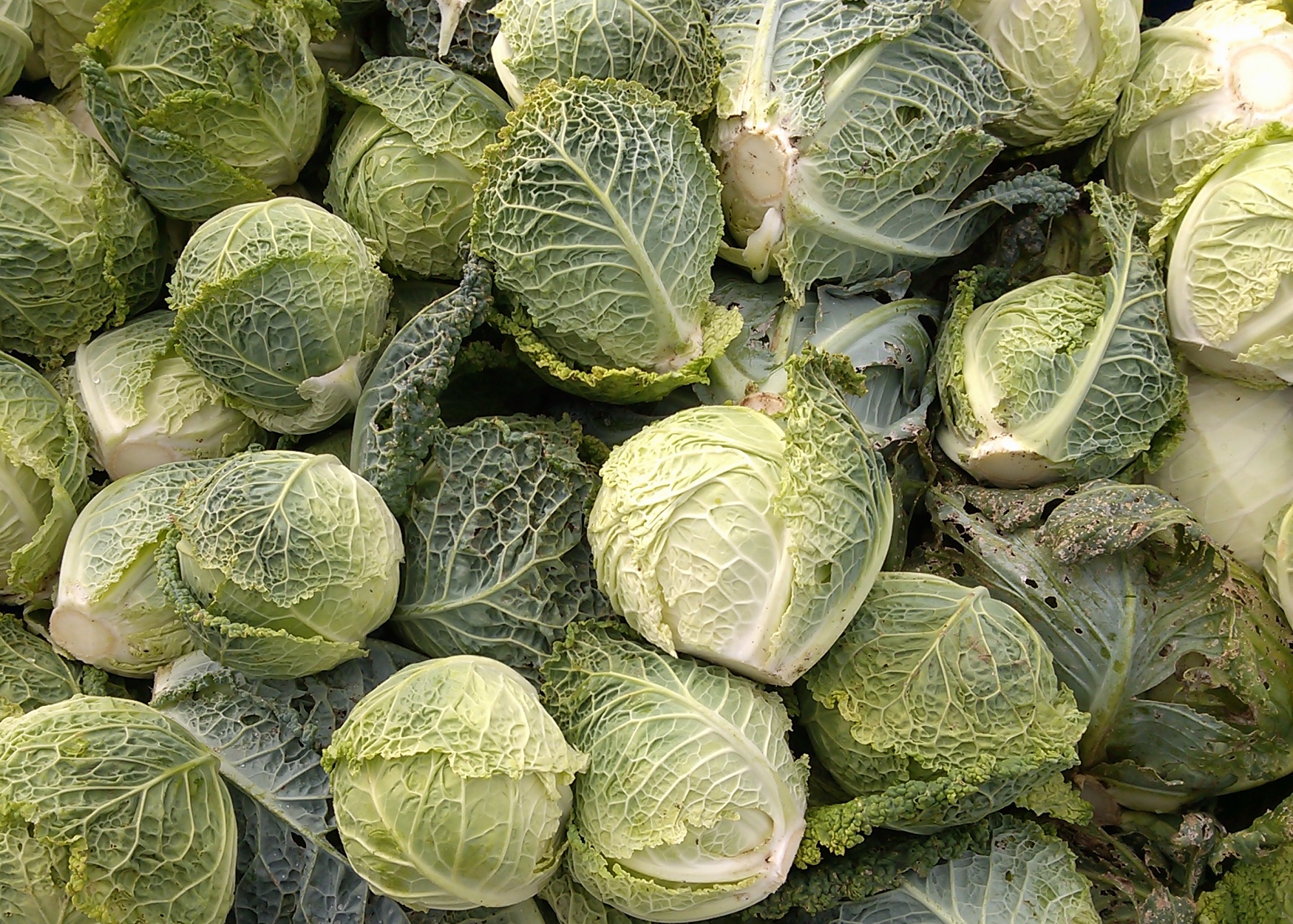
LAKE MACBRIDE— On Friday we diverted from planting in the high tunnel to harvesting cabbage at another farm: 400 heads of cabbage in 80 minutes plus travel and storage time. Frost is coming, and we need the cabbage for the fall shares. As we used to say as union workers in the meat packing plant, “it all pays the same.”
Actually, farm work doesn’t all pay the same. There is a complex web of reliance among farmers, and when one needs something, another reaches out to help, making a deposit in the relationship bank. Who knows when we may need to make a withdrawal?
There is a frost advisory Sunday morning from 1 until 8 a.m. Whatever plants need saving should be covered with the worn sheets kept for that purpose. Mostly, it is the leafy green vegetables and the pepper plants, since the tomatoes are done. Gleaning plot #3, and harvesting is on today’s agenda, so whatever might get bitten by tomorrow’s frost will come in. That is, except the greens, which will continue growing outside until the last minute.
The days are getting shorter, and attention turns toward inside work. There is a lot to be done before the end of the year. When isn’t there?
LAKE MACBRIDE— Being fully engaged at work is important. Without it, things start to slip. We get distracted, our morale slumps, and the benefits of a job are reduced to working for wages in a way close to enslavement. It’s better for us and for our employer when workers are fully engaged. This is not new. The idea of worker engagement as a business management concept developed during the early 20th Century.
In our local food system, the work requires full engagement. The size of the operation and community in which we live is such that if we don’t do something, or if we cut corners, the impact would have tangible results. If customers see an inferior vegetable selection in their weekly share, they have options. Their business could be lost the following season. If one person fails to turn off the irrigation, someone else must do it because some farm jobs have to get done. The need for worker engagement exists at every small business. It helps build the sense of being part of a team, which adds to the value of the enterprise.
If willingness to align worker interests with those of a business is important, there is a down side. Being fully engaged at work suppresses engagement in other things. In the case of seasonal or temporary work, worker engagement can use energy that should be spent finding work during the next season. As the author has experienced, lowly paid work at a number of companies can consume many hours during the week. The result can be feeling tired and worn out at the end of each day.
The better engagement is in our community. To the extent community life provides a means of economic support, we are better prepared to contribute and reinforce shared values. Worker engagement serves a purpose, yet broader engagement in the community of which we are a part is what we should be after. It is possible, but not easy.
Employment at a job has an arc of existence from getting hired until moving on to what’s next. There is always a what’s next, and the longer we are in the workforce, the better understood is the importance of full engagement. Experienced workers know we are the less if our focus has become the monetary income associated with our work.
As fall weather turns colder, and the garden activity is extended due to a late frost, the seasonal work for others comes to an end. It is a time to be thankful for community and the support it provides during the interregnum until the next paid work is found. It is a chance to re-engage in life for a while, and for that we can be thankful.
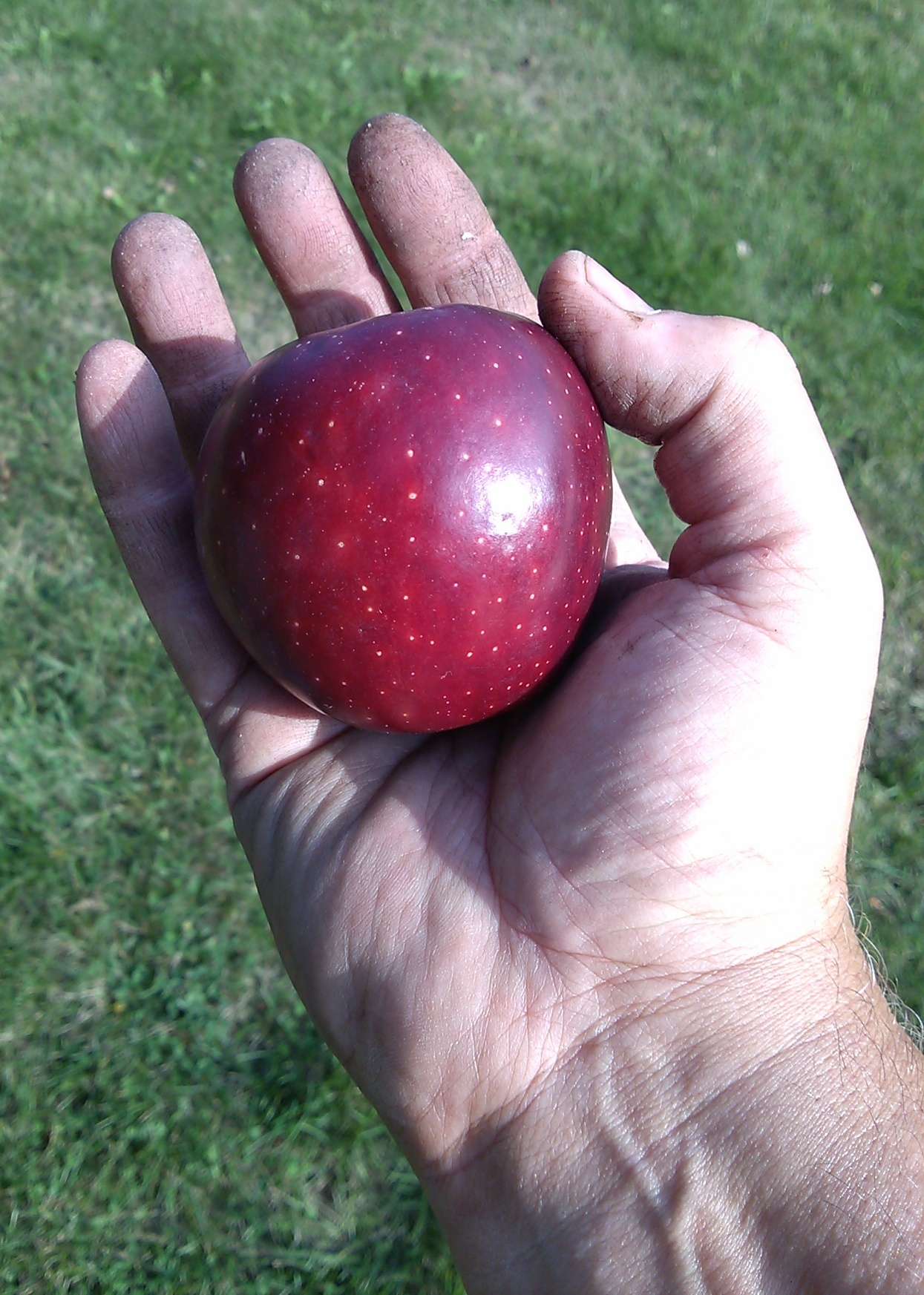
LAKE MACBRIDE— The sky was a dome of stars as the newspaper delivery truck made its way down the street. Outside to take the trash and recycling bins to the street for pickup, it was hard not to stop and gaze into the limitless space above. My clothing fit loosely from working low wage jobs this year, and the cool air found its way under the cotton knit and invigorated me, awakening possibilities. It lasted only a few moments, after which I grabbed an apple and ate it in Eve’s bower— forbidden fruit no more. The stuff of dreams and hope.
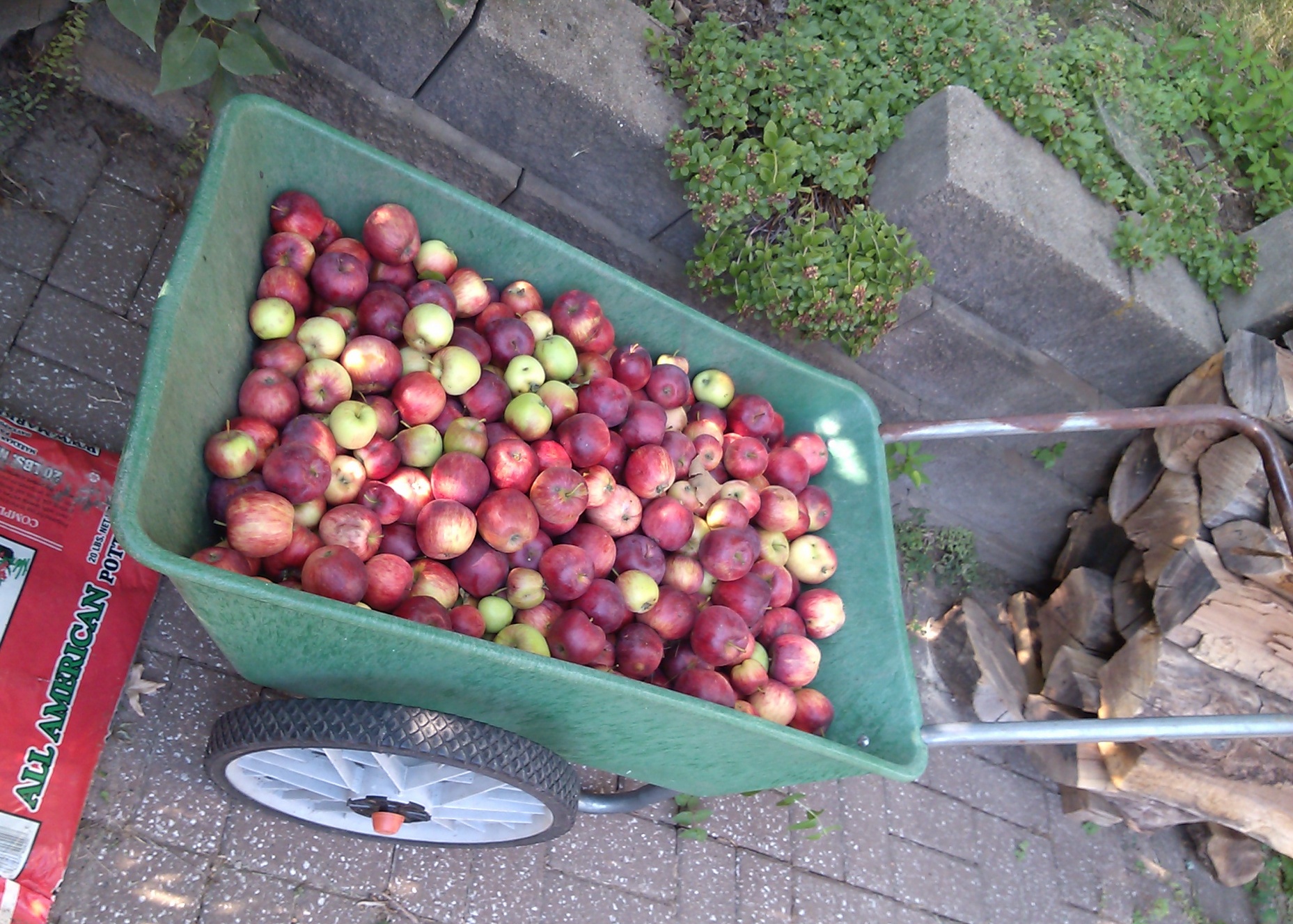
The remaining apples fall into five categories. A bowl of Cortland for apple crisp later today, a bushel of apples collected after the Sept. 19 storm blew them from the tree for apple sauce, a bin of the best apples for out of hand eating, and another bin of less perfect apples from the final pick, for a variety of purposes. A lot of the lesser Golden Delicious apples on the tree. They are available, but one suspects they will end up food for wild animals and insects, or as compost. The end of this year’s apple season is in view.
The plan for today is more chainsaw work in the yard. At least two more eight hour shifts will be required to finish cleaning up the fallen branches. A contractor is stopping by to estimate the roof repair from the Sept. 19 storm. The plan is to harvest the turnip greens and make soup stock, and finish gleaning the first garden patch, maybe the second. All of this is subsistence work, unpaid except that there is a buyer for the firewood I make, and food for our table.
As dawn begins to break, it’s time to leave the comforting glow of the computer screen and get to work. Just a few more keystrokes, and then off into the garden, seeking life, and redemption.
LAKE MACBRIDE— There was a time when wearing a suit to work was de rigueur. While commuting to the Chicago loop I wore and wore out countless suits purchased to fit into the corporate culture of 200 East Randolph Street, the Illinois Center and the Prudential building. Those days are over. Silk ties hang on a rack in the back of the closet, lined up behind woven plaid shirts purchased long ago. There are only one or two decent dress shirts on hangers until a funeral or formal presentation wants the attire.
My work clothes on the farm have become blue jeans, a T-shirt and a pair of Justin boots purchased while working in west Texas. No collar, indicating the meaninglessness of so-called blue or white collared work. Most of the people I know in the local food system are either working on a degree, have a bachelors, or have done postgraduate work and have a masters or doctorate. Some wear collars, and some do not. Clothing is functional and long lasting if it is anything— less a symbol of an arbitrary status or social class.
While writing, it’s the same attire, sans shoes with white socks. After buying cheap tube socks for decades, I switched to a heavy cotton sock purported to be for wearing with steel-toed shoes. They are deluxe. The cost of one of my Chicago suits could have purchased a lot of them.
LAKE MACBRIDE— After arriving at the farm, I took this photo and headed to the high tunnel to plant lettuce. The western sky was illuminated by the sun, a harbinger of rain, which came, along with lightning and thunder, within the hour. I continued planting while the drops pattered against the heavy gauge plastic and nature’s light show played in the distance. We need rain, but not much fell. There are only three more weeks in the CSA and already we are preparing the farm for winter.
Part of the work was setting up irrigation in the high tunnel, repairing the drip line where it leaked and making sure it aligned closely to the rows of newly planted seedlings. It is more time consuming than one would think. When people depend on a vegetable crop, there is no choice but to irrigate when drought comes. It is difficult to budget for the extra labor of irrigation— one more uncertainty in the life of a farmer.
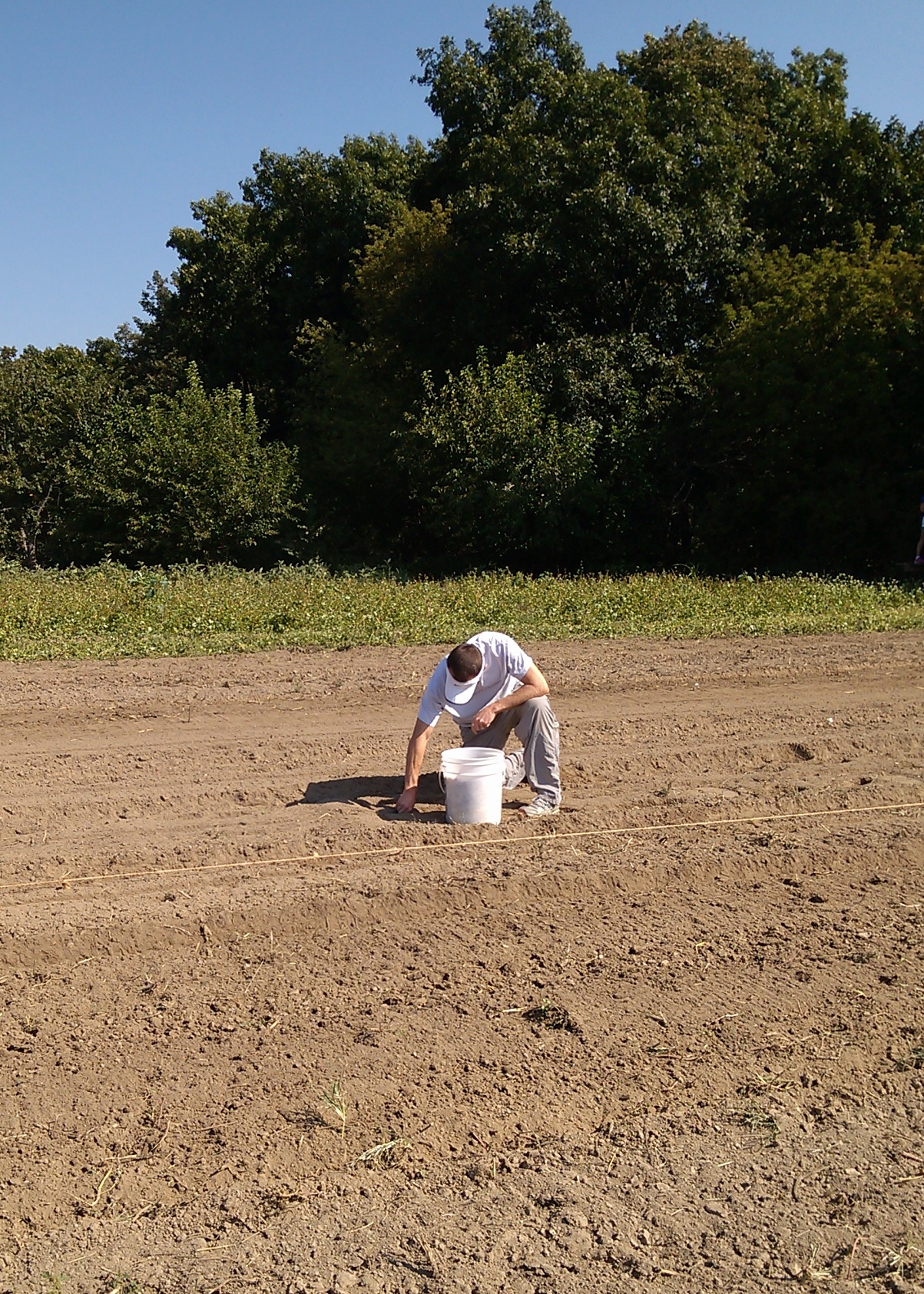
Using a margin trowel, I dug five or six holes in a row and then planted seedlings, covering each over the top of the soil block. By the end of the day, my shoulder was sore, so one flat remained from the job— perhaps tomorrow on that one.
There was a sense of connection today. Not only to the cycle of planting and harvest, but to everyone else. While I may have been alone, the presence of everyone I have known was with me. It’s hard to explain, but being protected from the storm in the high tunnel was part of it as I labored in the field of an indeterminate future— hopefully one with lettuce.
CEDAR RAPIDS— A friend is saying her long goodbyes to Iowa before moving to Florida, so I broke from the tomato canning extravaganza to have coffee with her at a shop in Cedar Rapids. We exchanged gifts. I brought summer squash, cabbage, tomatoes and other produce. She brought an arrangement of Hydrangea for my spouse. We had just an hour before I had to leave for the farm, so we were concise, something that can often be difficult among people of a certain age with much in common.
We covered a lot of ground, including her recent attendance at the Democracy Convention in Madison, Wis. However, the substance of our chat was the systemic dismantling of the union movement in our post Reagan world, coupled with the decreasing relevance of today’s union leaders. That’s a mouthful, but the upshot is that corporations have been working hard to reduce labor costs and shed union contracts. The result for our generation has been a large cohort of middle aged managers and specialists whose positions have been systematically eliminated through outsourcing, reorganization, or the work of human resources consultants like Towers Perrin and Hay Group. What’s a person to do?
For a long time, I chased the available labor from downsizing and off-shoring, hoping to find over the road truck drivers. The idea was that as long term factory workers, they would possess behavior that was stable and well suited to the boredom and long hours a truck driver’s job entailed. What I found was people who would do almost anything to preserve their way of life, get their children through high school and continue living in the community they worked so hard to create. During those years from 1987 until 1993, I had some of the toughest conversations of my life, with people who were desperate to go on living and had the rug pulled out from under them so workers in Mexico, and later China and South Korea, could manufacture the appliances, auto parts and other goods they made for so many years.
A return of unions in private companies seems unlikely, mostly because workers who will accept less than a living wage dominate the unskilled labor pool. There is no shortage of people who will work for an hourly wage around $9 per hour. In some communities, like Minneapolis-Saint Paul, Minn., service industry companies have included minimum wage labor availability assessments in their expansion plans, and it has not been a substantial constraint. There are plenty of people willing to work in the unskilled market, which is what most non-professional jobs are.
When a person takes a job, there are inherent compromises. For a while, I supervised fuel purchasing where our company spent more than $25 million per year. Knowing what we know about the impact of CO2 emissions in the atmosphere, burning fossil fuels in heavy trucks contributes to global warming. I also knew that if I didn’t want the job, someone else would. This created an institutional bent toward doing things we know are wrong despite our self-consciousness about the behavior.
Politicians say they want to help create jobs, but during our conversation, we were not so sure. What people want is to live with economic security and the promise of American life. Few, if any corporations have that in mind when they lay out a business plan. What’s most important is maximizing return on investment, and that includes laying off highly paid, long-term employees, then hiring two low-wage workers for the same money. I’m not complaining. I’m just sayin’ that’s the way it is. And how progress will continue in our turbulent world.
LAKE MACBRIDE— Part of yesterday was clearing the dead and dying squash plants from the garden and planting turnips and transplanting butternut squash seedlings. It is dicey as to whether the squash will produce because of the timing of first frost compared to the 110 day growing cycle. Too, the abundance of squash beetles have nowhere to go without the zucchini and yellow squash plants, so even though they had not found the seedlings this morning, one suspects they will visit and if they like it, attempt to stay.
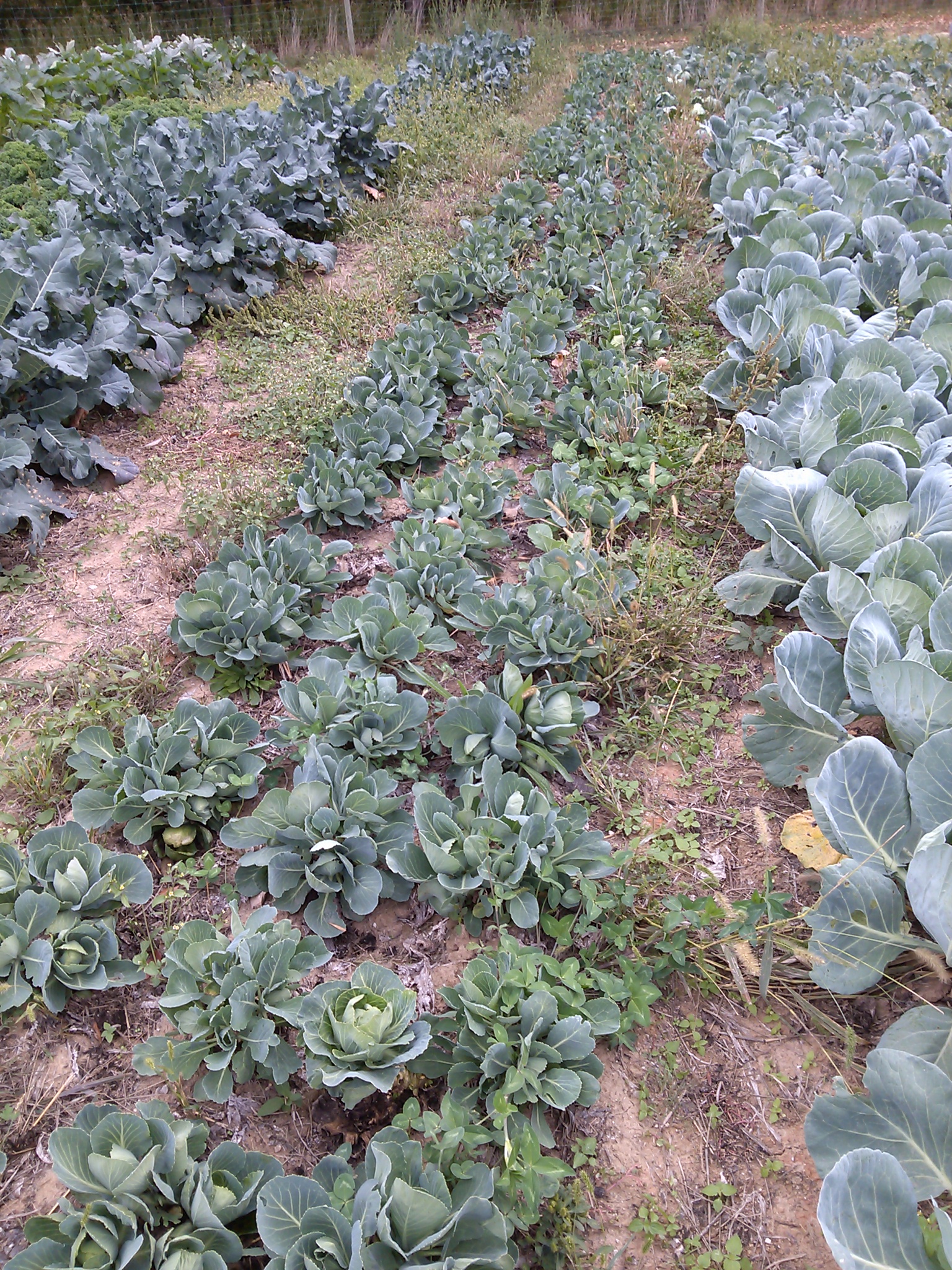
In that plot, the Brussels sprouts are thriving, as are the three kinds of peppers, Swiss chard and collards. This is the most bountiful year of gardening we’ve had.
In the cool downstairs await six bins of tomatoes and two of broccoli for processing. This is part of a work for food arrangement with a local organic grower. Combine it with the approaching and massive apple harvest and there will be plenty of work to do.
Yesterday I planted three trays of seedlings: lettuce, kale, broccoli, kohlrabi and squash. There is plenty of time left during the growing season for these crops to mature, and I am particularly hopeful about new cucumbers for pickling.
As summer races toward Labor Day and October frost, there is much to be done in the garden and in life. We have to eat to live, and because of this summer of local food, there will be no shortage there. It’s enough to sustain a life on the Iowa prairie, at least for a while.
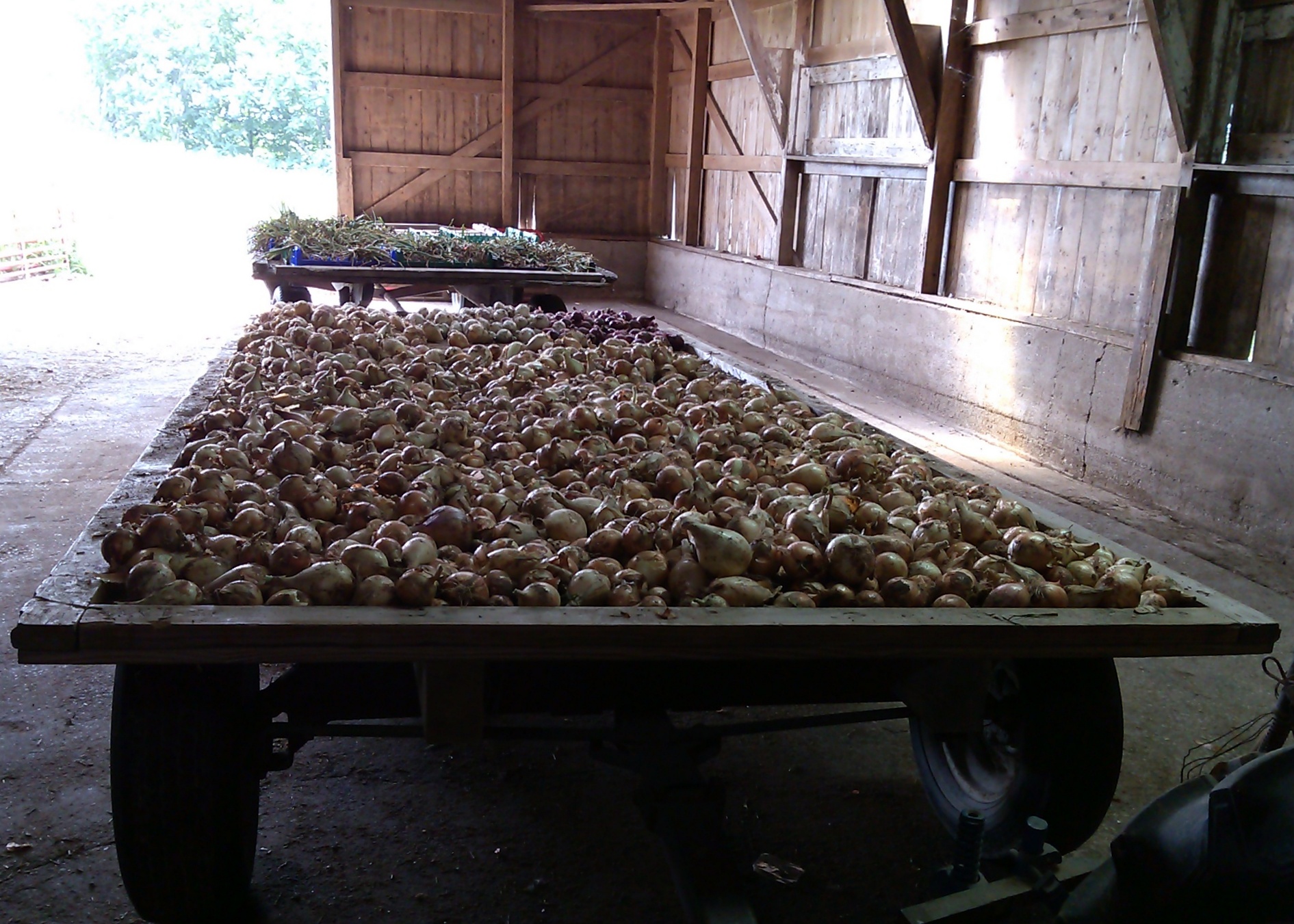
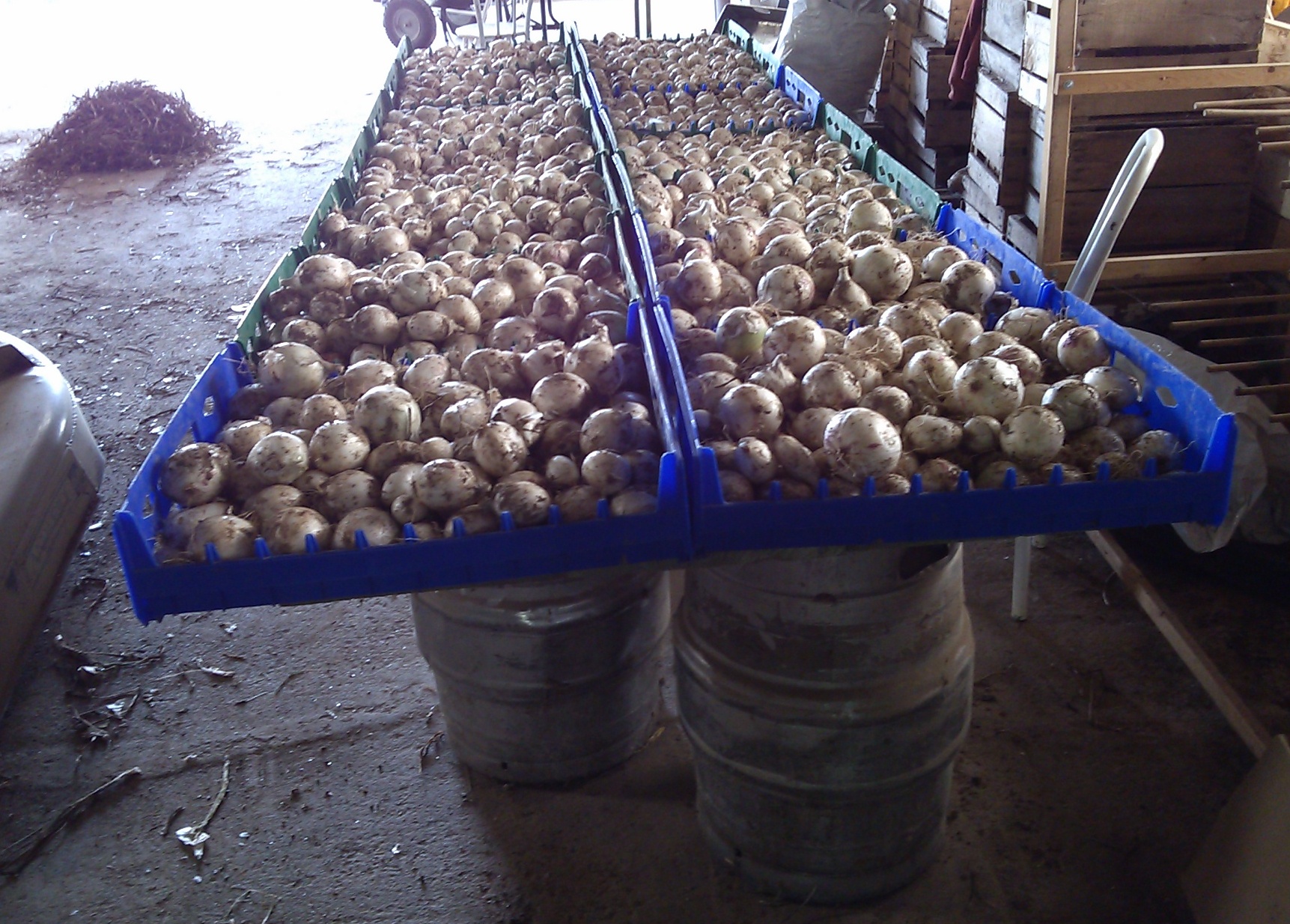
RURAL CEDAR TOWNSHIP— The onion harvest is in at the CSA, and more than two tons of white, red and yellow onions have been arranged in the germination house and barn to dry. Today begins the third day of trimming the excess leaves and arrange them for further drying. A few more four hour shifts and the project will be complete. Onions are one of the most popular vegetables, so the shareholders at the CSA will enjoy continuing to receive this bounty in their shares.
Trimming Onions
I filled the blank spaces in my garden’s cucumber row yesterday afternoon and gave the new patch a good watering. The zucchini are about done, the vines withering and yellowed. Same with yellow squash. There are butternut squash seedlings to plant, although I’m not certain they will make the 90-100 day window needed to mature— another experiment. Next weekend I begin paying work at a local orchard, helping with the weekend surge of city dwellers who come out for family entertainment and apples. That means this weekend will become a working time in the yard and garden, getting caught up on weeding, grass mowing, tree trimming, and preparing garden plots for the next iteration of planting.
White Onions
Fall crops will include turnips for the greens, radishes, lettuce and spinach for sure, adding to the most prolific of gardening years here in Big Grove. (Note to self: prepare more trays for germinating seeds).
My first crop of apples is getting close to ripe (there will be two harvests this year, plus pears), which means the CSA operator and I have to stay in touch with the work for tomatoes project so everything can get processed as it comes in at the same time. In my garden, the large tomatoes are beginning to ripen. We’ve been eating fresh tomatoes for about three weeks.
In the kitchen the storage space is filling up with onions, potatoes and apples, and the soup stock is getting used, making room for the approaching tomato harvest in a week or so. There is a lot to do before Labor Day.




 Journey Home
You must be logged in to post a comment.