Categories
Living in Society

Picking An Auditor

Big Grove Precinct Polling Place Nov. 5, 2019

Before I concentrate volunteer political work on the general election, our county auditor resigned unexpectedly due to illness. I am a delegate to the special convention for Democrats to pick a nominee for the November ballot. Four candidates approached me to say they were running. This post reprints their announcement email where one exists. I want to get this information out there, so I am running it as is without analysis.

First to contact me was Royceann Porter on July 30 via telephone. I know Royceann from promoting her campaign for county supervisor. She said she meets the qualifications, which include a high school diploma. She cited her five years on the county board of supervisors as related experience. I supported her in the special election, and in her re-election. I told her I would give her fair consideration. UPDATE: Porter telephoned me on August 18 to say she was ending her campaign and endorsed Julie Persons.

Next to contact me on July 31 was Julie Persons. I know Julie from working to elect House District 91 candidates. I like her personally and the story about Julie becoming mayor of Swisher speaks to her devotion to public service. Here is the unedited email she sent:

Dear Johnson County Democrats:

My name is Julie Persons. I am the Mayor of Swisher, Public Relations Chair for the JC Dems, and a longtime private sector customer service professional. I am writing to let you know I am running for County Auditor and I would appreciate your vote.  

Many of you have gotten to know me over the past few years. I’ve walked alongside you in parades, sent you the weekly JC Dems newsletters, and consistently volunteered. In May of 2023, I was honored to receive the Johnson County Democrats Volunteer of the Year award. My experience with the Johnson County Democrats has been the most rewarding of my life. The friendships, support, laughter, and memories are invaluable to me. When you vote for me, you are voting for a true-blue Democrat who has paid her dues!

I am an Iowa native, originally from Davenport.  Like many of you, I came to Johnson County for college and stayed for the past 25 years.  I have lived in Iowa City, North Liberty, and the past eleven years as a Swisher resident. Professionally, I have two decades of leadership in customer service, a vital aspect of the Auditor’s Office. Having led several teams, I can seamlessly continue the office’s mission and invigorate the team with renewed energy.

Last year, the city of Swisher faced a vacancy in the mayorship. I assumed the responsibility for my town and accepted the position. Navigating this role (with the support of dedicated staff) has proven to be one of the most challenging and rewarding experiences of my career. Public service aligns perfectly with my passions. I am very proud of the things we have accomplished in Swisher under my leadership.

With nearly 160,000 Johnson County residents relying on this office, and the responsibilities include facilitating accessible and efficient voting, including satellite voting; managing the claims for the county; and maintaining the real estate records of the county.  My goals include ensuring the department is transparent for the public, and expanding voter accessibility through satellite voting locations and additional social media pushes.  Johnson County is a leader in voting in Iowa.  We should be proud of how we handle this critical role.  I truly believe the more information we can give to the citizens of Johnson County, the more successful we will be.

With your support we can elect the first female County Auditor in 48 years!  If you have any questions or comments, please reach out to me via email or phone 319-936-1603. Thank you and I hope to see you at the county convention.

Sincerely, Julie Persons

Alex Stanton emailed me on August 1. I don’t know Alex yet he telephoned to introduce himself. Here is the unedited email I received:

Hello, Johnson County Convention Delegate:

As a delegate, you have an important responsibility: Finding the Democratic nominee to replace Auditor  Travis Weipert on the General Election ballot. It’s deeply unfortunate that Travis’s health took away a job that he felt so passionately about, and I know how important continuing the great work undertaken by the Auditor’s Office during his tenure is to you, which is why I’m asking you to consider me, Alex Stanton, as the Democratic nominee for Auditor this fall. Let me tell you why.

I’ve had the honor of spending just over the last 6 years working at the Johnson Auditor’s Office under Travis’s leadership, first starting in Minutes & Publications before moving to my current role as Elections Technician III at the end of May 2018. During my time in the office, I have created ballots, overseen voting public equipment testing, helped our office navigate the logistics of voting during the Covid-19 pandemic, trained hundreds of pollworkers, coordinated the successful deployment of all voting equipment needed for elections ranging from 1-precinct Special Elections to 75,000+-voter turnout General Elections, AND served as Administrator for our Community ID program. I have been a steady hand that has carried and grown the proud tradition and sterling reputation of the Johnson County Auditor’s Office.

Beyond the basic nuts and bolts of making elections happen, I’ve also worked to build areas in the office that needed improvement, primarily in regards to communicating with our voters. That led me to build our “Johnson County Votes!” iconography, create a noticeable brand identity, and build our social media infrastructure to keep voters and candidates engaged and aware of elections and the work of our office. I’ve been honored to have county staff, the public, and other counties tell me how they appreciate our posts and even ask to steal them to help in their outreach efforts. I even worked with staff and smaller counties to create a Social Media Toolkit that we’ve shared across the state to help counties with less resources easily schedule ready-made posts to help their voters. I’m incredibly proud of my work in this area, but I know there’s even more we can do, including better targeted outreach to underrepresented communities and those exiting incarceration who want their rights restored.

I’ve also been incredibly privileged to earn the respect of Auditors and election offices statewide, and I am humbled they reach out to me to be a source of information. I have been one of the only non-Auditor or Deputy election staff members to be asked to lead training at State Election Administrator Training education courses – which I’ve done multiple times – as well as serving on the Iowa Precinct Atlas Consortium, which crafts the strategic vision for an epollbook system used by over 80 Iowa counties as well as tests any updates for compliance with Iowa law. My hard work, knowledge, and passion for elections and the work of Auditor’s Office has made me a trusted name across the state, and I am running to keep the growth and leadership we’ve seen from Travis going by using what I’ve learned both from him and from the other election leaders I’ve met both in Iowa and across the country. I am so happy to announce that my trust statewide has already earned me the endorsements of Black Hawk County Democratic nominee for Auditor, Karen Showalter, Democrtatic Dubque County Aduitor Kevin Dragotto, and Democratic Clinton County Auditor and 2022 Lieutenant Governor candidate, Eric Van Lancker.

A little about me personally: I’m a lifelong Iowan who has lived in Johnson County for the last 15 years. I’ve been married to my wife, Christina, for 10 years and have 2 kids, ages 6 and 2. I’m a 2021-2022 Graduate of the Greater Iowa City Community Leadership Program, and I’ve served on the City of Iowa City Parks and Recreation Committee since August 2023. I interned with the Obama campaign and the Iowa Senate Democratic Research staff, as well as served as a Central Committee member for the Marion and Johnson County Democratic Parties. I have previously worked at United Way of Johnson & Washington Counties and spent almost 4 years at Shelter House. I love this community, and it has given so much to myself and my family. I’m ready to give back, and I hope you’ll join and vote for me at the Convention on August 24th.

If you want to learn more about me, you can visit my campaign Facebook at Facebook.com/stantonforcountyauditor, give me a call or text at (641)218-4594, or email me at stantonforcountyauditor@gmail.com

Thank you for your consideration,

Alex Stanton

Finally, Shannon Patrick emailed me on August 5. State Representative Elinor Levin telephoned on August 7 to endorse Shannon for county auditor. Elinor and I see each other often at party events and I like her personally and as a legislator. I haven’t met Patrick. Here is his unedited email.

Dear Paul,

I am writing to introduce myself to you, to ask you to attend the Johnson County special nominating convention on Saturday, August 24th at 9:00 a.m. at Liberty High, and to support my nomination there.

I am Shannon Patrick, and I am seeking the Democratic nomination for Johnson County auditor. I am doing so because I have a long-time dedication to preserving and expanding voting rights, and my combination of professional and community experience are uniquely suited for this office.

You may recognize my name from my prior work with the JC Democrats, from candidate forums and other League of Women Voters events, or from the monthly Press-Citizen column that I write with my amazing wife, Kelcey Patrick-Ferree. Professionally, I work in IT management and currently oversee the team that is responsible for updating, maintaining, and correctly using the University of Iowa’s donor and alumni database.

Before I say more about me, these are what my priorities would be as auditor.

  • Keep making voting easier and more secure. Continuing drive-through-voting. Improve the quality of our voter data so that voters know where to go and have fewer issues at the polls. Develop a communications strategy. Make voting easier outside of Iowa City.
  • Prepare the office for 21st century threats. Hacking, ransomware, foreign interference, and disinformation campaigns pose real risks to our elections, and the auditor will be responsible for making sure that we have plans for them. 
  • Work with local organizations to improve voter turnout. Recent state laws mean that the auditor’s office needs a different approach to promoting voting. The auditor needs to rely more on local partners. Unless our state government changes, Johnson County will be under a microscope, and we need to do this right.
  • Staffing and operations. Make sure that interacting with the auditor’s office keeps getting easier. Keep up with technology so that staff grow and do more meaningful work each year. Ensure that taxpayer money is spent as effectively as possible. Make the Auditor’s Office a place where staff want to stay and do their best work.

Why do I think I can do all that? 

First, I have worked in data and data management for 20 years. I am experienced at managing multiple teams, growing and developing staff, and leading efforts to continually improve teams and processes. I would bring a unique combination of knowledge, tools, and best practices to the auditor’s office.

But I know that this isn’t just a technical role. A truly successful auditor also needs strong community partnerships. I have served on platform committee, chaired the lively IC10 precinct caucus of 2020, and volunteered with the Eastside Dems. I have served as the treasurer of the state League of Women Voters and as the Advocacy Chair of the Johnson County League board. I also have ties to groups like the Interfaith Alliance, the South District Neighborhood Association, and other local nonprofits and activist groups. I’m known in the community and am prepared to continue my voting rights work as auditor.

What’s more, in my advocacy work for the League, I had a special focus on voting, elections, and good governance. For example, I helped lead a group that worked with partner organizations throughout Iowa to generate, obtain signatures for, and present a statewide petition opposing Iowa’s 2021 anti-voter law. I spoke in the Rotunda at the Capitol and presented the petition to the legislative leaders’ offices. My role with the League has involved following, lobbying about, understanding, and communicating changes in election laws to voters throughout Iowa.

In short, I have the combination of experience and outreach that will continue and expand the successes of the auditor’s office.

Will you support my nomination?

If you have questions, please do not hesitate to reply to this email or to contact me at (319) 382-6568. I look forward to seeing you at the special convention.

Sincerely, Shannon Patrick

I do plan to attend the special convention. I may (or may not) post my analysis of this race. Comments welcome.

Categories
Living in Society

It’s Go Time

It’s go time! Tonight’s virtual Iowa kickoff for the Harris for President campaign will be bigger than the Democratic State Convention. Her candidacy sparked a change in attitude, a change in possibilities, and the beginning of a short, tough campaign to elect her as president. Click on this link to join at 7 p.m. tonight.

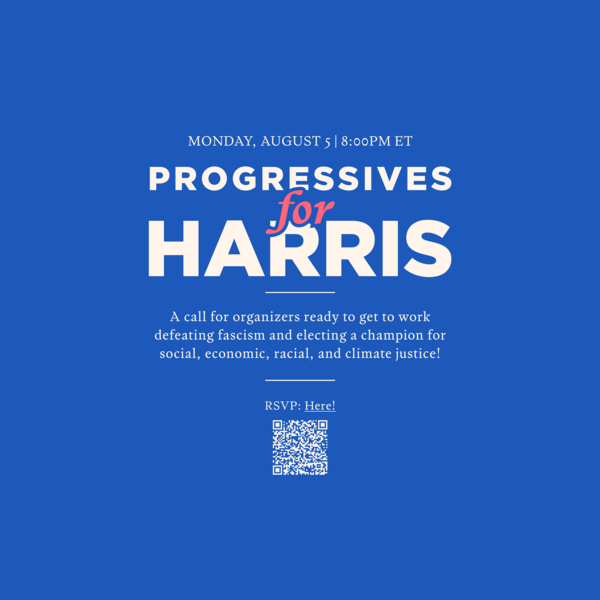
Not from Iowa? Progressives for Harris are hosting a separate event with some of our favorite progressive legislators tonight at the same time. Click on this link to join Progressives for Harris.

It’s time to figure out how we elect Kamala Harris President as well as down-ballot Democrats. It’s go time!

Categories
Living in Society

News Heading Into November

Photo by brotiN biswaS on Pexels.com

The weeks remaining until the Nov. 5 general election are likely to be a stemwinder. If not careful, we could fall under the spell of the 24/7 news machine whose stories circulate frequently in our news world and are often out of touch with our communities. It could be easy to get caught up in the excitement without substantially contributing to the Democratic election effort.

Meta’s new social media platform Threads asserts they do not promote political news on their platform. Specifically, they say, “we won’t proactively recommend content about politics on recommendation surfaces across Instagram and Threads.” To get your political content on Threads, follow accounts with the kind of information you seek. This seems like a net positive. We should all be pro-actively curating the feeds of our social media accounts.

What should a progressive do regarding news?

Find a small group of close friends with whom you can discuss news and what it means. I have multiple groups like this and they provide consistency and sanity in a turbulent news environment which includes generous doses of disinformation and misinformation. Some of us in the groups have weathered many political campaigns together and that base of experience is useful in interpreting events in this year’s campaign. We aren’t always right about things yet we are less often wrong. We can usually tell what story is full of malarkey and what isn’t.

Connect directly with campaigns if you can: the further down the hierarchy the better. Essential to having a meaningful presence in the Iowa State Capitol is electing more Democratic Senators and Representatives. They have a different task from Kamala Harris and U.S. House candidates in getting their names known in a district. They also need to know a larger percent of the electorate personally. Their on the ground perspective from voters provides information in a way like no other. What is heard at the doors while knocking for a state house candidate is news gold in the currency of a campaign.

There is a role for breaking news from traditional news outlets. I subscribe to the Washington Post, but pick your major news outlet. When a major story breaks, like the prisoner exchange with Russia last week, they can quickly deploy a large team of journalists to gather information on the story. When I hear something is going on, I go to the website and see if they are reporting anything. Breaking news is never perfect, far from it. It is a way to bring relevant stuff on our radar for monitoring.

The distinction between social media and email in news gathering is significant. Email can have a much broader reach than social media. For outbound messaging it is clear. I recently attended my high school class reunion. The planning committee wanted to distribute and make available photos taken at the event on a web page. We posted the link on our Facebook group with 91 members and sent it via email to 100 email addresses. By far, the emailed link got more views, by a factor of 1.7:1. For inbound messaging there is even a stronger case.

I wrote previously, “Some journalists found a way to make a living outside the world of newspapers. It is increasingly clear that with the rise of potentially profitable podcasts, substacks, YouTube channels, and the like, there is more money to be made in these new entities than in writing for a newspaper. There are important essays to read in this fragmented news media, yet our formal news environment is the worse for these one-off entrepreneurial enterprises.” I subscribe to specific journalist substacks with the benefit of receiving news analysis that goes beyond what one might find in a social media feed. By following a specific author, I gain insight into their world view by seeing how they report on different topics.

So what am I saying?

Get news from actual humans. Activate your network of friends to evaluate the news environment: have a place to go to discuss the news. Join a state house campaign and talk to voters in that context to know what is news at the grassroots level. Curate your social media feeds to produce the kind of news that is of value to you. Learn which journalists are doing straight up reporting and analysis and which are ideologues. Follow the former. Subscribe to at least one major news outlet plus a local one if it’s any good. Read some of those hundreds of daily emails in your inbox for the news content. Know which ones are valuable and unsubscribe from the laggards. Be open minded yet skeptical. Use your personal network to root out disinformation and misinformation.

May sound like a lot to do, yet I predict you will be more effective and happier if you can manage these things. Obviously, keep reading Journey Home

Categories
Living in Society

Working In Our Community

Rural Polling Place

Congresswoman Elissa Slotkin (D-Michigan) said this week, “I really encourage you to think about what you can do in your community.” She was talking about supporting Kamala Harris for president. I find her statement significant because of the inward-turning focus on things we can each do to turn out voters for our candidates.

During the last two years, I wrote repeatedly that traditional voter activation methods don’t bring the rewards they once did. It is comforting to work in a campaign office, knock on doors, make phone calls, write postcards, attend fund raisers, and the like. As we embrace such comfort, we can also walk away from the people we may most likely influence in our personal social circles. Traditional activities don’t apply the same way in rural communities like in Michigan or Iowa where there are a lot of them. It simply takes more time to door knock rural voters. Time that could be spent more productively.

Certainly if a person feels comfortable letting someone else design a campaign’s work, and you get along with staff and other volunteers, go for it! Most campaigns do good work, and they have trouble covering their assigned turf. Similarly, state legislature candidates work in a different universe than a county, U.S. House district, or statewide campaign. Joining a specific state legislative campaign brings a different focus to the work. By their nature, they require a broader appeal and a focus on which no party and Republican Party voters can be persuaded to vote for them. Voters usually can get to know the candidate personally.

While there is no longer a coordinated campaign in Iowa, those organizations did a marginal job of covering the bases all the way down the ballot. It has always been incumbent on state house candidates to track their own activities and results unless their district is a densely populated urban area. This speaks to the difference between working a campaign and winning an election. The latter is most important.

The Democratic Party offers structure and training for people to work more on their own. I recommend people wanting a do-it-yourself, individual path to helping elect Democrats check out the training portal, located here. What I am finding is the Reach application helps me post on social media in a meaningful way. The Discord server is wild but still has a lot of Democrats united in purpose. The automated reminders get a little annoying, yet they serve to keep me on track. This is perfect for people who have trouble traveling to the local campaign office, work outside the home, or have child or elder care responsibilities at home. Life is what you make it, and many of us have an independent streak in us. This is a sanctioned and positive way to get involved.

What can we do in our communities to elect Kamala Harris and down ballot Democrats? Answering the question starts with taking a moment to analyze how we fit into society. So do it. Don’t take too long as the counter shows less than 98 days until the election.

Categories
Living in Society

It’s Been A Week Since Biden Endorsed Harris

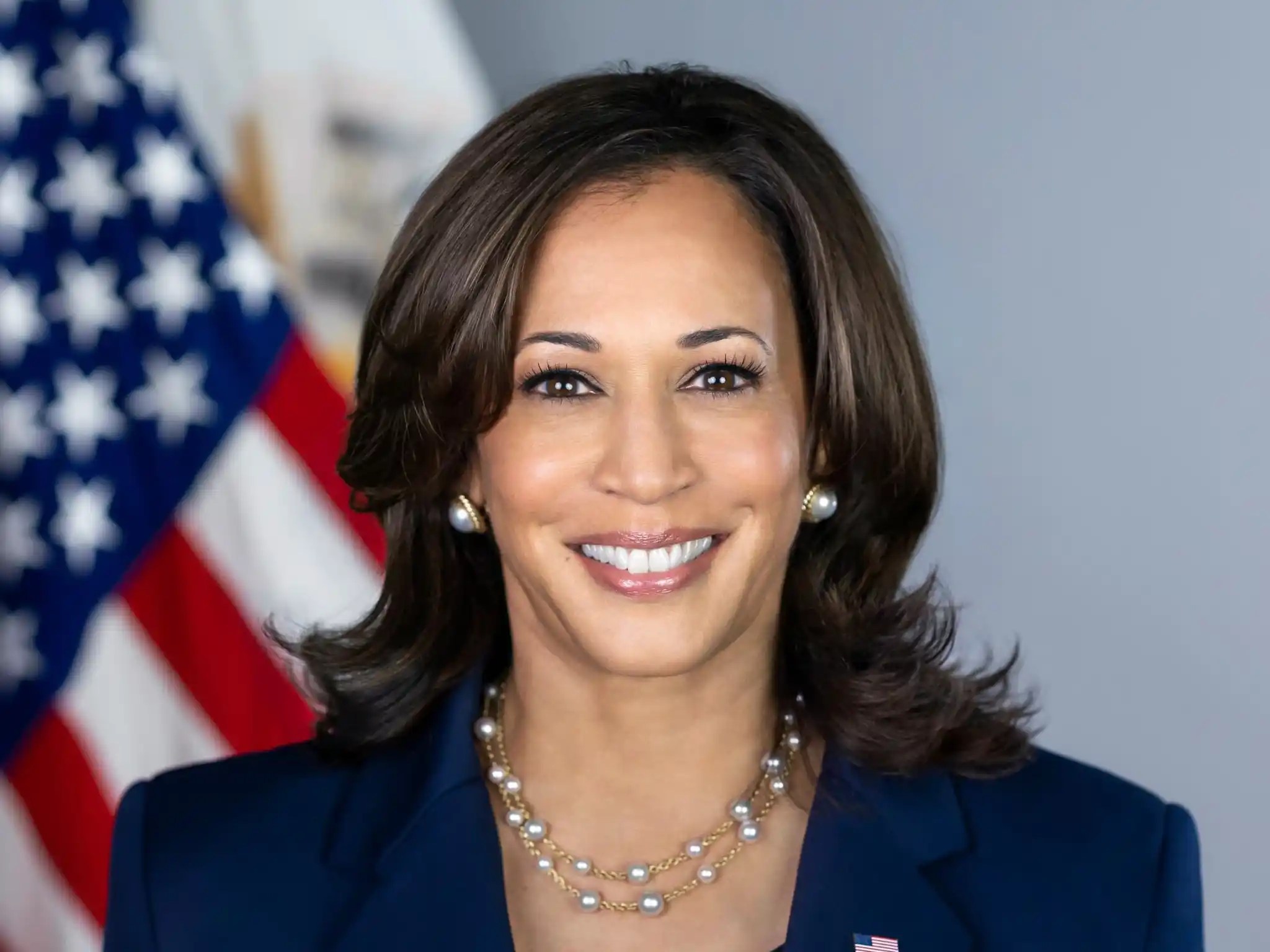
Vice President Kamala Harris. Photo Credit – White House Official Portrait

The week since President Joe Biden announced he would not accept the nomination for president has been a roller coaster. From the immediate relief and hope of people glad Biden stepped aside, to the backlash of right wing politicians, emotions have run a gamut. When the 45th president spent time at a Friday campaign rally calling Kamala Harris “liberal” and claiming that “Democrats replacing Biden on the ticket amounts to a ‘coup,’” we know our target was successfully engaged. Some sources report a polling surge for Harris: as many as six points in key states. A single poll is not definitive, yet it is a positive sign Harris’ elevation to the top place on the ballot is positive to many voters.

The less than 99 days remaining before the November election is not a lot of time. Republicans and their foreign backers are expected to make quick work of returning to the misogyny-laden campaign of 2016. While Kamala Harris arguably possesses more positive attributes than Hillary Clinton did — and less negative baggage — she will be the target using a playbook developed by the Trump campaign in the run up to the 2016 election. I wrote about this in a letter to the editor of Little Village Magazine.

A lot changed in political campaigns since I worked my first for Lyndon Johnson in 1964. Democrats and Republicans are now at a place where established patterns repeat each cycle: marching in parades, having a booth at the county fair, putting up sign advertising, and canvassing voters. These may be comforting, yet campaign action has moved.

Both major parties use big data to inform their campaigns.

Perhaps the most dramatic change was the way Trump campaigns used Facebook and Cambridge Analytica to scrape personal data about tens of millions of voters from the internet, and then custom target voters with tens of thousands of distinct daily ads designed to either persuade people to vote for Trump or not vote at all.

Progressive radio host Thom Hartmann wrote that on the day of the third presidential debate in October 2020, team Trump ran 175,000 variations of ads micro-targeting voters. These ads were, for the most part, not publicly seen.

This is way beyond showing up to meet candidates at a county fair.

Despite this use of technology, elections reduce to staying engaged with candidates, and working to cast an informed vote. That pressure from social media to disengage from politics? Someone is working to make us feel that way. We must resist and vote for who best serves our interests. (Letter to the Editor of Little Village Magazine, Paul Deaton, July 15, 2022).

There is a clear wave of support for Kamala Harris as she became the presumptive nominee. Donations to her campaign surged, as did the number of new volunteers. Republicans are already saying, just seven days in, that Harris won’t survive the boost in popularity, that it will be transient and gone before we know it. With less than 99 days until the election, we have little time for self-doubt. We must roll up our sleeves and get to work because so much is at stake in the November election.

Categories
Living in Society

New Way To Canvass

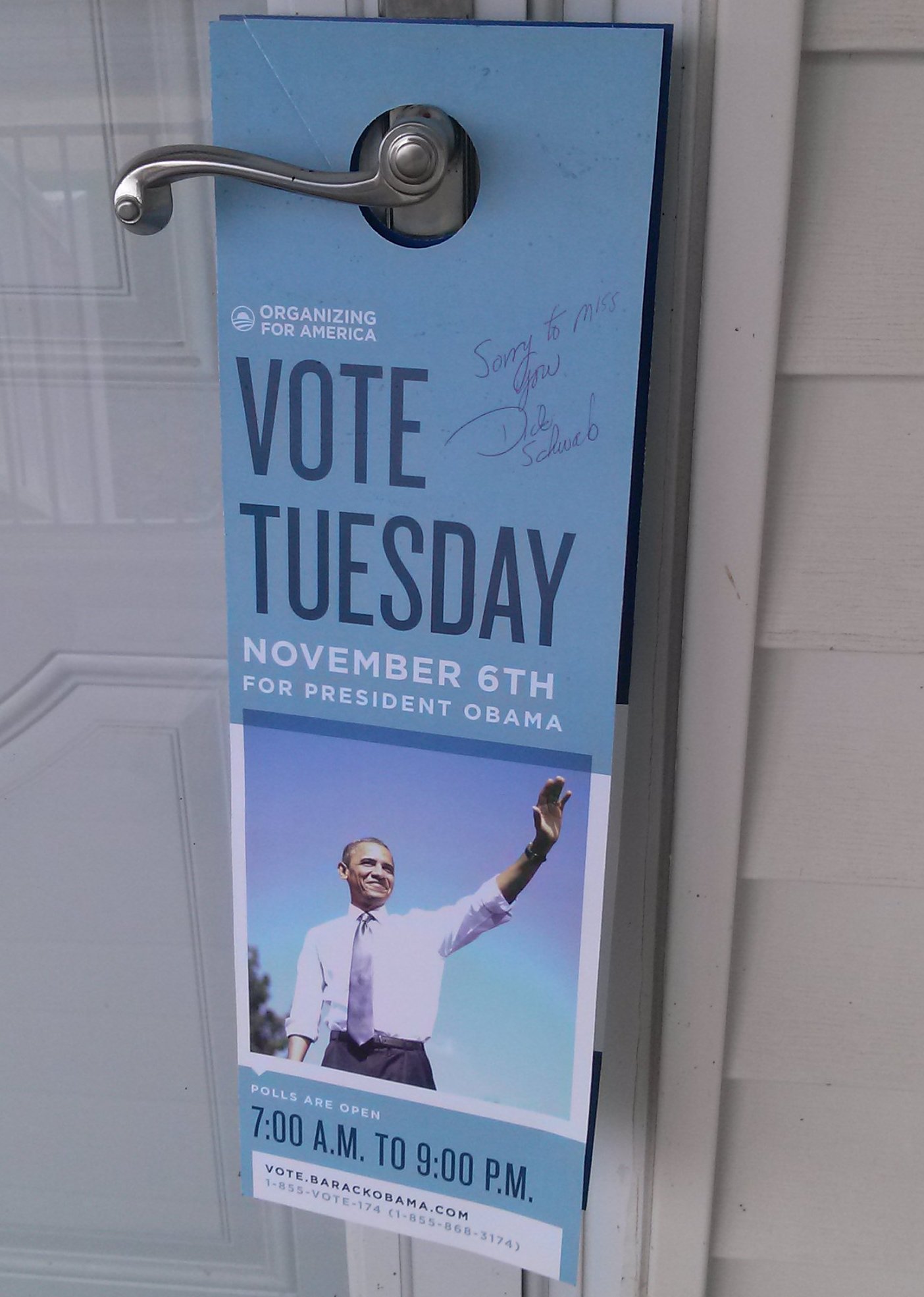
2012 Organizing for America door hanger.

Just like that, there is excitement in the air as Joe Biden endorsed Kamala Harris to be the Democratic nominee for president. It’s hard to believe it was less than a week ago. The dynamics of everything political changed. Many more people find themselves asking, “What can I do to help?” Historian and political journalist Heather Cox Richardson reported the excitement Friday morning:

People are turning out for Harris in impressive numbers. In the hours after she launched her campaign, Win With Black Women rallied 44,000 Black women on Zoom and raised $1.6 million. On Monday, around 20,000 Black men rallied to raise $1.2 million. Tonight, challenged to “answer the call,” 164,000 white women joined an event that “broke Zoom” and raised more than $2 million (UPDATE: $8.5 million) and tens of thousands of new volunteers. (Letters from an American, July 25, 2024. Heather Cox Richardson).

Thursday I took training from the Democratic National Committee in online engagement. There were so many people in the session, it load tested the applications they use. The surge of participation is palpable. It is also a good thing 100 days before the election.

What should we do to help elect Democrats?

The answer to this question is not what you may think: contact the local party and volunteer to knock doors, make phone calls, write post cards, donate money, and host events. Some campaigns need these things, yet they can become a placeholder that prevents more effective campaign work.

About door knocking. The 2022 election cycle was my last experience door knocking and it was an eye opener. I tried to make it to every door knocking event that was in my county and in my state house district. To a person, people contacted required no additional information about the election or candidates. They knew the candidates, had a plan to vote, and did it mostly on their own. If they were not going to vote, no entreaties from me would change their minds. People yelled at me from behind closed doors, “Go away!” The world has changed since I re-activated in politics during the 2004 campaign.

Where door knocking continues to pay dividends is when the candidate does it themself. In an Iowa state house race, this interaction is crucial. In a U.S. House District, it is impractical because of the size of the districts. The further up the ticket, the less important door knocking becomes. The most vigorous door knocking campaigns by a presidential campaign I recall were Barack Obama and Hillary Clinton. In those campaigns, especially in 2008, we contacted every voter we could think of, and phoned or door knocked until the polls closed. The takeaway from those three campaigns was if one is door knocking, a lot depends upon the database and the person writing walk lists. One only gets so much time at the door. If I were to door knock for Kamala Harris today, how would the down ballot races be handled? Voter history and existing data may not be as important in 2024 as it once was.

Door knocking is not as effective today as working our own personal networks with existing relationships with voters. In a previous post I wrote:

I was on the board of a local non-profit supporting the elderly. People would help out and we were glad for the help. Some made it very clear they didn’t want to get into discussions about politics as they knew some of us were Democrats who often wrote letters to the editor to the newspaper. We were able to do some good things with that group and we didn’t really suffer by holding off on political talk. (Don’t Talk Politics, Blog for Iowa. Paul Deaton).

What I am proposing, and what the Democratic National Committee is recommending, is to know whether people in such groups are with us on a candidate. That’s whether or not the group talks politics. In this election, with Trump on the ballot, and new restrictions on when an abortion is permissible in Iowa, we will count on a large number of voters who split the ticket. This type of canvassing is more complicated than asking a yes or no question at a stranger’s door and faithfully recording it in a database. The presumed depth of knowledge about our relationships should lend ease to how we proceed both to and from the voter identification phase.

The organizing about which I’m talking here is simple and straightforward. I’ve written before about “the way Trump campaigns used Facebook and Cambridge Analytica to scrape personal data about tens of millions of voters from the internet, and then custom targeted voters with tens of thousands of distinct daily ads designed to either persuade people to vote for Trump or not vote at all.” That is a different bag of cats than the idea of working with people you know to identify Democratic supporters and encouraging them to vote based on a personal relationship.

With a new presumptive nominee, this may be a new and needed way to canvass

Categories
Living in Society

Normalization Of The Crazy

Mariannette Miller-Meeks at the Iowa State Fair, Aug. 13, 2010. Photo Credit – Wikimedia Commons.

Public polling before the primary showed Democrat Christina Bohannan with an edge over Mariannette Miller-Meeks, within the margin of error. In her first match up with the Iowa City Democrat, Miller-Meeks won easily, 162,947 to 142,173. Erosion of her margin in polling indicates her growing unpopularity. Five Thirty Eight shows a June 30-July 4 poll of 375 likely voters, sponsored by the Bohannan campaign, with Miller-Meeks +1. While one shouldn’t make too much of a single poll, Bohannan appears to be closing the gap from the 2022 election.

What is going on? Miller-Meeks and her ill-advised takes on important issues are not that popular with both Republicans and No Party voters. She has to do something about that, and re-engineering her public-facing presence to appear less crazy may be it.

The main evidence of Miller-Meeks’ unpopularity was the June 4 Republican primary election. She defeated challenger David Pautsch 16,529 to 12,981 yet lost five counties, including Scott, the largest in the district. The other losses were in Clinton, Des Moines, Jones, and Washington Counties. This was not a good showing for an incumbent elected twice previously to office. Pautsch’s messaging was voters were “ticked off” with the Congress. “Principle is more important than power,” Pautsch said. By that he means right wing conservative principles. He got some traction among Republicans with that, painting Miller-Meeks as not right-wing enough.

Beginning June 25, Miller-Meeks began a new series of emails from a different official U.S. House address. I’ve been receiving her weekly newsletter from another address since October 2021, the year she was sworn in. Something different is going on. Why a new newsletter? I call it “normalization of the crazy.” Instead of presenting as the Trump-loving enthusiast she is, Miller-Meeks is posing as a “normal Congresswoman.” In her last new email, she wrote, “If you ever need assistance or have concerns that need addressing, please don’t hesitate to reach out to my office. My team and I are here to help!” Everyone who believes that, stand on your head. Seldom has she responded to my notes to her office.

The first of the new emails was an invitation to a telephone town hall. The second promoted HR2, the Republican Secure the Border Act, and the SAVE Act “that requires states to obtain proof of citizenship – in person – when registering an individual to vote in a federal election.” The third was a brief summary of some of her main issues and an invitation to subscribe to her regular newsletter and connect on social media. All three messages promoted her regular newsletter. While these messages seem innocuous, and a Democrat holding her office might send something similar with different issues, her need for a more professional image is evident. She is trying too hard.

Miller-Meeks’ main issues, that recur in the messages I receive, are related to the U.S. border with Mexico and gas and oil production and pricing. She aligns with the top of the Republican ticket on these. Border control is bad, other countries are releasing Hannibal Lector-type mental illness patients into the U.S. Gasoline prices are too high and the solution is more exploration of oil and natural gas within the U.S. Trump seems crazy when he talks about these issues and Miller-Meeks is closely aligned with his policy. That may not get her reelected, hence the new image.

Instead of accepting the charade, help Christina Bohannan and Democrats defeat Miller-Meeks. Here is a link to Bohannan’s website.

Categories
Living in Society

Biden To Exit Stage Left

Vice President Joe Biden, May 2010 in Cedar Rapids. Photo by the author.

Biden bowed out of the presidential race this afternoon.

First things first. President Biden has COVID-19 and is under treatment for it. Kevin C. O’Connor, physician to the president, said in a press release today, “President Biden completed his eighth dose of PAXLOVID this morning. His symptoms have improved significantly. His pulse, blood pressure, respiratory rate and temperature remain absolutely normal. His oxygen saturation continues to be excellent on room air. His lungs remain clear… He continues to perform all of his presidential duties.”

Then this…

Like many, I resisted believing what people were telling me, that his announcement could happen this weekend. Now that it has, we pick up the pieces, nominate a new candidate for president and vice president, resolve the legal challenges Republicans are expected to mount, and move forward. We are ready.

Categories
Home Life

Thistle Removal

First tomatoes of the season.

This year thistles grew near the east side of the house. While planting the garden, I let them grow. Now came the time to remove them and start a brush pile.

After morning reading, writing, and cooking, I took an old sweatshirt from the closet and put it on. Over that I wore coveralls. Socks, garden shoes, a ball cap, and heavy leather gloves completed the ensemble. The idea was to prevent the thistles from puncturing my skin. For the most part that was accomplished. Ensemble is a pretty fancy word for my attire. We don’t do much stylin’ around here.

These jobs seldom take as long as I plan. The idea is to do them well and do them once. While I had the lopper out, I cut back low-hanging branches I’ve been dodging all year while mowing. I cut back a total of five trees. By the time I pile up all the brush, it will be a decent stack. After I add the brush stored in a fallow garden plot, and conditions are good, I’ll burn it. I put the brush pile over the stump of a locust tree, having heard the fire will remove the stump. We shall see.

The first tomatoes ripened. Orange cherry tomatoes as is usually the case. The garden is a bit of a mess yet it is producing like crazy. The refrigerator is at capacity and there is no shortage of ingredients to prepare a meal. This abundance is complicated by the fact my spouse has been helping her sister for three weeks. I’m doing my best to prepare meals without leftovers, although that is hard to do dining alone.

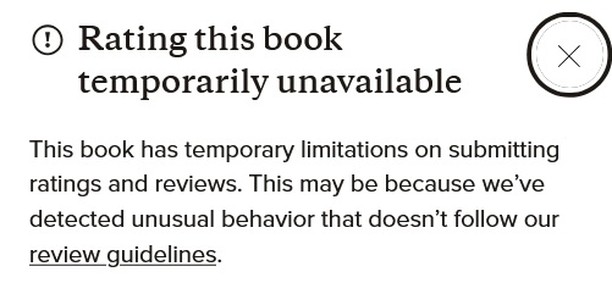
When J.D. Vance was selected as the Republican vice presidential candidate I pulled down my copy of Hillbilly Elegy and read it. It hasn’t been a priority until now. The ivy league lawyer who grew up in poverty has a story to tell, yet, he makes generalizations that don’t ring true. I’ve known more than a few people, mostly family or kin, who are poor and live in Appalachia. To a person, the word hillbilly was never used to describe themselves. From there the book went downhill as having any broader application than his personal life. Vance’s story is engaging, yet it seems written to support his conservative point of view. When I went to Goodreads to declare I finished the book, the software wouldn’t let me rate the book. I got a message that said,

Do you suppose people are dunking on Vance now that he is running for high office?

Each summer I make iced tea a couple of times. I heat up the water and brew three black tea bags in a teapot purchased for our child’s long ago school project. I buy the cheapest black tea available and it serves. I drink it over ice, no sugar. It is one of the pleasures of summer. On a Saturday afternoon, there is little else more satisfying to a septuagenarian pensioner.

Categories
Living in Society

Vouchers Bust A Budget

Big Grove Township School #1

The Iowa school voucher program, enacted into law by Republicans, is going to be expensive. Private schools are ramping up to use the newly arriving funds.

Last Saturday, I attended a high school class reunion in Davenport where a group of classmates participated in a tour of our old school building led by Andy Craig, President of Scott County Catholic Schools. A classmate reported Craig was dealing with the influx of money from the new school voucher program into the county’s five Catholic Schools. Enrollment at the high school declined by more than half since I graduated in 1970. Plainly, though, they survived the 54 years since then without the state’s largess.

On May 3, House Democratic Leader Jennifer Konfrst addressed the expense of school vouchers on Iowa Press:

O. Kay Henderson: Will ESA policy in Iowa be like Obamacare policy at the federal government? It’s going to have been in place for several years by then. Will it be impossible, as Democrats argue, to repeal it?

Konfrst: It’s a great question. I think that frankly school vouchers are unsustainable, so we will have no choice but to address how much money is going to school vouchers. Right now, it’s an unlimited appropriation and it comes off the top. So, before we fund public education and increase funding, we’re funding school vouchers. So, this year we know $180 million went to private schools and 60% of those families were already in private school, we’re just funding rich kids to go to private school with our tax dollars. And with an unlimited appropriation, we haven’t even gotten to the point where every Iowan is even eligible yet. That’s next year. So, once we start seeing that, if the dollars start going up so much, we’re going to have to roll back those costs because it’s simply not sustainable from a budget standpoint.

Henderson: Several years ago, when a former state legislator named Walt Rogers initially proposed that, the estimate was that it would cost somewhere in the neighborhood of $300 million. Is that the current estimate?

Konfrst: $300 million has been the first two years of this program. And, again, we’re not even to the point where the income limits have been taken off. So, we are, we’re going to see hundreds of millions of dollars spent on this, a billion dollars over five years is not unreasonable. And in a state like Iowa, that is simply not sustainable, especially when we remember that that money is coming, that money could be going to public schools to make it better for everyone. 54% of the vouchers so far have gone to 10 counties. So, how is this helping rural Iowa? But the budget for public education has been reduced statewide. So, it’s simply not a fair system. Iowans know that. That’s why they don’t like it. And it’s not sustainable.

Leader Konfrst was right then and the example of Arizona, released by ProPublica this week, shows how right she is.

Arizona, was the model for voucher programs across the country. It spent so much money paying private school tuition that it’s now facing hundreds of millions in budget cuts to critical state programs and projects. Among the projects facing budget cuts are water infrastructure projects, highway expansions and repairs, community colleges, and air conditioning in the state prison system. ProPublica called it a budget meltdown.

Spending hundreds of millions of dollars on vouchers to help kids who are already going to private school keep going to private school won’t just sink the budget, Lewis said. It’s funding that’s not going to the public schools, keeping them from becoming what they could and should be. (School Vouchers Were Supposed to Save Taxpayer Money. Instead They Blew a Massive Hole in Arizona’s Budget by Eli Hager, ProPublica July 16, 2024).

Iowa is not Arizona insofar as we have a budget surplus to be used in case of emergency. However, one expects the emergency upon which it will be spent is the desire of wealthy Iowans for more tax cuts. I believe that bill is coming next year.

Just as my high school managed through declining enrollment and inadequate funding over 50 years, Iowa families will manage through the state’s intentional defunding of public education. What choice do we have? Well, we do have a choice: work to elect more Democrats to the Iowa Senate and House. Here’s a link to some ideas on how to do that. I would point out the governor is up for re-election in 2026. Check out the full article at ProPublica.