Categories
Living in Society

For Want of an Ocean

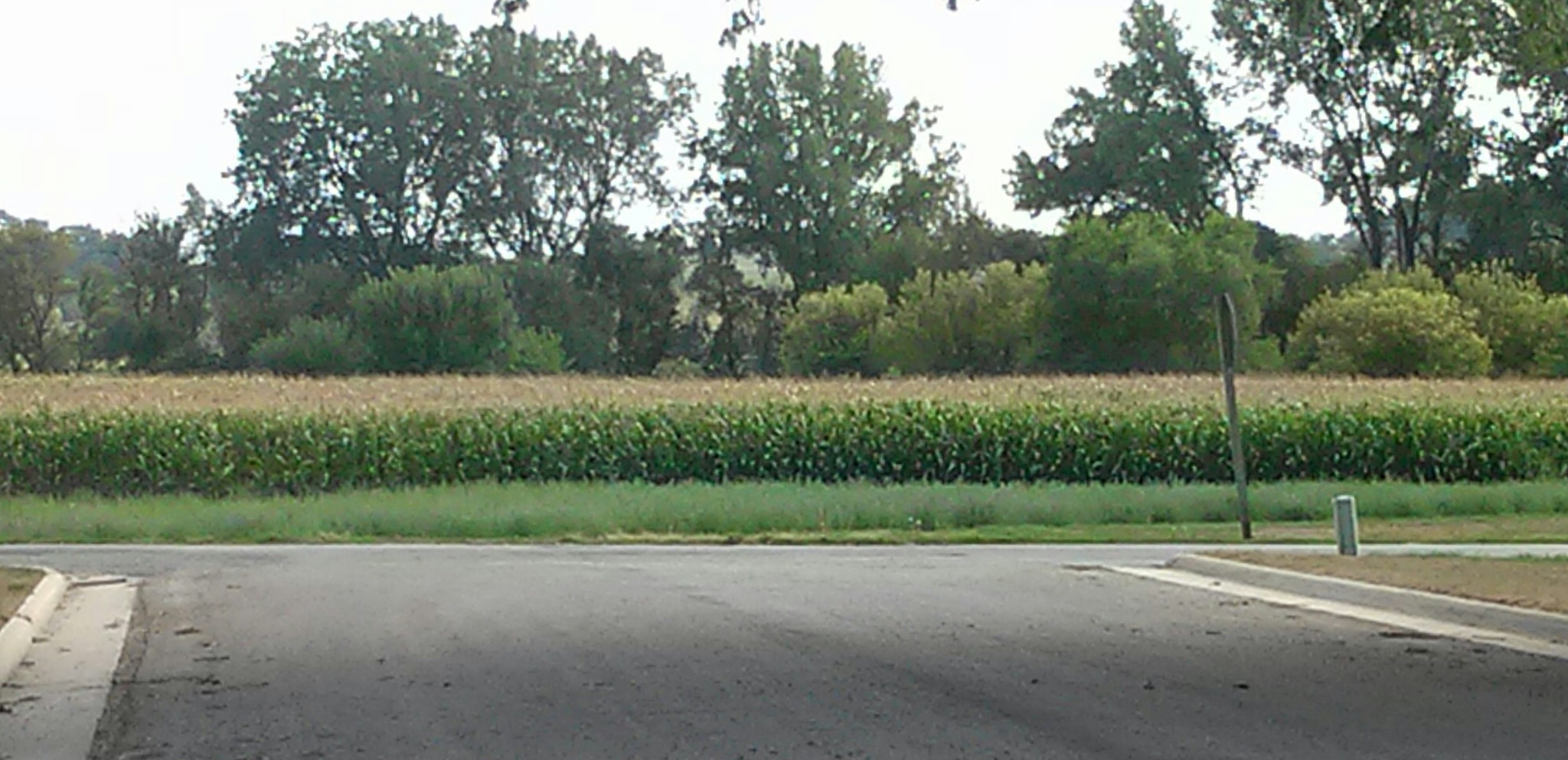
Field Corn at the End of the Street

A characteristic of the state where I live is there is no ocean. That may be the dominant feature of the Hawkeye State. Sure, we have an immense drainage system that leads to the Gulf of Mexico, where we send farmland soil and chemicals at an astounding and deleterious rate. Want of an ocean changes how we grow up, learn, and live.

I grew up in a city near the Mississippi River with a population of 75,000 at the time of my birth. The Grant Wood farm scapes of note were nothing to me in my first two decades. Life consisted of family, church, school studies, commerce, and learning how to work. Farming, like that in Iowa, had little to do with it.

My great aunt Marie lived with her family on a local farm. I remember visiting them a couple of times for large family gatherings. It was a form of exoticism that made Aunt Marie approachable and harked back to when she was born on a Minnesota farm with her brother and many sisters. Farming as I knew it was a form of nostalgia. Aunt Marie was able to attend the wedding reception Mother hosted for us at her home, along with a couple of her sisters. It seemed at the time just something people did in a city.

The connection of the Mississippi River with the ocean was understood. In my early years I spend time by the river bank. I looked past the refuse of crumpled paper cups, abandoned fishing tackle, spent condoms, and such scattered on the shoreline. I looked across the one mile of water toward Rock Island. While Father’s family emigrated from Florida to Rock Island after World War II, that city seemed exotic, not unlike the way Aunt Marie’s farm did. I preferred the city where I was raised.

We took a childhood family trip to Florida and swam in the ocean. I tasted the water to see if it truly was salty and found it was. The ocean was an exotic place of its own. A place for special trips and limited, controlled experiences. This exoticism prevented understanding of much that was written about living near the ocean. It was as if a whole set of literary metaphors had been removed from the intellectual environment and was inaccessible to me. It made some verse and stories incomprehensible and there seemed to be no good alternative.

With high school friends I visited Assateague Island in the Atlantic Ocean. We were visiting classmates at Georgetown University in Washington, D.C. and wanted to escape the city. It wasn’t the city. I don’t know what it represented other than youthful ambition to connect with nature. Most of the memories I brought home from that trip have nothing to do with the ocean.

We live in Big Grove Township where most of the big groves of trees were cut down and made into lumber. From the time Black Hawk ceded land after the Black Hawk War, settlers ripped up the prairie for farmland at a rapid pace. Today there is very little public land in Iowa and comparatively few state parks. There is almost no remaining prairie, just bits and pieces here and there. Instead we have fence row to fence row corn and soybeans throughout the state. People refer to Iowa fields as an ocean of corn, yet the description falls flat when compared to an actual ocean. Instead, we are a sleepy place having nothing to do with any ocean. We are the worse for want of a nearby ocean.

We adjust to other metaphors while lacking an ocean. The trap has been to consider industrial farm scapes as something valuable, some kind of alternative. They don’t reflect who we are as a people. They reflect the wealth of land owners. In the long run of a life, who indeed cares about that?

John Haines poem, “Whatever is here is native” is pinned on a bulletin board in the garage. Haines found inspiration in the peaks of the Alaskan range he could see from the cabin he built himself, in the butterfly he held in his hands, in the moose he shot and butchered. He told of stones waiting for God to remember their names, according to his obituary. Such may be our life for want of an ocean. We must accept what is here as who we are.

Categories
Living in Society

Bill Anders Died As He Lived

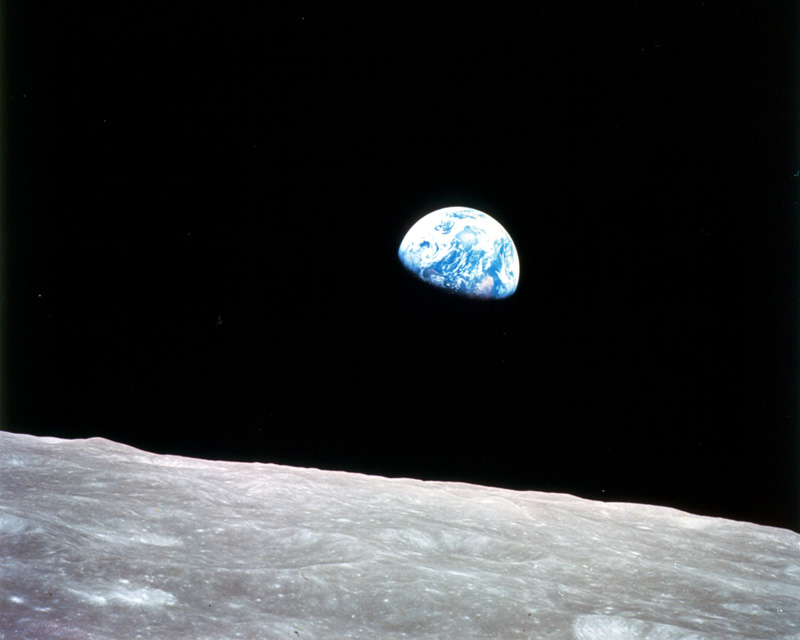
Earthrise by Bill Anders, Dec. 24, 1968

Early Saturday morning news media reported Bill Anders died at age 90 while a plane he was piloting crashed into the sea off Washington State. He was a pilot at the beginning of his career and that’s how it ended.

Anders was widely known for his unplanned photograph Earthrise. He was a lunar module pilot on the Apollo 8 mission when he took it. Anders later described taking this photograph as his most significant contribution to the space program, according to BBC. “We came all this way to explore the Moon, and the most important thing that we discovered was the Earth,” Anders said.

Earthrise inspired most everyone.

Officials said Anders’ plane crashed Friday at around 11:40 a.m. PDT, according to the BBC. The U.S. National Transportation Safety Board (NTSB) said he was flying a Beechcraft A A 45 – also known as a T-34. The agency said that the plane crashed about 80 feet from the coast of Jones Island.

Anders’ story has its roots in being a pilot. On Oct. 8, 1997, he told that story as part of the NASA Johnson Space Center Oral History Project. Here is his answer to the first interview question by Paul Rollins. Read the entire interview on the NASA website.

[Early in my Air Force career as a fighter pilot] I was trying very hard to get into the Air Force Flight Test School. … I … talked to Chuck Yeager and the people running [the school] and Yeager … said “We’re really looking for people with advanced degrees.” This was in [1959]. So, I signed up for the Air Force Institute of Technology masters [degree] program [where I] graduated with honors. [I went back] to Edwards thinking I was a shoe-in and [was told by Yeager], “Oh, well [that] the criteria [had been changed and that advanced degrees didn’t count as much as flying time.] … I was disappointed but I still kept trying to get in and [applied] for the Flight Test Program [anyway]. [In the meantime,] … I was driving my Volkswagen bus, [one Friday afternoon] going home from work [in] Albuquerque [New Mexico] at the Air Force Special Weapons Center, where I was an engineer and an instructor pilot [when] I heard this announcement [over the car radio] that NASA was looking for another group of astronauts. Now one had to be a test pilot for the first two groups [of astronauts] and it didn’t occur to me that they would change that. But [for] this group [the radio announcer] went down the list of things [NASA required. He said the applicants] had to be a graduate of Test Pilot School or have an advanced degree. I remember pulling over to the side, tuning it up, and then waiting for the next fifteen minute [news cast where the “… or advanced degree” message was repeated. By the time I got home] … I had decided that … I was going to put in an application. … I wrote up a letter [that weekend], … mailed it to [NASA on Sunday]. [W]hen I got to work at the Air Base the next [Monday the pilot officers were] told that if … we were interested, [we should fill out some] forms [and] submit them through the channels. … I went to my boss and said [that I] already sent [NASA] a letter [of application.] … [H]e said, “Well, that’s okay, just go do it again [through channels].” …[T]o my surprise [I] was asked to come down for the various physicals and tests [several weeks later]. And, to my increasing surprise, [I] kept surviving [the cuts]. [On October 17] of 1963 [(my birthday), I] was called by Deke [Donald K.] Slayton and asked if I wanted to [fly with them, I accepted immediately]. Two days later, I [received] a call from Chuck Yeager who said, … he was really sorry [and that] I was really a great candidate but I didn’t make [the USAF Test Pilot School]. I made the mistake, in retrospect, of saying, “Well, Colonel I appreciate [your call] … but I [have] a better offer anyway.” “What was that?” [he asked surprised]. I told him I [had received] a call from Deke Slayton [to come to NASA. Yeager] said that’s not possible because we … screened all the applicants and since you weren’t a member of the test pilot school you didn’t go forward. I said, “Well, sir, I put in [another application directly to NASA].” … [He was upset about that and] actually put some energy into that trying to get me kicked out of the [NASA] program… [Fortunately he was not successful.] (Interview with William A Anders by Paul Rollins for the National Aeronautics and Space Administration, Oct. 8, 1997).

Bill Anders died as he lived. May he rest in peace.

Categories
Living in Society

Question of a Frontier

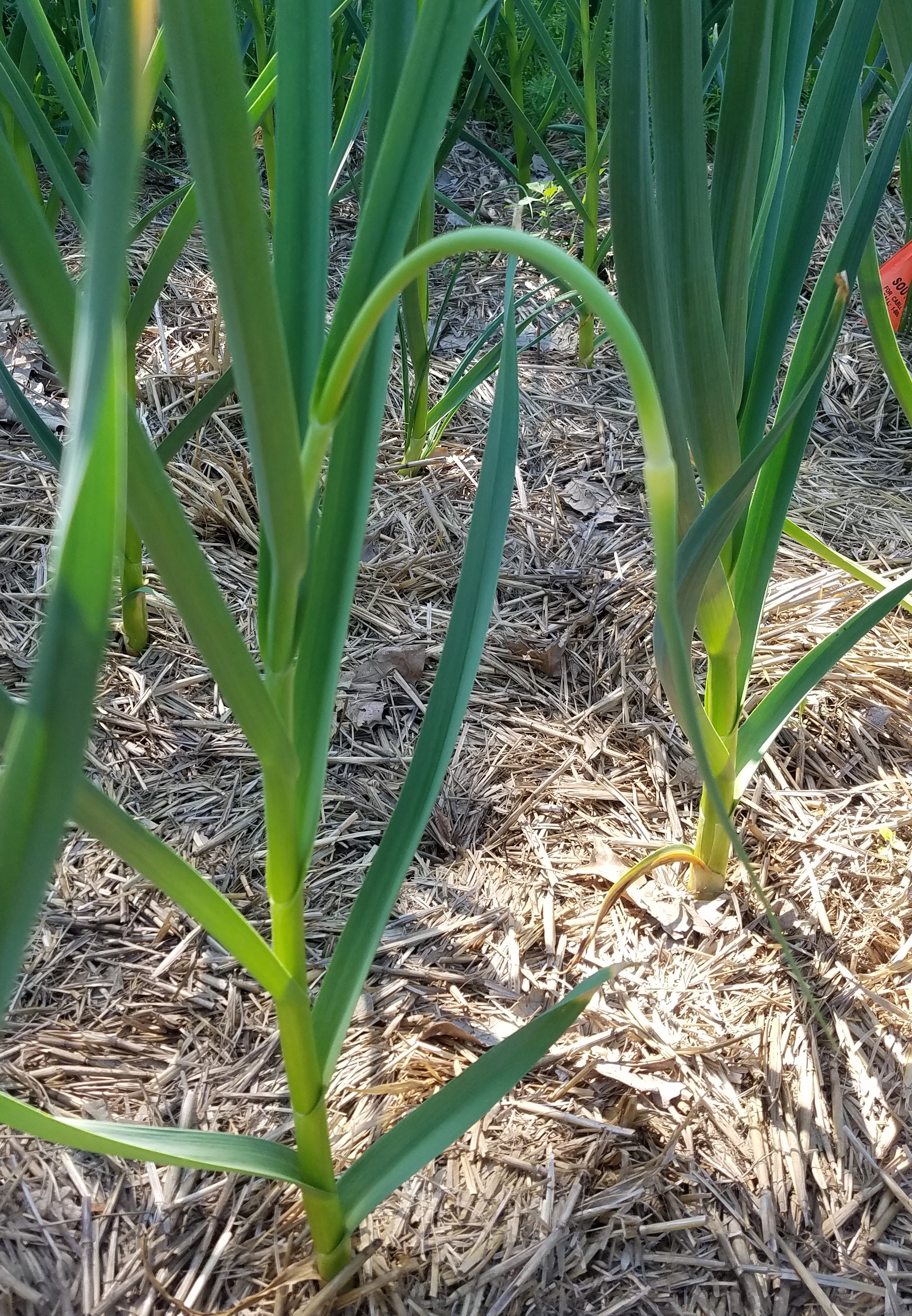
Garlic scapes have begun to emerge.

When Antoine LeClaire, George Davenport, and others brought the first steamboat full of land speculators from Saint Louis to sell them plots in what would become the city of Davenport, Iowa, they did not appear to have clear title to the land. Sales were lackluster. Right or wrong, I attribute this to the dominant unanswered question: Who truly owned the land?

When the Sac and Fox tribes crossed the Mississippi River into Illinois in 1831 and 1832, their dispute was with settlers who moved onto the land. Indigenous tribes did not recognize the previously signed 1804 treaty in which Sauk and Meskwawki individuals surrendered tribal lands. This dispute initiated the so-called Black Hawk War. The tribes were routed and a new treaty was signed in 1832. By 1837 all surrounding tribes had fled to the West, leaving the former Northwest Territory to white settlement, and expanding settlement into Iowa and the western parts of Minnesota.

In my autobiography I wrote about Lincoln County in southwestern Minnesota, “the presence and perceived threat of indigenous people had diminished.” In the white-written history of that place, there is scant mention of indigenous people. I included this sentence because the complete omission of indigenous people would be an error. If the tribes had truly fled to the west by 1883 when my great, great grandfather bought his land, they may have been a minor threat. Was southwestern Minnesota part of the frontier? One doesn’t see much to indicate it was. At the same time, how else would we describe it?

In 1893, Frederick Jackson Turner published The Significance of the Frontier in American History. I first read Turner in graduate school, and while his writing is familiar it was easier to disagree than agree with his thesis that once the frontier closed, so too did the defining aspect of American character. Yes, his work led to an expansionist foreign policy and forays by the United States into new territory during the Spanish-American War. At the same time, it is hard to stomach that the strength and the vitality of the America identity lay in its land and a once vast frontier.

I submit that land is land whether it be acres of tribal land ceded under a treaty, land granted or purchased for speculation by the founders of Davenport, or land bought in Minnesota from the railroad, the interaction of individuals and communities with the land and natural environment was more defining of American character. The better question is “What shall we make of this land where we find ourselves?” The perspective for an answer can be very narrow.

We Americans, like my Polish ancestors, often seem completely self-absorbed in ourselves and in our communities in locum. Our vision doesn’t go far beyond our noses. When we talk about character and culture, the native impulse is to tell a single, brief narrative of our lives. It is a combination of essential, defining moments, and multiple, broader narratives set in societal context. Depiction of a frontier may be part of it, yet once basic security and land rights are attained, the frontier fades into the background.

At the root of such stories, we must answer the question J. Hector de Crèvecoeur asked in Letters from an American Farmer, “What then, is the American, this new man?” The proper answer in 2024 is we are male and female, and not one singular thing. We have become Lyndon Baines Johnson’s vision of America, like it or not.

Once the question, “Who owns the land?” is settled, another important dynamic takes the foreground: the interaction of settlers with the natural environment. There is no question about a frontier, except to ask what took us so long to put it in its place?

Categories
Environment

To EV or Not to EV

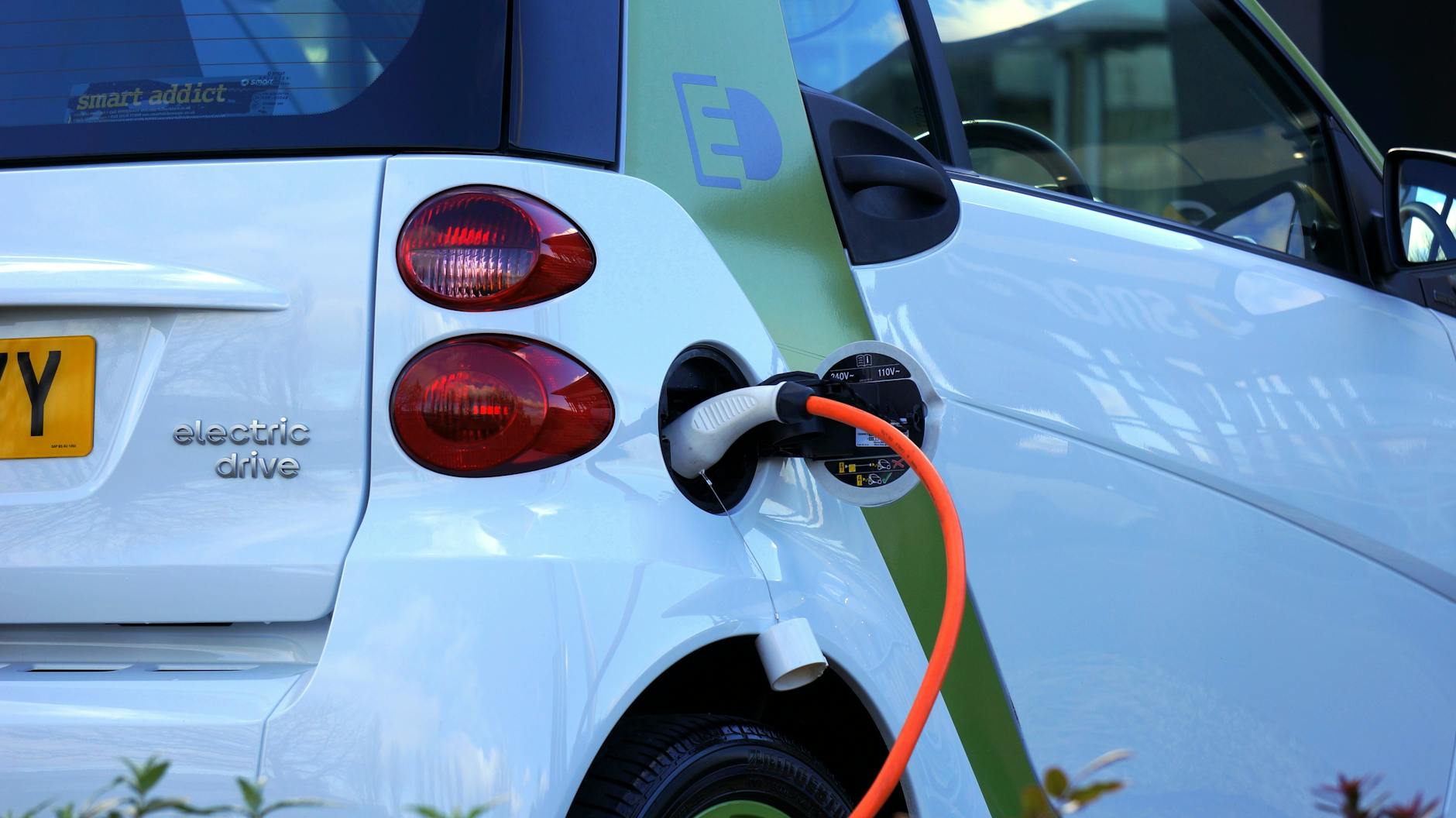
Photo by Mike Bird on Pexels.com

Moving the automotive economy toward electric vehicles is a good thing for multiple reasons. An important benefit is to decrease reliance on burning stuff in an internal combustion engine. In the late 19th Century, Rudolph Diesel invented an engine that could burn almost any liquid fuel, including whale oil, tallow, paraffin oil, naphtha, shale oil, and peanut oil. Despite the initial available diversity, the economy followed a track to perfect the gasoline engine and use it for transportation. To a large extent, that’s where we are now, with Diesel’s namesake fuel relegated to trains, buses, heavy trucks, boats, and power generators.

In 2022, we needed a new car and could not confirm a delivery date on available electric vehicle models. They were in high demand and manufacturing could not keep up. We ended up with a three year old used car that got 38 miles per gallon of gasoline. In addition to supply falling short of demand, there are other problems with electric vehicles.

Electric vehicles reduce emissions and are often much kinder to our planet than gasoline and diesel alternatives. Those are positive attributes. The world is not ready for EVs and people experience barriers to using them in the form of charging station infrastructure, insurance, and affordability, in addition to the ability to timely buy one. The federal government has begun to create an environment for the advancement of EVs and Republicans are fighting it tooth and nail.

The latest conflict between doing what’s right for a majority of U.S. citizens, and Republican support for the fossil fuel industry, occurred after March 20, when the U.S. Environmental Protection Agency released a new tailpipe rule on vehicle emissions. “Joe Biden has launched a relentless onslaught of regulations infringing on American consumer freedom,” Congresswoman Mariannette Miller-Meeks wrote in her weekly newsletter. She decried that the administration’s “heavy-handed mandate forces American automakers to prioritize electric vehicle (EV) production and sales.” Well, yeah. That’s the point, along with preserving a livable world. The member of congress failed to mention all the positive things the president is doing to make EVs affordable for consumers.

The decision to EV or not to EV is not the choice of a single consumer. As individuals we have rights, yet the government must not leave the choice of whether we have a livable world in the hands of personal choice. To move the ball where it is needed regarding EVs, the government can and should be involved in nudging industry and consumers to move toward them. Under Biden, government accepted this role. The scale at which the administration proposes to increase EVs as a percentage of the global fleet is staggering. It is also what is needed to address the climate crisis.

My choice would be to use public transportation for every thing. As long as I have to drive because I live in the country, I expect to eventually convert to an EV and learn to love it. We must support the administration as we can, perfect what is flawed about their approach, and never lose sight of the big picture of slowing the greenhouse effect so we can maintain a livable world. In our current political situation, that means electing Democrats.

Categories
Environment

Al Gore Receives Presidential Medal of Freedom

With Al Gore and Company in Chicago 2013.

On Friday, May 3, Al Gore was awarded the Presidential Medal of Freedom by President Joe Biden. Al Gore is deserving of this recognition.

Here is the announcement. Al Gore was one of 19 people to receive the medal yesterday:

Al Gore is a former Vice President, United States Senator, and member of the House of Representatives. After winning the popular vote, he accepted the outcome of a disputed presidential election for the sake of our unity. He was awarded the Nobel Peace Prize jointly with the Intergovernmental Panel on Climate Change for his bold action on climate change.

My decision to associate with Gore through the Climate Reality Project was a game changer, introducing me to climate activists all over the planet. Joining Climate Reality upgraded my understanding of the climate crisis and everything around it.

What is next for the Climate Reality Project? I don’t know yet presume succession plans are already in place for Gore’s retirement.

Categories
Living in Society

April Showers

Volunteer cilantro from the garden.

April is ending with rain showers. As hot as the atmosphere and ocean have been, I expect an abundance of rain in 2024. Our local newspaper wrote there will be “bouts of record-challenging high temperatures throughout the nation and the possibility of the hottest summer ever observed.” Call it the climate crisis, call it a lot of rain, call it whatever you will yet these are crazy times and the weather became crazy along with it.

A friend and I organized a political meet and greet at the public library so voters could meet candidates before the June 4 primary election. As mentioned yesterday, the primary election may as well be the November general election for county supervisors: The county electorate is liberal compared to many Iowa counties and Republicans on the November ballot don’t stand a chance.

It is no surprise there is discontent among the electorate. That is the county Democratic resting happy face. Two new candidates challenged three incumbents for county supervisor. I spent time at our event with each of the five, including the ones I am just getting to know. They are all good people with a set of manners one expects from a candidate for public office. Incumbency is difficult to overcome unless someone did something terribly wrong. There is no evidence of that among these incumbents.

The state house races are just beginning and neither the state senate nor representative candidate was ready with campaign literature or yard signs. April politics is a parade gathering in a field waiting for the grand marshal’s signal to start. There is a lot of milling about. All eight candidates at the event, including the county sheriff, are solid.

Inside the front entrance to the library is a stone wall with the chiseled names of original donors who built it. Our public library used to be under the bandstand in a city park, then moved to the former fire station. Both spaces were incredibly small for a library in a city and surrounding community of more than 10,000 people. Many take for granted having a well-built library with a robust staff. Not every small community can afford it. The original community donations, in money and sweat equity, set the path for a great local resource we use for our political meetings and many other things.

Morning sunlight is drying the driveway as I type these words. No rain is forecast so it should be a decent day of outdoors work. Soon it will be time to get cabbages in the ground.

Categories
Environment

Nuclear Power Isn’t It

Photo by Johannes Plenio on Pexels.com

Little has changed to make nuclear power a safe and affordable option to produce electricity. That didn’t stop Iowa Republican members of congress, all four of them, from voting for H.R. 6544, the Atomic Advancement Act of 2023. They were not alone, the bill passed on Feb. 29, 2024 (365-36-1). It awaits action in the U.S. Senate Committee on Environment and Public Works. What were they thinking? They were thinking they would take care of big business first.

In a sneaky, self-serving way, the bill revised the Nuclear Regulatory Commission’s mission statement to emphasize the “public benefits” of nuclear energy instead of protecting human life and health through regulation. In other words, it promotes more nuclear power over safety.

Using questionable wisdom, the U.S. House of Representatives pushed more of the cost of recovery from a nuclear disaster upon tax payers. The bill calls for renewal of the Price-Anderson Act, a 1957 law which caps the industry’s liability for nuclear disasters at only $13 billion. H.R. 6544 extends it for 40 more years. The Price-Anderson Act makes US taxpayers liable for the full costs of nuclear disasters – which could run into the hundreds of billions of dollars – and exempts the insurance industry from covering homeowners and businesses for damages from those disasters. We regular folks never have it that good from our government.

Construction costs for new nuclear power are more than ten times those of comparable solar capacity. There are similar cost issues around fuel sourcing, waste disposal, safe operations, and escape of radioactive pollution from a power plant, none of which have been resolved. There can be agreement we’d like to use a method of electricity generation that minimizes pollution. Nuclear power isn’t it.

Entrepreneur Bill Gates is working to make nuclear power more cost effective and safe. When he decided to make nuclear power generation one of the projects in his post-Microsoft life, he said he wanted to solve its problems so it could replace more polluting methods. Gates believes nuclear power is an important part of solving the climate crisis. That may be, yet not until we solve the problems of cost and safety. Read about his effort in Kemmerer, Wyoming here.

The U.S. Congress is getting ahead of itself in advancing this bill. My House Representative Mariannette Miller-Meeks was out with a statement shortly after voting for it, “The Energy and Commerce Subcommittee on Energy held a hearing to discuss nuclear energy expansion. I believe nuclear energy plays a key role in the future of American energy and am proud to support it.” I have been writing about the representative’s affection for nuclear power since this post on Dec. 11, 2010. I wrote, “As a proponent of nuclear power to control toxic emissions from coal fired power plants and concentrated animal feeding operations in the state, she is expected to kick the ball down the road for the decades it would take to bring adequate megawatts of nuclear energy on line.” One decade down, how many to go?

It is obvious the nuclear industry has made little progress toward improving safety in operations and affordability as measured in unit cost of electricity produced. They hang their hat on the likes of Bill Gates, instead, and pray he solves the problems. I didn’t know those folks spent that much time in church.

Categories
Environment

How Are Things Going Before Earth Day?

Image of Earth 7-6-15 from DSCOVR (Deep Space Climate Observatory)

Earth Day is Monday, so how are we doing? Is the news media helping us create a better environment?

Bill McKibben follows issues centered around the climate crisis better than almost anyone. Here’s the stark truth from his substack, The Crucial Years:

At the most fundamental level, new figures last week showed that atmospheric levels of the three main greenhouse gases—carbon dioxide, methane, and nitrous oxide—reached new all-time highs last year. Here’s how the National Oceanic and Atmospheric Administration reported the figures:

While the rise in the three heat-trapping gases recorded in the air samples collected by NOAA’s Global Monitoring Laboratory (GML) in 2023 was not quite as high as the record jumps observed in recent years, they were in line with the steep increases observed during the past decade. 

The global surface concentration of CO2, averaged across all 12 months of 2023, was 419.3 parts per million (ppm), an increase of 2.8 ppm during the year. This was the 12th consecutive year CO2 increased by more than 2 ppm, extending the highest sustained rate of CO2 increases during the 65-year monitoring record. Three consecutive years of COgrowth of 2 ppm or more had not been seen in NOAA’s monitoring records prior to 2014. Atmospheric CO2 is now more than 50% higher than pre-industrial levels.

Entirely unsurprisingly, the planet’s temperature has also continued to rise.

The Crucial Years, a substack by Bill McKibben, April 10, 2024.

Not long ago, McKibben headed an organization called 350.org, which advocated keeping average surface concentration of CO2 below 350 ppm. At 419.3 ppm, and increasing about 2 ppm per year, we are going the wrong direction.

How do news audiences perceive the climate crisis? A recent study explored this question. Why is it important? How we perceive and receive news about the climate crisis determines, in large part, whether and how we address it.

Around Earth Day, we expect to see more news stories about the climate crisis. Folks at Reuters Institute studied news use and attitudes about climate change, using data from Brazil, France, Germany, India, Japan, Pakistan, the UK, and the USA. The issues are similar to what we see in response to media on any topic: Should we trust scientists? What is misinformation and what isn’t? What news sources are trustworthy? Are direct action protests covered fairly by media? They found a lot:

  • In most of the eight countries there has been a slight increase in climate change news use, with just over half (55%) on average using climate change news in the previous week.
  • Climate news avoidance and trust in climate information from the news media have remained roughly stable, but avoidance has decreased slightly in the UK, USA, and Pakistan, as well as trust in the UK and Germany.
  • Scientists remain the most trusted sources of news and information about climate change, trusted by 73% on average, and respondents more often see them used as sources in the news media than any other source of information.
  • Over three quarters (80%) of survey respondents say they are concerned about climate change misinformation, consistent with data from 2022.
  • Once again, respondents think television and online (including social media and messaging apps) are where they see most climate-related misinformation. Politicians, political parties, and governments are frequently mentioned as sources of false and misleading information.
  • Nearly two thirds of respondents believe that news media play a significant role in influencing climate change decisions, actions by large businesses, government policies, and public attitudes, with particularly strong beliefs in Brazil, India, and Pakistan.
  • There is large variation in how soon respondents think people in their country will face the serious effects of climate change, with significant proportions in every country thinking the consequences are decades away at least. However, people who use climate change news on a weekly basis are considerably more likely to think that people are being affected by climate change now.
  • Significant disparities exist in perceptions of the impact of climate change on public health specifically, with those in Global South countries (Brazil, India, Pakistan) generally perceiving larger effects (50% or more) than those in the Global North (UK, USA, France, Germany, Japan).
  • Just over half of respondents think that climate change has a larger effect on poorer people (53%) and poorer countries (52%), but there is a considerable partisan disagreement on this in France, the UK, and the USA, with those leaning politically right less likely to agree.
  • People are more likely to think that richer countries and more polluting countries should take greater responsibility for reducing climate change, and weekly climate change news users are more likely to hold this view.
  • In the UK, USA, Germany and France opinion is roughly evenly split on whether direct action climate protests (e.g. blocking roads, disrupting sporting events) are covered fairly by the news media. But in Germany, the UK, and the USA opinion varies depending on whether people support or oppose the protests.
  • People in our survey expressed a high level of interest in various types of climate coverage, including news that discusses latest developments, positive news, and coverage presenting solutions. People did not express a clear preference for the type of solutions journalism they are most interested in.

What do these findings mean? Assessing news in media has become a critical skill in 2024. It is important to align our lives with accurate information about the climate crisis. Rich McKibben is a good source of information. So are Katharine Hayhoe and Al Gore. Knowing the truth about the climate crisis will make us better advocates. It will set us free to create a better world for our progeny.

On Earth Day 2024, we are a distance from achieving our goals. Things are not going as well as we need and it is complicated by reliance on media fraught with misinformation. We can do better.

~ The author helped organize the first Earth Day on April 22, 1970 in his home town. He served as chair of the county board of health, and has been advocating and writing on environmental issues all along his journey. He joined Al Gore’s Climate Reality Project in 2013.

Categories
Living in Society

After the Storm

Green up in the state park, April 16, 2024.

During the first two minutes I had my Merlin bird identification software listening, it found: White-breasted Nuthatch, Northern Cardinal, American Robin, House Finch, House Sparrow, Red-winged Blackbird, Blue Jay, Chipping Sparrow, and Canada Goose. The usual suspects were awake and came out to greet me a few days after the storm.

The storm gathered all the ash tree seed pods from the roof and collected them in the gutter downspout. That caused rainwater to overflow into the window well, and then leak into the house. It was a mess to clean up. There was no real damage, although the gutter design needs a remake to position the downspout elsewhere. Adding that to the long to-do list. It will go high on the list.

Clean up after the flooding will take some effort. Luckily we have the needed tools: buckets, rags, wet/dry vacuum, mops and brooms. Now to get those cleaned up, dried and put away.

Despite recent rainfall, and refilling of the lake, the newspaper reported this morning we continue to be in drought conditions in Big Grove Township. It continues to be too cold to plant much in the garden, with last frost as much as a month away. However, it is time to shift gears to doing more garden prep beginning now.

Where to start? Probably at pushing the post button and getting on with it. Make it a great day readers!

Categories
Kitchen Garden

Early Spring Chills

Black bean and kale taco filling.

With ambient temperatures in the twenties and thirties it has been a chilly early spring, of a kind that has me lingering indoors to find things to do. It is what it is. I hope to plant potatoes on Friday, yet if it’s too cold, I will delay. In the life cycle of Midwestern gardening, the growing season is extended by a warming climate and a few days doesn’t matter that much.

I plant potatoes in containers so the soil is less accessible to rodents. I move them each year, using the soil dug to bury them plus some soil mix and compost all blended with a cup or so of fertilizer in each tub. So far no critters dug their way into the tubs to eat the tubers.

A company in Monticello sells composted chicken manure, which is used by a lot of organic growers. I need to get over there and buy this year’s supply which is 150 pounds. There will likely be the annual discussion of which sales person gets credit for my sale. A few years ago we established that mine is a “house account” which means no sales person gets credit as I just walk into the office to buy it. Since beginning to use fertilizer, garden yields have improved.

Based on last year’s experience, I delayed planting peppers last weekend. Timing of seeding to planting time is more important for peppers and tomatoes. Any more, I don’t see an advantage of germinating early. I am cutting back on peppers and tomatoes this year with fewer varieties. For peppers to be successful in this climate, I need to install drip irrigation. I have been unwilling to do so, and there is an abundance of peppers when they come in around the county. I do plan to plant the varieties that grow well with my sparing watering.

I inspected the garlic and it is looking quite good. Taking time to loosen the straw mulch compacted over winter facilitated growth. It looks to be another great harvest.

When the weather finally breaks, there will be a lot of outdoors work to do. I am ready for it, even if there is plenty of indoors work to keep me busy.