Categories
Kitchen Garden

Favorite Places – My Garden

Garden Spinach
Garden Spinach

Our garden is one of my favorite places.

A mature rabbit hangs out in the thicket next door. I see it in the garden often, usually minding its own business—being a rabbit—outside the fences. This year I’ve been pushing the limits of what can be unfenced and survive.

Today, the rabbit was sitting, next to the row of carrots chewing. Luckily, it was eating clover, not the unprotected carrot tops six inches away. My fear is it’s a she and undisciplined little rabbits will ravage the garden until getting picked off by the many predators who live nearby.

Later, the rabbit came back and was eating radish leaves planted between tomato cages. I picked a leaf and ate it—sweet and refreshing. No wonder rabbits eat them. I chased it away again. It ended up munching the clover in a neighbor’s yard, then disappeared in the midday heat.

New Garden Shoes
New Garden Shoes

This is the ecology of my life—living as best I can in the found environment. It’s not a natural place. The forests are long gone, and the weather is unpredictable. The ground is already parched, and nearer sundown I’ll water the young plants so they don’t perish before being mulched.

With a little management, the garden produces more food than we need, but not enough to make a business of it. The seasonality of spinach and inadequate freezer space makes gifts to friends and neighbors. The same will hold true when the kale matures, tomatoes come in, and the fall apple harvest arrives. All are parts of this ecology.

Radishes
Radishes

Here, I can forget about politics, society and culture—except maybe for agriculture. The symbiosis with this place is hard coded in me. Not coding like DNA or computer algorithms. More like a recipe made from scratch and varied with each iteration.

The truth is we all need something like this garden.

When we planned our move from Indiana we sought a place with enough of a lot to grow this large garden. We built everything on this piece of property to fit our lives. While it is not a perfect place, its lack of perfection is alluring. Suited respite from a society that does not appear to care much, if at all, about anything beyond circles of family and friends.

It is a place to gain strength for the next endeavor.

Categories
Environment

Mixed Greens Not Salad Days

Basket of Mixed Greens and Radishes

Street asphalt melted in Delhi, India as the country endures intense heat. In some cases, temperatures reached 122° Fahrenheit. The human death toll exceeded 1,100 as residents wait for the Monsoons to begin next week.

Closer to home in Hays County near Wimberley, Texas, the Blanco River rose from its banks to sweep a vacation home off its foundation and slam it into a downstream bridge. Family members remain missing.

“More than 11 inches of rain fell in some spots of Houston overnight into Tuesday—inundating byways and highways, slowing first responders, knocking out power and generally bringing the southeast Texas metropolis to a standstill,” according to CNN.

“You cannot candy coat it. It’s absolutely massive,” Texas Governor Greg Abbott said after touring the destruction.

Abbott’s views as a climate denier came to the surface during the 2014 gubernatorial election campaign against Wendy Davis, when he said, “Many scientists believe that certain human activities impact the climate. Others dispute the extent to which any activity has a particular level of influence on the climate, which is why this matter needs to continue to be investigated.”

Abbott’s skepticism about climate change didn’t stop him from requesting federal assistance from President Obama in the face of real-world impacts of global warming in Houston and Hays County.

These are not the salad days of extreme weather—it’s likely to get worse.

It bears repeating that global warming may not have caused these specific weather events—it made them worse. Because the greenhouse effect makes the atmosphere and oceans warmer, the hydrological cycle changed. Our heat waves are hotter, our storm systems are stronger, and our droughts are deeper. There are simply too many “record breaking” rainfalls, floods, heat waves, droughts, fires, and other disasters to deem them to be random exceptions. What Texas and India are experiencing may be the new normal.

It’s not just me saying this. The New York Times posted an article by Andrew Revkin yesterday that presented the consensus. “Among the clearest outcomes of global warming are hotter heat waves and having more of a season’s rain come in heavy downpours,” he wrote.

The problem isn’t as much that Texans like Abbott ignore the science of global warming, it’s what their repudiation of facts led them to do.

“What’s vividly clear is the extreme vulnerability created by the continuing development pulse in some of the state’s most hazardous places—including Hays County, in the heart of an area that weather and water agencies long ago dubbed “’Flash Flood Alley,’” said Revkin.

“The main challenge to rational planning for flood risk in the country is that private property rights trump even modest limitations on floodplain development,” said Nicholas Pinter, an expert on floods, people and politics at Southern Illinois University to Revkin. “And that sentiment runs deep in Texas. The result is unchecked construction on flood-prone land, up to the present day and in some places even accelerating.”

What to do?

“You can’t fix stupid,” said comedian and Texas native Ron White. “There’s not a pill you can take; there’s not a class you can go to. Stupid is forever.”

Iowa is connected to global weather systems. The spring rain we received as part of the storm system that soaked Houston was needed. Farmers now need a dry spell to get the first crop of hay out of the fields, and to plant soybeans before it gets too late. A radio commentator said soil moisture is good in most of Iowa.

Take the lessons from India into consideration. If we have a repeat of the 2012 drought, drink plenty of fluids, wear a hat, and maybe take an umbrella outside with you. If you are building something, pay attention to the flood zones re-drawn by our recent experience.

If you can do one thing about climate change, support the Clean Power Plan in your state. It is a real world solution to mitigate one of the leading causes of global warming. Contact your governor today—especially Governor Abbott.

Categories
Environment Living in Society

Why Reducing Air Pollution Matters

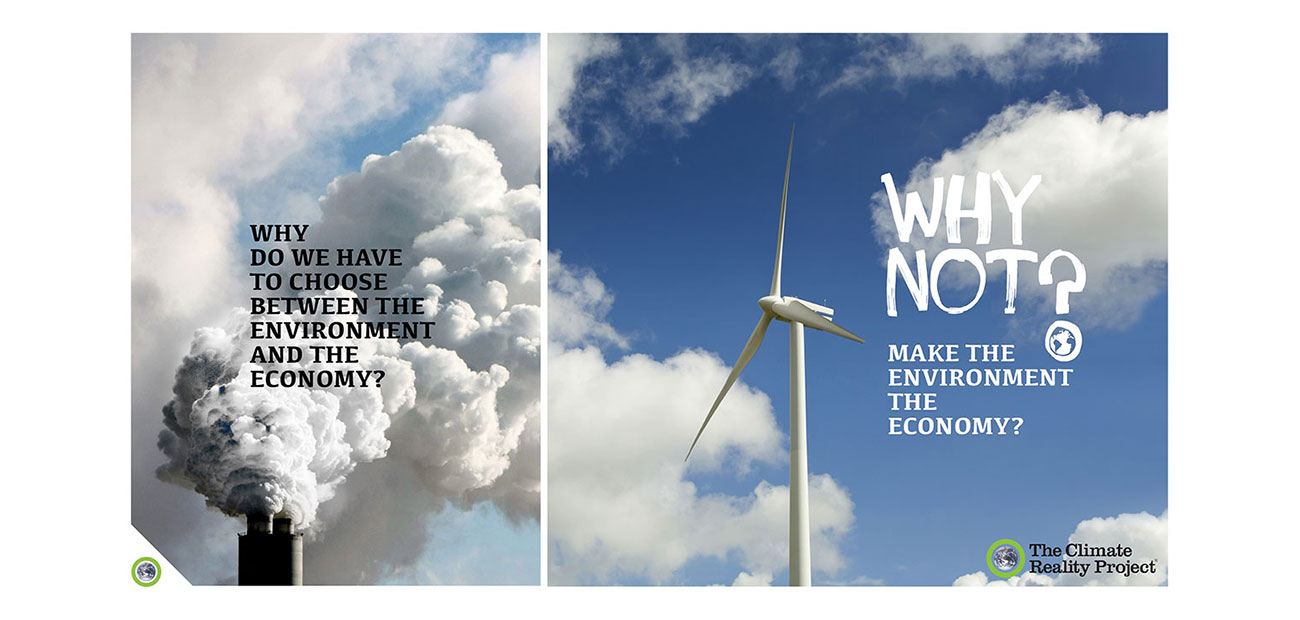
WHY-WHY-NOT-MELBOURNE2-4_0We hear plenty of political chatter including the words “climate change.” This discussion among politicians isn’t about science. It’s about the power of money in politics.

The tactics of the moneyed class have been to attack the messengers who would reduce air pollution, presenting so many falsehoods about climate change it’s hard to keep up. (Here’s a list of 175 global warming and climate change myths and brief responses to them). By the sheer volume and repetition of falsehoods, people are beginning to believe there is doubt about the science of climate change. There isn’t much, if any, cause for doubt.

A lot is at stake. In Iowa more than half of our electricity is generated by burning coal, which creates a sickly brew of substances breathed in by people who live near the plants, and those down wind. These substances have names: oxides of sulfur, arsenic, beryllium, cadmium, chromium, mercury, nickel, dioxins, fine particulate matter, and others.

Air pollution is directly linked to the leading causes of death in the U.S., according to the Centers for Disease Control. A reduction in coal burning would yield an improvement in health outcomes, including a reduction in mortality from heart disease, malignant neoplasms, respiratory disease and stroke.

The latest target is, and has been for a while, the U.S. Environmental Protection Agency Clean Power Plan. First proposed on June 2, 2014, the plan represents a common sense approach to cut carbon emissions from power plants, setting rules for the first time. While the political class pursues an agenda that would weaken the plan, and at worst continue to allow coal burning operations to dump an unlimited amount of carbon pollution into the atmosphere, their actions are based on moneyed interests, not science or the benefits to people living in society.

While eyes focus on the Clean Power Plan, what is missed is it is only the first of multiple actions needed to reduce air pollution in a way to improve human health. In particular, EPA should develop strong standards that would reduce the leakage of methane from oil and gas operations.

Because the discussion is about the power of money in politics, and not about developing rational or logical approaches to solving problems that affect real people, the EPA’s efforts under the Clean Air Act are under constant attack from the supporters of the fossil fuel industry and their ilk. The plain truth is intransigent interests have a lot of money and are willing to spend it on protecting their assets.

“God’s still up there,” said U.S. Senator James Inhofe (R-Oklahoma) on Voice of Christian Youth America’s radio program Crosstalk with Vic Eliason, March 7, 2015. “The arrogance of people to think that we, human beings, would be able to change what He is doing in the climate is to me outrageous.”

Because corporate media is obsessed with conservative politics we hear more about the arrogance of environmentalists than about the influence of money in politics. This summer Pope Francis is expected to release his encyclical about the need for climate action to protect our home planet. We don’t need religious leaders to see the obfuscation of the truth that air pollution is having a deleterious effect on human health. We can and should do something about it, and it begins with developing the political will to take action.

Nov. 30 the United Nations will convene the 21st Conference of the Parties (COP 21) in Paris in hope of reaching an international agreement on climate. Each country is to create its own goals to mitigate the causes of climate change. Whether the U.S. will be able to develop meaningful goals and ratify an agreement made in Paris is an open question. If the current U.S. Senate has their way, little or no action would be approved coming from COP 21, just as the preceding Kyoto Protocol was never ratified.

Robert F. Kennedy famously said, “There are those who look at things the way they are, and ask why… I dream of things that never were, and ask why not?” The scientific knowledge and technology to address the climate crisis has been emerging. Because cost-effective solutions to reduce our reliance on fossil fuels are rapidly becoming reality, it is time to use our power as an electorate to demand our elected officials take action.

It can start with a phone call or email to our U.S. Senators urging climate action. Importantly, we can challenge the myths we hear in our daily lives, and work toward reducing the influence of money in politics. There is plenty we could do, and Earth is hanging in the balance, waiting for us to act.

Categories
Environment Living in Society

Al Gore Comes to Iowa

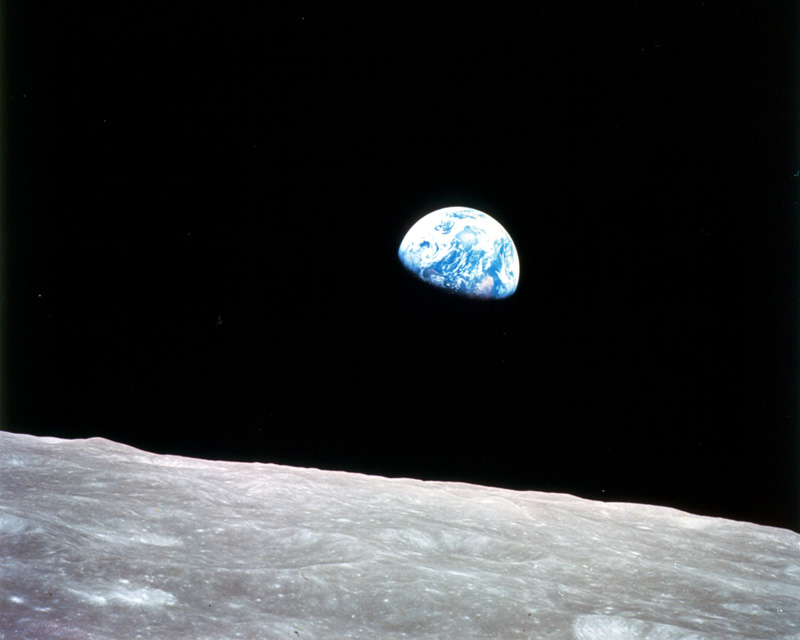
Earthrise 1968
Earthrise 1968

CEDAR RAPIDS, Iowa– Al Gore held up a T-shirt presented by a youth group from Indiana that said, “Ask me about my future.” The context can be political, even if the presenters intended the question be about the environment.

Gore joked about wearing the T-shirt in Iowa and what it might mean during the run up to the 2016 Iowa Caucuses. During the 28th training of climate activists for The Climate Reality Project, he made clear he was a “recovering politician” and had no plans to run for president again.

Why did Gore pick Cedar Rapids for his first North American training since 2013? Five reasons.

It is partly about influencing the presidential selection process related to Iowa’s first in the nation political caucuses. By training Iowa activists, he hopes to make the voice for climate action heard by candidates for president.

It’s about extreme weather events including the 2008 Iowa flooding and recovery. The conference used space that was under water during the flood and heard from Mayor Ron Corbett about what the city did to repair the damage of the flood.

It’s about bringing a focus on the impact of climate change on agricultural issues in the breadbasket of the world.

It’s about Iowa’s success in development of renewable sources of electricity, wind energy in particular, but solar as well.

It’s about advocating for world governments, including the U.S. government, to make meaningful commitments to climate action at the United Nations 21st conference of the parties in Paris, France this December.

There was a lot to discuss and Gore was generous with his time, speaking multiple times each day of the conference. The significance of its 350 attendees from around the world, 75 of whom were from Iowa, is hard to miss. The movement for meaningful governmental action to mitigate the causes of global warming and related climate change is gaining momentum worldwide.

Here are some takeaways from the conference:

The people at my table, and attendees generally, are already doing a lot to raise awareness of the need for climate action. They are possessed of a high level of energy and are really smart people devoted to taking climate action.

The price of solar electricity is plummeting and installation of photovoltaic arrays is growing exponentially. In some parts of the world solar reached grid parity, and this, coupled with other sources of renewable energy, will drive the end of the era of fossil fuels.

The Iowa Soybean Association had a seat at the table, which a few years ago would not have happened. Christopher Jones, an environmental specialist for the group, said they had begun to change their thinking about global warming during the last year. If this is borne out by their actions, it would be a tidal shift for the big agricultural organizations.

Gore added information about Iowa to his already encyclopedic knowledge of global warming and related climate change. He spoke about everything from extreme floods and droughts that have hit Iowa, solutions implemented here—particularly wind and solar electricity generation, and current political issues, including the eminent domain legislation working its way through the last days of this Iowa legislative session.

A member of Citizen’s Climate Lobby asked Gore why he hasn’t endorsed the fee and dividend scheme they propose. Gore responded he favors putting a price on carbon, there are multiple mechanisms to do so, and he hasn’t finished research to determine which one(s) to endorse.

The political will to take climate action is building worldwide. The election this week of Rachel Notley as provincial premier in Alberta, Canada, where the long ruling Progressive Conservative party was oustered by her New Democratic Party is a prime example. “During the campaign, Notley promised to withdraw provincial support for the (Keystone XL pipeline) project, raise corporate taxes and also potentially to raise royalties on a regional oil industry already reeling from the collapse in world prices,” according to the Guardian.

Finally, there is hope. The solutions to the climate crisis are working. Renewable energy is beginning to take off, gain broader acceptance, and reach toward grid parity. Almost no new coal-fired electricity generating stations are planned for North America and old ones are being shuttered. We are not there yet, but Gore’s training and inspiration made the journey easier for us, and encouraged us to tell our own story about why it is important to take climate action before it is too late.

There is no planet B.

“We couldn’t even evacuate New Orleans as hurricane Katrina approached,” Gore said.

Earth is our only home, and is hanging in the balance. It’s up to us to protect it.

Categories
Environment

Climate Reality in Iowa – Go Solar

WHY-WHY-NOT-MELBOURNE2-4_0CEDAR RAPIDS, Iowa– On the first day of the Climate Reality Leadership Corps training founder Al Gore gave his slide show, an updated version of the one used in the film An Inconvenient Truth. It’s the third time I’ve seen him perform in person, and there were differences in emphasis, but the big message of day one came from the panel on renewables and policy.

“Go solar,” said Warren McKenna, president of Farmers Electric Cooperative, Kalona.

In significant ways, these two words sum up what’s needed to meet world energy needs, replace fossil fuels, and move civilization toward sustainability.

In an hour, sun shining on Earth provides enough energy to meet our collective needs for a year. Whether we realize it or not, fossil fuels represent ancient sunlight stored for millennia in the ground. According to multiple speakers yesterday, most of proven reserves of fossil fuels cannot be burned if we seek to retain Earth’s livability.

What makes solar an attractive solution to the climate crisis is the cost of installation is plummeting. At the point solar electricity generation reaches grid parity it will be an easy financial argument to make that fossil fuels should stay in the ground in favor of the less expensive alternative.

Companies such as Berkshire Hathaway Energy (BHE) already like solar, wind and other renewable energy generating capacity.

BHE accounts for six percent of U.S. wind electricity generating capacity and seven percent of solar according to Warren Buffet’s 2014 letter to shareholders.

“When BHE completes certain renewables projects that are underway, the company’s renewables portfolio will have cost $15 billion,” Buffet wrote. “In addition, we have conventional projects in the works that will also cost many billions. We relish making such commitments as long as they promise reasonable returns–and, on that front, we put a large amount of trust in future regulation.”

Solar is not without it’s problems. Natural resources must be exploited to make photo-voltaic panels, and the issue of conflict minerals continuously gets pushed aside. There are manufacturing, labor and transportation issues with solar. Problems notwithstanding, the argument for solar boils down to do we want a future, or not?

What we know is dumping 110 million tons of CO2 pollution into the atmosphere every day is not sustainable, and already we are seeing the impact of global warming and related climate change damage the lives of tens of millions of people.

There are no simple answers to solving the climate crisis. As industry demonstrates the viability of renewable energy, the only thing holding us back is a lack of political will to take unavoidable steps to mitigate the causes of global warming.

The economic argument provided by declining solar electricity generating costs will be a potent weapon in the political fight.

Categories
Environment

Climate Reality Project Returns to North America

the-climate-reality-project-logoCEDAR RAPIDS, Iowa– More than 350 people from around the globe convene here for the Climate Reality Leadership Corps’ 28th training beginning Tuesday, May 5.

The group is kicking off its North American advocacy effort for firm and substantial governmental commitments to climate action at the 21st United Nations Conference of the Parties (COP-21) to be held in Paris, France on Dec. 11., said Mario Molina, director of the 7,500-member international group of climate activists. Additional trainings are being held this year in Florida and Toronto, Canada to jump-start the effort with 1,000 newly trained climate leaders in advance of COP-21.

They are also here because of Iowa’s first in the nation political caucuses to make sure the need for climate action is heard by the field of presidential hopefuls traversing the state.

On Monday, May 4, State Senator Rob Hogg, a speaker at the training, pointed out in an email that three presidential candidates will be visiting Cedar Rapids this week. He encouraged readers to question the candidates about climate change.

“This gives us an opportunity to tell the candidates that Iowans are concerned about climate change and perhaps even ask the candidates questions about climate change,” Hogg said.

He provided a schedule and possible questions for the candidates.

Tuesday, May 5, 4:30 p.m. – Candidate Ben Carson of Florida (formerly of Maryland and Michigan) will be speaking at the Cedar Rapids Marriott, 1200 Collins Road NE, on Tuesday, May 5, at 4:30 p.m. He will be joined by Congressman Rod Blum. This is a chance to speak with Congressman Blum as well as Carson.

Thursday, May 7, 7:30 a.m. – Candidate Carly Fiorina of California is scheduled to speak Thursday, May 7, from 7:30 to 8:30 a.m. at the Blue Strawberry, 118 2nd St. SE, in downtown Cedar Rapids.

Thursday, May 7, noon – Candidate Mike Huckabee, former governor of Arkansas, is scheduled to speak at the Pizza Ranch, 2450 Westdale Dr., in southwest Cedar Rapids, on Thursday, May 7, at noon.

Hogg suggested these questions for the three Republicans:

Did you agree with President Reagan’s decision to sign the Montreal Protocol on stratospheric ozone depletion, and if so, would you support similar international agreements to fight climate change?

Are you concerned about climate-related disasters like record flooding in Iowa, record drought in California, and sea level rise, and if so, what would you do about it?

Climate Reality Project founder and former Vice President Al Gore is expected to be present for the three days of training. Part of the training is related to his slideshow about the science and human impact of climate change, an updated version of the one used in the movie An Inconvenient Truth. He is also expected to meet with key political figures regarding the need for climate action while in Iowa.

About 75 of the training attendees are Iowans, so there is hope the need for climate action can be kept in front of politicians during the 2016 election cycle.

To learn more, visit ClimateRealityProject.org.

Categories
Environment

Join The Climate Reality Iowa Training

Iowa TrainingOn Tuesday more than 400 people joined a webinar titled, “Change Starts with You: Becoming a Climate Reality Leader,”  hosted by the Climate Reality Project in advance of the May 5-7 training in Cedar Rapids.

The Climate Reality Leadership Corps already has more than 7,000 members from 125 countries since its beginning in 2006. It seeks to add another 3,000 in this year’s North American trainings in Cedar Rapids, Iowa, Miami, Florida, and Toronto, Ontario.

Attendees are expected to travel to Iowa from around the globe to be a part of the Climate Reality Project.

“Solving the climate crisis is within our grasp,” said Al Gore, founder and chairman, The Climate Reality Project. “We need people like you to stand up and act.”

Change Starts With YouBlog for Iowa received the following letter about the Iowa training:

I’m following up today from The Climate Reality Project. We are an organization started by former vice president Al Gore and focused on creating a global movement to influence action on the climate crisis. We have an upcoming training opportunity that I believe you and members of your organization will be interested in.

On May 5-7 in Cedar Rapids, Iowa, we and Mr. Gore will be hosting a training for new Climate Reality Leaders to help grow the movement. As you well know, United States leadership is critical as we travel the Road to Paris in preparation for December’s COP21. There has never been a better time to engage people in the U.S. and around the world on solutions to one of the world’s most important issues.

The training in Iowa will highlight the U.S.’s important and unique role in the COP21 negotiations, climate impacts on agriculture in Iowa, and Iowa’s ability to be a leader in renewable energy sources such as wind.

Applicants are accepted on a rolling basis with the applications due no later than April 13.

To apply, please visit: http://www.climaterealitytraining.org/iowa/apply.php

Please contact me with any questions or more information. I hope you and your colleagues will want to join the network of over 7,000 Climate Reality Leaders from 125 countries taking action on the climate crisis.

Thank you for your time!

Best,

Joseph Moran | Program Assistant-Climate Reality Leadership Corps
Email: joseph.moran@climatereality.com

the-climate-reality-project-logo

Categories
Environment

Interview with Ed Fallon

Bakken-Pipeline-Proposed-RouteBlog for Iowa caught up with Ed Fallon in Iowa City at a March 11 fundraiser for his Iowa Pipeline Walk along the proposed route of the Dakota Access oil pipeline from the Bakken shale formation through Iowa to Illinois.

Fallon presented a slide show of his experiences on last year’s Great March for Climate Action across the U.S., and answered questions during an event attended by about 35 supporters.

Discussions ranged over a variety of related topics. Two seemed most important: eminent domain and an environmental study of the Dakota Access pipeline.

Rep. Bobby Kaufmann (R-Wilton) is leading a bipartisan effort to restrict use of eminent domain by private companies like Dakota Access in Iowa.

“I intend to introduce legislation in the Government Oversight Committee,” Kaufmann said in an email to constituents. “My committee is funnel proof and next week I will introduce an Eminent Domain Omnibus bill that will attempt to address the numerous eminent domain abuses going on throughout the state.”

When asked about the legislation, Fallon acknowledged the several bills filed regarding eminent domain had not yet been finalized into one.

“My biggest hope is it defines public use so clearly that you can’t come in and build a pipeline across Iowa and use eminent domain to build that,” Fallon said. “Because it’s not oil that’s being used here, it’s not being produced here, it’s being refined in Texas and shipped for the most part overseas.”

A bipartisan group of legislators sent a letter to the Iowa Utilities Board asking the regulatory body commission an environmental impact study of the proposed Dakota Access oil pipeline.

According to the Cedar Rapids Gazette, the letter raised eight concerns:

1. Safety risks and hazards associated with the product(s) to be transported through the pipeline;

2. Potential damage to water, land, soil, water, air and wildlife/wildlife habitat during construction;

3. Threats to the environment, farmland, wildlife and public health as a result of spills or explosions;

4. Spill prevention and clean up provisions;

5. Liability for damages to both public and private property and sufficiency of resources to cover such liability;

6. Adequacy of inspection/monitoring/enforcement mechanisms and resources;

7. Responsibility for planning, training, and equipping for emergency response;

8. Indirect impacts of the oil extraction process facilitated by the pipeline that may affect public health and safety as well as environmental security.

“If studying the environmental impact is something we do before we decide to move forward on this, then that has value,” Fallon said. “But if it’s something we do after the fact, after the damage is done, after the decision is made, then it’s kind of a moot point.”

During the question and answer session, Jack Knight of the Allamakee County Protectors indicated that delaying the IUB approval process through an environmental study was a valuable tactic in preventing the oil pipeline from being built.

Opponents of the Dakota Access oil pipeline have a bigger issue and Fallon touched upon that during our interview.

“Based on what the entire scientific community is telling us, that oil needs to remain in the ground,” he said. “Really this conversation about the pipeline is a sidebar, but a really important one.”

For more information about Fallon’s work, Blog for Iowa recommends, “Hitting the Pavement,” in the March 16 issue of the Newton Daily News, or follow him on FallonForum.com.

~ Written for Blog for Iowa

Categories
Environment Living in Society

Monday Before Spring

Garage Wall
Garage Wall

Winter persists—mostly because of its recent vigor.

Half a dozen bald eagles stood on the ice at the Coralville Reservoir yesterday while I drove to work. Perhaps they were fishing a section of open water near the bridge. Perhaps they were waiting for spring to arrive before departing. They were still there on the drive home.

I planted the first seeds in trays last week: broccoli, basil and celery. I’ve been parking my car in the driveway leaving the garden workshop set up inside. It will be that way for a few weeks, although I hope to accomplish a lot during the work day planned for Friday.

It feels like elected officials, especially those from fossil fuel producing states, have crawled into the barn of my life over the winter.

Mitch McConnell (R-KY), a proponent of coal mining and use, is not new, but there’s more. Ted Cruz (R-TX) is now overseeing NASA and wants to focus more on space than on studying Earth. Perhaps he want to seek a Planet B where we can live after his ilk have thoroughly pillaged this one. James Inhofe (R-OK) heads up the Environment and Public Works Committee, and halted any possible action to mitigate the human causes of climate change. Sen. Tom Cotton’s (R-AR) letter to Iran meddles with negotiations that have been years in the making, involving substantial coalition building. The Senate Foreign Relations Committee under Bob Corker (R-TN) seeks to pass a law to force the administration’s hand in Iran. Corker did not sign the Cotton letter in hope of building a veto-proof bill in the senate.

Maybe we should invoke Saint Patrick to drive the snakes out.

The trouble is even a saint would be pressed to deal with this crowd.

War is PeaceElections matter, and the public doesn’t really care unless it affects them personally. That’s one take that provides a bit of sanity, but only for a while.

It is like we are in a dream in which the meaning of everything is unhinged. “War is peace. Freedom is slavery. Ignorance is strength,” as George Orwell wrote in 1984. “In a time of universal deceit—telling the truth is a revolutionary act.”

We are not yet revolutionaries, although maybe we need to be.

Theodore Roosevelt said it well.

“No man can be a good citizen unless he has a wage more than sufficient to cover the bare cost of living and hours of labor short enough so that after his day’s work is done he will have time and energy to bear his share in the management of the community, to help in carrying the general load.”

The power in Washington and on Wall Street is everywhere endeavoring to suppress this basic American instinct.

We must resist as spring comes to Iowa.

Categories
Environment

Climate Reality Project – Iowa Training

Paul Deaton(NB: I submitted this brief bio to The Climate Reality Project to be posted on the web site as part of the promotion of the Iowa training May 5-7). Paul Deaton of Solon, Iowa retired in 2009 after a career in transportation and logistics, seeking a way to sustain a life in the rural community he calls home. He became a Climate Reality Leader in Chicago in 2013 as a continuation of advocacy work he had been doing since his participation in the first Earth Day on April 22, 1970.

“Iowans see the effects of global warming and climate change in their daily lives, but often don’t get beyond discussing the weather,” he said. “The understanding of global warming and its impact on severe weather events I gained at the Chicago training has been invaluable in increasing awareness of how weather is connected to climate.”

Becoming a Climate Reality Leader provided tools and resources to address everyday concerns about Iowa’s record flooding, severe storms and changes in the hydrologic cycle. As an agricultural state this matters.

Home of the first in the nation Iowa caucuses, there is a political tone to many conversations about our environment.

“I’m proud to be a part of the Climate Reality Project and the work of sustaining our lives in a turbulent world.”

This is how The Climate Reality Project edited my submitted comments:

Paul Deaton knows that if you want proof of climate change, all you need to do is ask a farmer. As a native of Iowa, Paul has seen how farmers and rural communities have had to face the devastating effects of climate change. In 2009, Paul retired from his career in transportation and logistics to advocate for sustainable ways to support life in the rural community he calls home.

Paul has played an active role in his community, including being elected as a Township Trustee, serving on the county Board of Health, and serving on the Boards of multiple non-profit organizations.

Paul joined the Climate Reality Leadership Corps at our training in Chicago in 2013 where, he says, he received “the tools and resources to address everyday concerns about Iowa’s record flooding, severe storms and changes in the hydrologic cycle.” Since then, he has given presentations to community groups across Iowa, helping them connect the dots between recent extreme weather events, climate change, and agriculture.

Environmental advocacy is the centerpiece of Paul’s volunteer efforts, and he is “proud to be a part of the Climate Reality Project and the work of sustaining our lives in a turbulent world.”