Categories
Living in Society

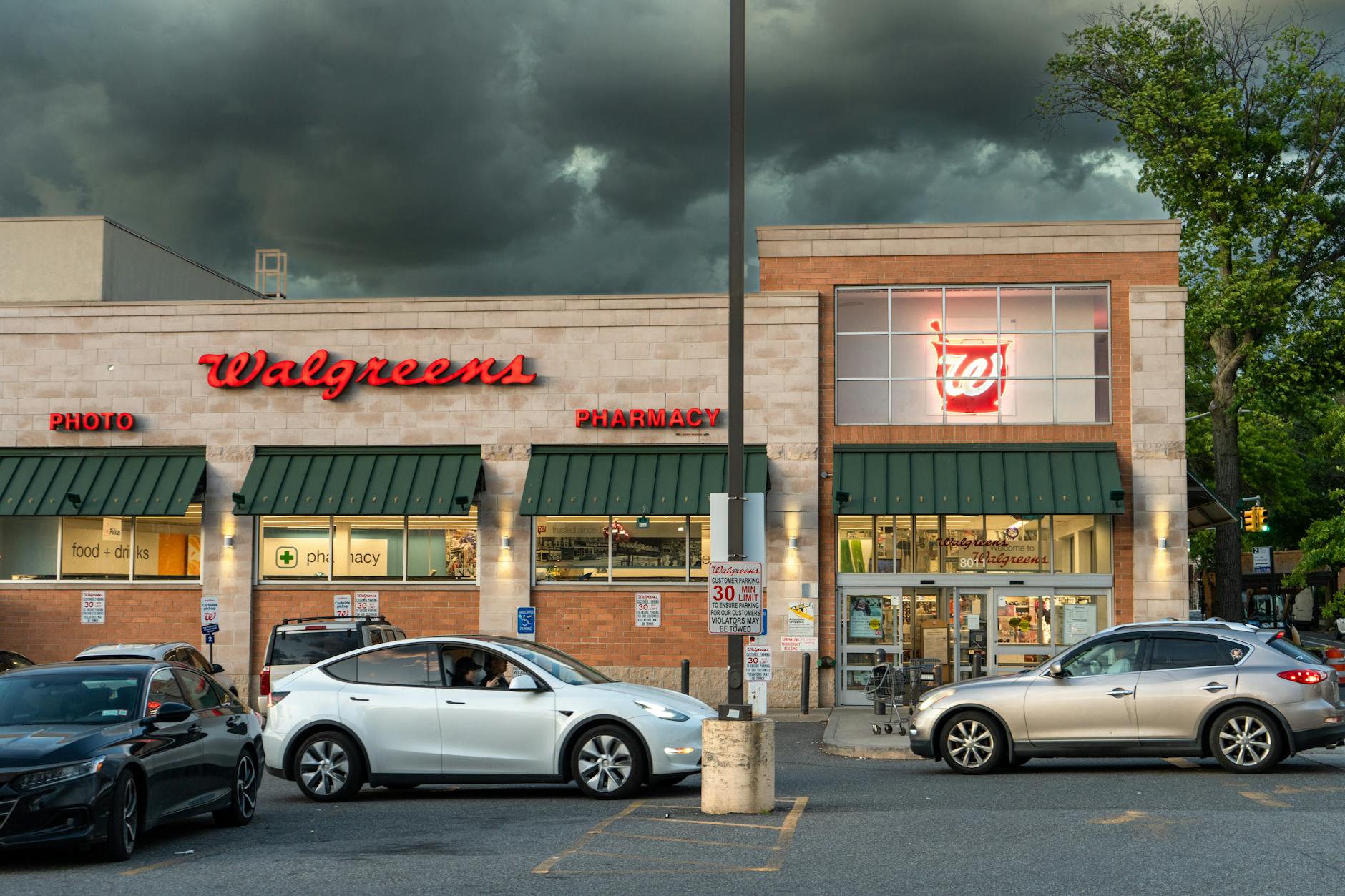
We’re Going Home – Walgreens

Photo by Yuugen Rai on Pexels.com

The deal for private equity firm Sycamore Partners to buy Walgreens closed on Aug. 28. We know what that means.

Private equity will restructure the company, sell off what parts it can, restructure real estate holdings, close stores, layoff employees, and increase company debt, while making their executives an obscene amount of money. Walgreens bankruptcy seems likely in the near-term future based on what happened with companies like Toys R Us. Sycamore Partners’ deal is leveraged with “more than double the average debt level used by private equity firms to acquire companies last year,” said U.S. Senator Elizabeth Warren in a letter to them. All of this is what private equity does in the United States. It does not contribute one whit to improving the consumer economy. Importantly, some consumers will lose access to pharmacy services when stores close.

On my way to the wholesale club I pass two Walgreens stores, which seems like a lot. I notice neither of them is within walking distance of residential housing. In other words, they depend upon our automobile culture. A person doesn’t go to Walgreens except to get something specific. This kind of shopping faces competition from online retailer Amazon where we can point, search and click to have a product Walgreens may or may not carry delivered to our home within a day or two. Amazon trucks are ubiquitous in our rural neighborhood. We see them more often than we think of going to Walgreens, whether or not we buy from them.

I have a Medicare Part D prescription drug plan and the company that administers it dictates which pharmacies are available to me. I wanted to use the nearest pharmacy to support their small business but they weren’t on the list. I picked the warehouse club because I go there twice a month for groceries anyway and getting my prescription would save a trip. The last time I went inside a Walgreens, it was because they are a UPS drop off point. I have also shopped there to review their large inventory of over the counter medications to find a specific dosage of vitamin B-12. They did not have it, so I got it by mail order from the manufacturer.

When I was a grader we had a locally owned drugstore with a pharmacy a block and a half from our home. In the mid-1960s, whenever I had extra money from my newspaper route, I would go in there to see what they had. Mainly, I looked for reading material (comic books or paperback novels) and candy. I was infatuated by baseball cards sold with a stick of bubble gum. Over the years, the drug store disappeared as automobile culture and larger scale retailers influenced our shopping. During the ten years I lived there, they were a part of the cultural landscape. In part, discounters like Walgreens contributed to their demise.

The only person I knew who depended upon Walgreens was my maternal grandmother who lived in downtown Davenport. There were no grocery stores there — today we would call it a food desert — but Walgreens sold a few grocery items like milk, butter, eggs, bread, and selected canned goods, all of which she bought. Without an automobile, it was a big production for her to visit a supermarket, involving a bus ride or having a relative pick her up and take her there. She got her prescriptions from Walgreens which was within walking distance.

Access to Walgreens is not important to me. I buy all of my bandages, ointments and sundry health items at the pharmacy in our nearby city. We went without a pharmacy for a while, and I’d like to see them be successful. Thing is, I don’t buy $100 of sundry items from them in a year, so Walgreens or no, it has been a struggle for them to survive.

The world we knew continues to change. Some parts of the future are hopeful and some definitely are not. Big Pharma will figure out how to sell us their medicines. As Walgreens begins the slow dance toward going out of business, I accept it as the failure of large retail franchises that can’t compete with Walmart or Amazon. It is a condition of modern society, and retail in particular. I hope they make it yet doubt they will. There are other causes than saving Walgreens that deserve my attention more.
Categories
Creative Life

Changing Book Stores

Photo by Joshua Brown on Pexels.com

When the email from Macmillan Publishers arrived I knew I would purchase The Devil Reached Toward the Sky: An Oral History of the Making and Unleashing of the Atomic Bomb, by Garrett M. Graff. I immediately logged in to Amazon and found I could order it to be delivered the next day, on publication day (Aug. 5, 2025), for full price. I hit the pause button. Didn’t I tell myself I was going to slow down my ordering from the behemoth book seller?

Next I found the website for a local bookseller who was offering pre-order for delivery to the store also on Aug. 5. It was also full price, so I said what the hell. No time like the present and ordered it on their website. It was an experience compared to Amazon.

First, when I received my automated order confirmation, it was detailed, giving me everything I needed regarding the order: tracing, question outreach, price, and so on. One curious bit was the order showed being from an outfit called BookPeople, which is a large independent bookseller located in Austin, Texas. Austin is less like the rest of Texas, so I am okay with that. Besides, I assume my local bookshop does what it must to reduce acquisition cost and build margin on sale. Both of those are necessary to stay in business. So far, so good.

Next came the email from the local bookstore. It was sent by an individual at the store to advise me they would notify me when the book arrived. Nice personal touch.

All was going well when my contact reached out with this message: “The Devil Reached Toward the Sky has arrived and I have set aside a copy for you at the back information counter. All of the copies which we received were damaged so I picked out the least damaged one to set aside for you. Have a look at it and we will order another copy for you if you don’t like this one.” Seriously? Well, it is not my bookseller’s fault the book was damaged in shipment, so I started a string of emails, which turned into text messages. The text exchange took 30 minutes and included photos of the damage and discussion of price for damaged goods. We were able to work it out and I drove the 25 minutes to the county seat to pick up the book, paying cash.

If a book got damaged with Amazon, I know the drill. I contact them and would get disposition instructions while they credited my account and shipped another book. Most likely, if I had to return it, I would have had to drive to their return consolidation point at a local big box store. Goods damaged in shipping is always a hassle and the blame always lies with the party that packaged and did the shipping. It is a rare occurrence to receive damaged goods from Amazon.

I will just assume this situation is a one-off and will order new books I want to add to my library locally, especially when there is no price difference. I don’t like taking so much time dealing with a local store, yet hopefully we will get to know each other better and develop a relationship. When my annual book-related budget is about $1,000, it’s not like I am the biggest fish in the sea. It is one more way I can spend more of my life relating to people, even if it’s because of a glitch in the process.

I’m confident I can break my Amazon habit.

Categories
Living in Society

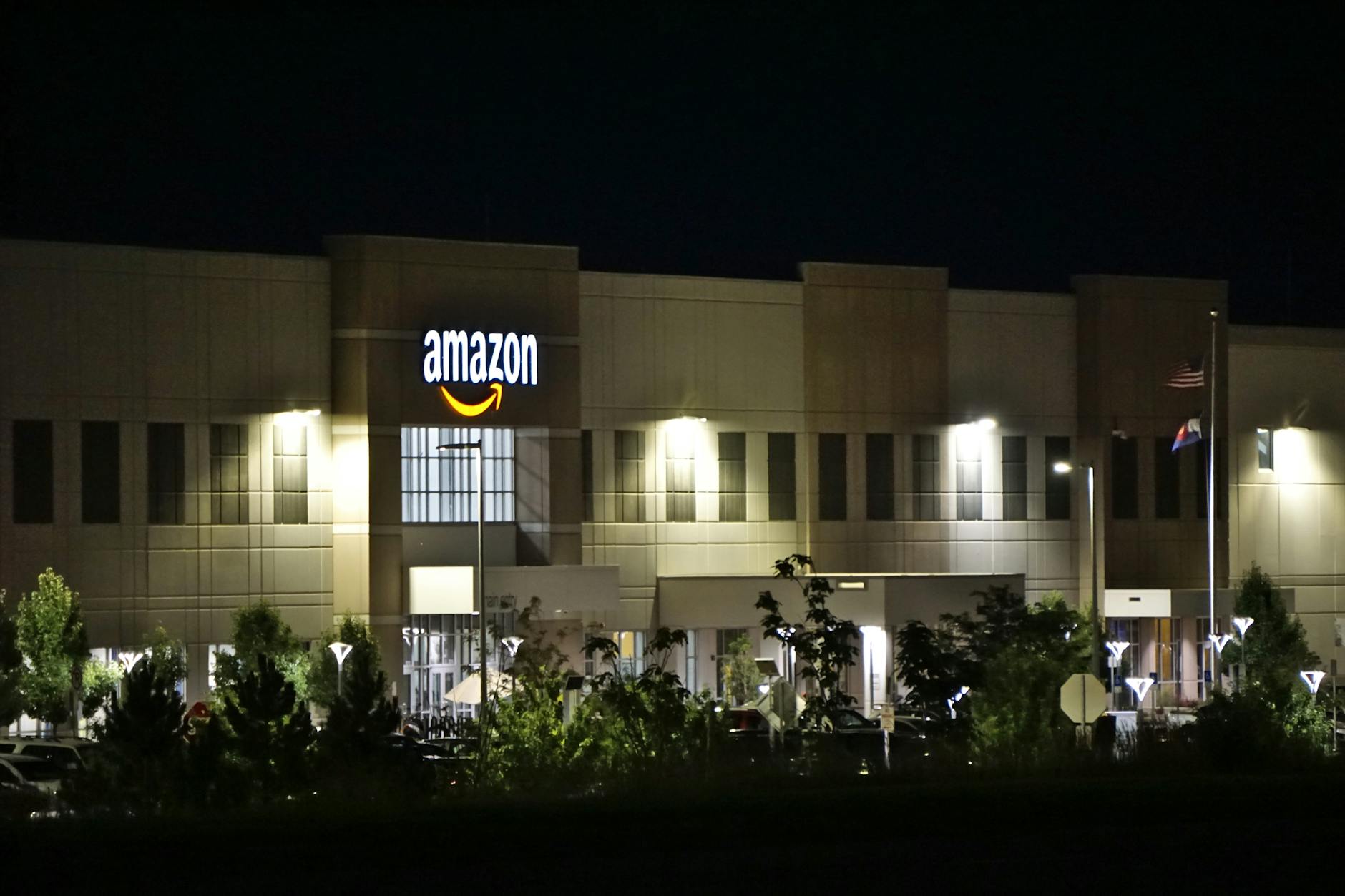
Mail Order Life

Photo by Brett Sayles on Pexels.com

When we live in rural Iowa, mail order remains important to our way of life. Shopping by mail has changed since I was a child. In addition to the United State Postal Service, there are Amazon, FedEx, UPS and other company trucks delivering in the neighborhood almost daily. The fact is, much of what I need to operate our household is not available in the city of 3,000 souls near our residence. Mail order is the most efficient way to find what I need, compare price, and receive goods in a timely manner.

Amazon is rightly the whipping post for all that is bad about modern mail order. The company is very large, and has a monopoly on what they do. They are hard on workers. The online retailer has made its owner one of the wealthiest men on the planet, and the upward flow of weallth to already rich people is an essential problem for society. After a family conversation I decided to do something about Amazon in my life.

I looked at my Amazon purchases because I agree, at least in part, about their labor abuses. The book I just read, Nomadland, described the lifestyle of people who travel the country in mobile living vehicles and do temp work, including at Amazon warehouses during the push right before Christmas. The author does not paint a positive picture of working conditions, even if many people rely on that temp work to live. Amazon warehouses are already staffed with robots for certain tasks and the expectation is more humans will be replaced in the near future. For now, the temp jobs fill an economic need for these nomadic workers.

I spent $1,309.27 at Amazon this year, in 43 orders, or $194 per month. Here’s what I’m willing to do: a. cut back on the number of orders to no more than two per month (down from 6.4 per month). b. I plan to cut my overall spending in half.

While some purchases are unavoidable because the item (like the corded electric lawn mower) are simply not available here, I can reduce the amount of foodstuffs I get at Amazon and buy locally when I’m already at the market. Likewise, I have less need to own books. In writing my second book, there are plenty of research materials in our home library and we have a good public library for non-writing related reading.

So that’s the plan. Not too fancy, yet with specific goals. Hoping this will cut back on Amazon enough to improve my life. Mail orders will continue, yet hopefully better managed. Fingers crossed!