Categories
Sustainability

Going Alone on Climate

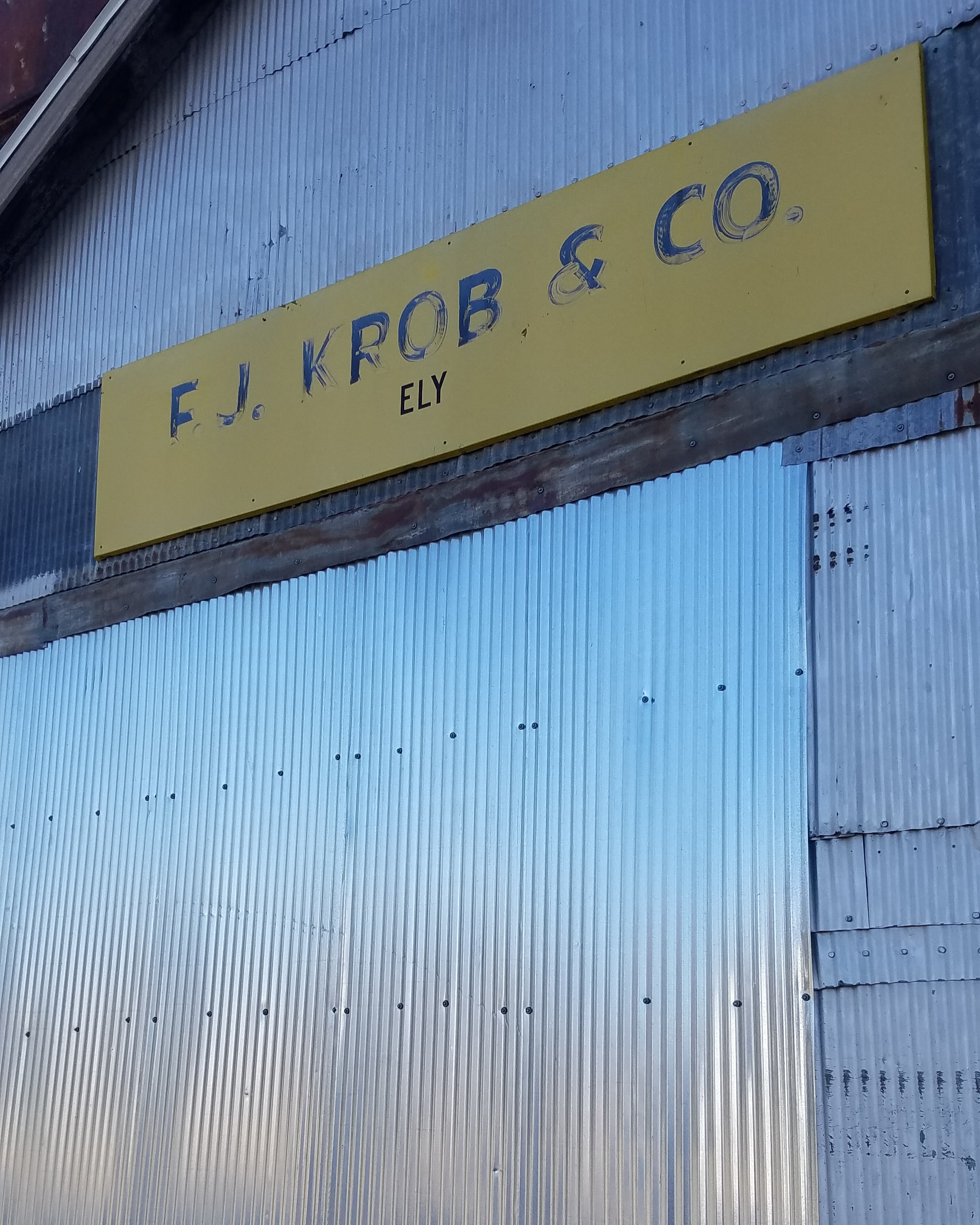
F.J. Krob and Company grain elevator. Ely, Iowa.

The 2020 general election produced a poor result for battling our biggest problems: income inequality, the climate crisis, environmental degradation, racial justice, nuclear weapons proliferation, and the coronavirus pandemic — even with election of a Democratic president. All of these issues are important yet the most significant is acting on the climate crisis.

Yesterday the United States formally exited the United Nations Framework Convention on Climate Change. While waiting for votes to be counted, Candidate Joe Biden said, “Today, the Trump Administration officially left the Paris Climate Agreement. And in exactly 77 days, a Biden Administration will rejoin it.”

German Budestag member Karl Lauterbach noted the results of the American election this morning, saying they set up gridlock in which “Biden hardly gets a law through, least of all in climate protection. Europe has to go alone.”

It’s not possible for any state to successfully go alone.

The failure of Democrats to secure a Senate majority makes the work more difficult. We know what Senate Majority Leader Mitch McConnell will do as we saw him obstruct the legislative goals of the last Democratic administration when Republicans were in both the minority and majority. While the work will be difficult, now that voting is finished, it must begin.

Wednesday morning, Jen O’Malley Dillon, Biden-Harris campaign manager, and Bob Bauer, campaign adviser for voter protection, laid out the path to 270 electoral college votes and Trump efforts to suppress vote counting. After waking up with not enough sleep and in a fog, the information was assuring. Biden won the election and once the votes are counted it should be revealed. Now what?

The clear message from this election is there is too little work being done to move toward consensus on important issues. Of my list above, there is denial that any of them are problems. As if people say, “I’ve got mine, and that’s enough.” While I can devote time to advocacy it means little if I don’t bring others along with me. By “others” I mean people who currently don’t agree with me.

The ambient temperature was 50 degrees so I donned my riding shorts, took the bicycle down from its ceiling hooks, and aired the tires to 90 psi. I rode 13.7-miles to Ely and back to get things going after missing daily exercise on Tuesday while at the polling place. The long, straight stretch of trail from the roundabout to Ely was a chance to get some thinking done. After descending the steep hill beginning at Highway 382, I entered the zone and miles passed quickly. Not sure how much thinking I did, yet the sun and wind felt good as I pedaled and rolled north. A new beginning.

While coalition building begins alone, that’s not how it will end. It’s hard to know who will join. I helped build diverse, successful coalitions before and believe we can do it again. That work begins today.

When Joe Biden said the 2020 election was about “the soul of the nation” he got it right. Who will we be as Americans? For too long our worst impulses have dominated our public life. As a nation, we are better than that.

Abraham Lincoln said in his first inaugural address, “I have no purpose, directly or indirectly, to interfere with the institution of slavery in the States where it exists. I believe I have no lawful right to do so, and I have no inclination to do so.” What we know now is Lincoln signed the Emancipation Proclamation a few years later. Was he being disingenuous? No, clearly not. He did what was needed to bring the Southern states, which had seceded, back into the imperfect union the United States represented since its founding. So it may be with addressing our most significant current challenges going forward.

We don’t want to upset the apple cart of public opinion as represented by the 2020 election results, but we must. It will be complicated and challenging, beginning with the idea going it alone solving society’s problems is no longer an option.

Categories
Sustainability

UN Treaty on the Prohibition of Nuclear Weapons Ratified

The weekend has been a stream of emails from friends leading to ratification of the United Nations Treaty on the Prohibition of Nuclear Weapons (TPNW).

On Oct. 24, Beatrice Fihn, executive director of the International Campaign to Abolish Nuclear Weapons (ICAN), reported Honduras became the 50th state to ratify the treaty. This started a 90-day clock for the treaty to enter into force and become international law on Jan. 22, 2021.

Congratulations to everyone who worked to achieve this significant milestone.

What we have known all along is the nine nuclear states have scant interest in eliminating nuclear weapons, even if most of them give lip service to Article VI of the Non-proliferation Treaty which calls for it.

During the Obama administration activists fully understood the United States would not lead on abolition of nuclear weapons. ICAN, International Physicians for the Prevention of Nuclear War (IPPNW), The Bulletin of the Atomic Scientists, and others took the cause to the international stage and yesterday set the world on a more definitive path by making nuclear weapons illegal. The hard work now begins.

There remains a growing danger of nuclear weapons proliferation. In an Oct. 24 statement, reacting to the 50th state ratification of the TPNW, IPPNW laid out the risks:

The treaty is especially needed in the face of the real and present danger of nuclear war climbing higher than ever. The hands of the Doomsday Clock stand further forward than they have ever been: 100 seconds to midnight. All nine nuclear-armed states are modernizing their arsenals with new, more accurate and “useable” weapons; their leaders making irresponsible explicit nuclear threats. The cold war is resurgent—hard won treaties reducing nuclear weapons numbers and types are being trashed, while nothing is being negotiated to replace them, let alone build on them. If the Trump administration allows the New START Treaty to expire, then from 5 February 2021, for the first time since 1972, there will be no treaty constraints on Russian and US nuclear weapons. Armed conflicts which could trigger nuclear escalation are increasing in a climate-stressed world. The rapidly evolving threat of cyberwarfare puts nuclear command and control in jeopardy from both nations and terrorist groups. Close to two thousand nuclear weapons remain on hair-trigger alert, ready to be launched within minutes of a leader’s fateful decision.

~ Tilman Ruff, Ira Helfand, Arun Mitra, and Daniel Bassey—Co-presidents of IPPNW

This milestone is a moment for celebration as the plan to eliminate nuclear weapons comes together as well as it has since the United Nations was established 75 years ago. Whatever uncertainties there are in our global civilization — the coronavirus pandemic, economic injustice, and armed conflict — today there is hope for a better world. That’s worth noting.

Categories
Environment Writing

Lilacs Bloom in October

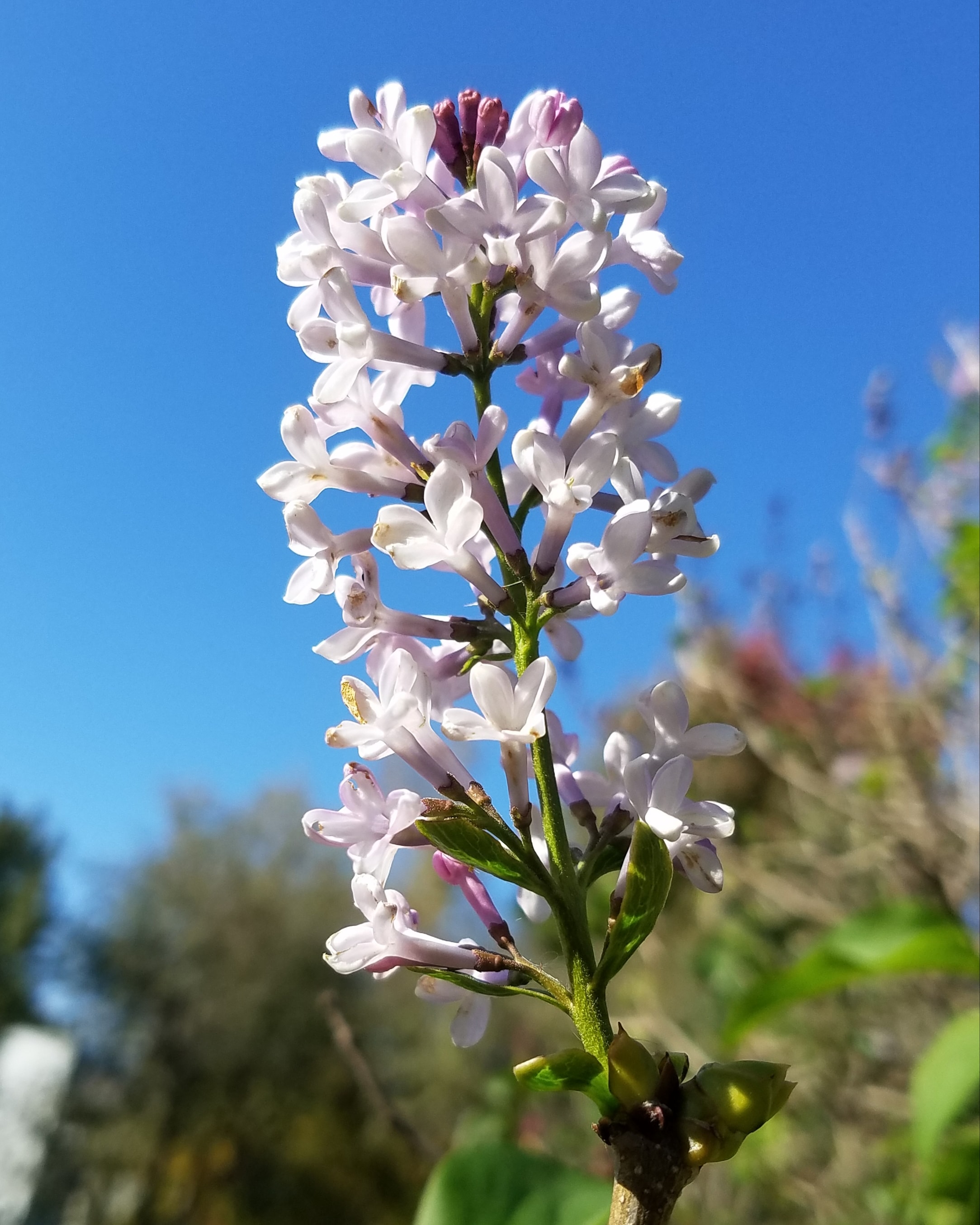
Lilac blooming on Oct. 6, 2020.

2020 has been stressful for trees and shrubs. Our lilac bushes are in bloom. It’s October.

I remember when autumn colors took my breath away. Stunning reds, yellows, greens and browns spread out across the other side of the lake.

It wasn’t breath-taking this year as I jogged along the state park trail.

The trees seemed sparse. More than last year. The yellow, brown and green colors were subdued or muted, as if the forest had one hella year like the rest of us. This side of the lake, tree damage from the derecho is everywhere. As winter approaches uncertainty abounds.

One hopes for catharsis on Nov. 3 yet I don’t know. Ticket sales from Broadway performances in New York have been suspended until May 2021. It seems like forever until then.

Categories
Sustainability

First Coronavirus Wall

Turn around. Ely, Iowa.

As autumn begins we hit the six-month wall of the coronavirus pandemic. We are all getting tired of the masks, restricted activities, and video meetings.

We want our lives to return to a sense of normal with more reasonable human interaction, the kind to which we are accustomed.

The Aug. 10 derecho gave Iowans something to do at home. Now that it’s mostly cleaned up we are left with ourselves and more mask-wearing, restricted activities, and video meetings.

If we have to go to the doctor or dentist we understand there are specific protocols to maintain social distancing inside the clinic. They are labor and time-intensive. The clinicians are not used to them either. At least we determined a way to get routine medical checkups.

Time was we could escape from our daily lives. People took cruises, traveled to faraway places as tourists, or just went to the beach. Now there is nowhere to go because the pandemic is global. Cruise lines, those floating cesspools of infectious diseases, haven’t determined how to restart operations in the pandemic. Air travel is not much better.

We learned new ways of securing provisions, living at home, meeting with friends, working, and attending school. Some found new ways to entertain and enjoy ourselves. We prepare more of our own meals and exercise more. We make more telephone calls and participate in a variety of activities made possible by the internet. All the same it doesn’t seem normal. For the time being there is the wall.

Last Saturday NBC News reported the U.S. COVID-19 death toll surpassed 200,000 individuals. In March, Dr. Deborah Birx, coordinator of the White House Task Force on the coronavirus, said in a best case scenario, with Americans doing exactly what was needed to mitigate the effects of the virus, the death toll would be contained to between 100,000 and 200,00 deaths. At the time there had been only 3,000 COVID-19 related deaths. 21st Century Americans are not a disciplined lot nor good at doing what is needed. We are also not the best listeners. Whatever happened to us? The pandemic is expected to get worse.

“As we approach the fall and winter months, it is important that we get the baseline level of daily infections much lower than they are right now,” Anthony Fauci, director of the National Institute of Allergy and Infectious Diseases, told James Hamblin of The Atlantic. For the past few weeks, the country has been averaging about 40,000 new infections a day. Fauci said, “we must, over the next few weeks, get that baseline of infections down to 10,000 per day, or even much less if we want to maintain control of this outbreak.”

Up against the wall, many are not paying attention to public health officials. We want to get on with our lives. The coronavirus does not care.

The first step in dealing with the coronavirus pandemic is to admit it exists. Denial of the reality of the virus only serves the virus. We have to live like we are contagious. We get tired of hearing it yet we must wear a mask and pay attention to our immediate environment, what we contribute to it, and what we take away from it. Maintaining social distancing has been hard. I want to be closer to people when with them, to maintain customary behavior. We can’t do that as much in the pandemic. We also have to pay attention to the amount of time we are with people because duration of exposure is a key factor in COVID-19 spread. It is near impossible to view every person I know and meet as a disease vector.

Experts say the six month wall in a crisis arrives and dissipates like clockwork. We can muster a positive attitude and persist, be kind to those closest to us, and take care of our obligations. Before we know it we’ll be on the other side. That’s a start, and for many it may be enough. We have a long way to go in the coronavirus pandemic, maybe another year or more. To sustain ourselves we must let the chips fall and be prepared to climb when we discover a chink in the wall. It is there, although at times difficult to see.

The human condition is optimistic. We believe this pandemic will end. We know enough to see there will be another pandemic after this one. At the same time we should realize that the wall we encountered six months in isn’t the end, even as the coronavirus is permanently with us. We are able to parse the difference and should.

The predictable wall gives us a new kind of normalcy. It’s a bit weird yet comforting at the same time. In a couple of weeks we hope to be on the other side.

Categories
Sustainability

Trees Take a Hit

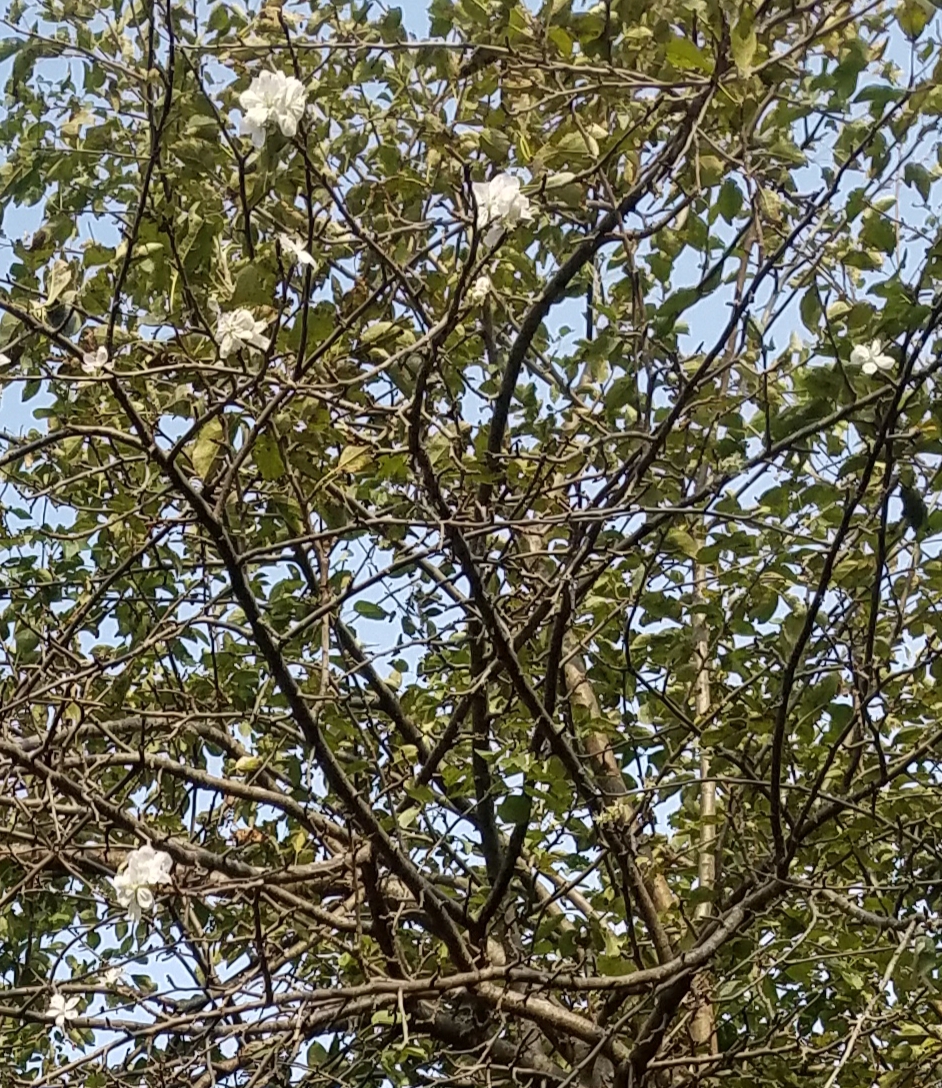
Apple blossoms on Sept. 17, 2020.

2020 is the year trees and shrubs planted in the mid-1990s took a hit.

While mowing for the first time after the Aug. 10 derecho I noticed an Earliblaze apple tree was in bloom. The branches with blooms had otherwise died.

The Red Delicious apple tree lost a major branch during the storm. It seems unlikely to survive, although I might be able to get a crop next year. The scar where the branch was is big. Sealing it from insect predators seems a temporary solution. I had the same experience with a Golden Delicious tree a few years ago. It’s already gone.

One of the lilac bushes suddenly lost all of its leaves. While mowing I noticed new leaves had begun to form. I presume it is next year’s leaves. It’s time to cut that bush out.

Our neighborhood continues to recover from the derecho. Chain saws run almost every day. Burn piles amass, piles of firewood lay everywhere. Although I cleaned up the fallen branches and trees this week, there is more work to be done and sadly it involves a chain saw rather than pruning shears.

Planting a tree is a long-term commitment. When we have a year like 2020 one questions the merit of decades of work when the derecho, combined with disease, mitigates that work so quickly and unexpectedly. I don’t measure my remaining time on this blue-green, turning brown sphere in decades any more. There is enough time to eat apples from new trees I planted this year.

The haze through which the sun shines originated in record-setting fires on the West Coast. The arctic also has a record number of fires. The arctic and antarctic glaciers are melting and don’t get enough snowfall to offset the loss. It is an increasingly hot planet. We are all impacted as the pollution spreads through the atmosphere.

Phase two of my tree work is taking care of many dead branches that cropped up since spring. There is time to work on it. The firewood pile is getting taller though, and isn’t finished growing yet.

Firewood pile Sept. 17, 2020
Categories
Environment

Year of Climate Disaster

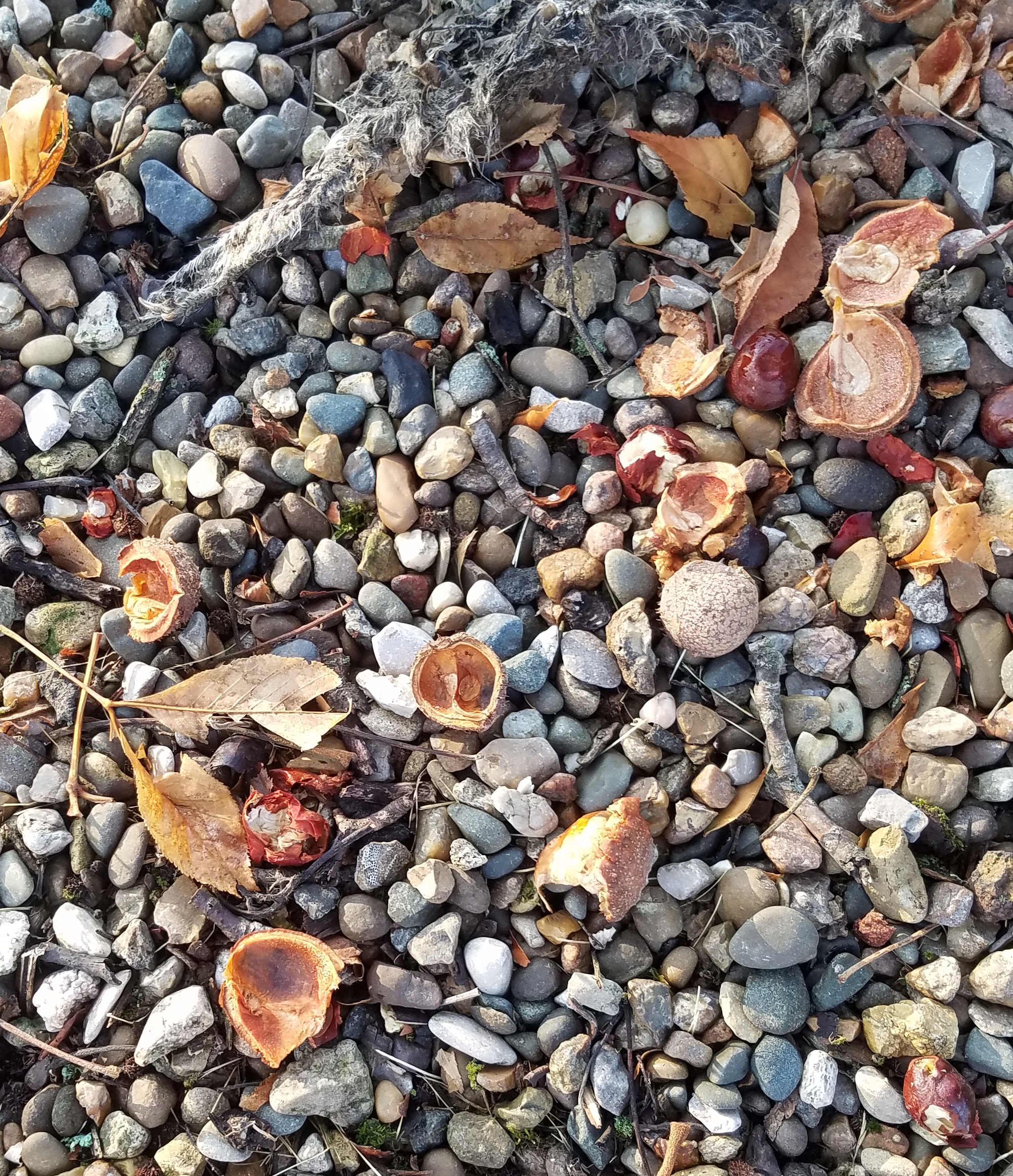
Chestnuts on the ground.

If my posts about the climate crisis have been scarce this year it is because of a decision to focus time on political outcomes.

Under Republican governance needed action to protect the environment and take bold action to reduce the constant stream of inputs that warm the atmosphere and oceans seems unlikely. If anything, Republicans are taking us the wrong direction. I spend time each day working to elect Democrats in hope of a government that will take the climate crisis seriously and address the existential problem.

Weather in Iowa continues to be crazy. There was drought, a derecho, and now a few days of almost continuous rain expected to produce flash flooding. This is what the climate crisis looks like. It is not located in a misty future, it is now.

California fires have already burned 2.2 million acres, more than any year on record according to CBS News. It is only September. Half a million people are evacuating parts of Oregon due to fires there. Hurricane Laura brought devastation to the Louisiana and Texas oil patch. Record high temperatures are being set from Florida to California. If you think this is a new normal, you would be wrong. This is the beginning of a very turbulent period of extreme weather. From here it is expected to get worse.

Our current government makes no pretense about addressing the climate crisis. They are simply not going to do it, consequences be damned. That’s why it is important to change our governance and through the ballot box has been a dependable first effort. If we do elect Joe Biden president with a Democratic House and Senate, our work is only beginning. He and his potential administration must be held accountable to make needed change that positively impacts the environment.

Absentee ballots are to be mailed from county auditors in Iowa beginning Oct. 5. The period from then until Nov. 3 will be one of tracking down ballots. In addition we’ll spend time getting people to register to vote and cast their ballot. That will take most of our time and energy.

The climate crisis is urgently important. Just as a lifeguard sometimes must subdue a drowning victim to save them, so we must focus on the election. There will be time to set priorities after we win at the ballot box. If we don’t win, the priorities become much different and the climate crisis more dire.

We are stronger together and it will take all of us to turn the government around in 2020 and beyond. It is past time to act on the climate crisis.

Categories
Sustainability

Coronavirus Redemption

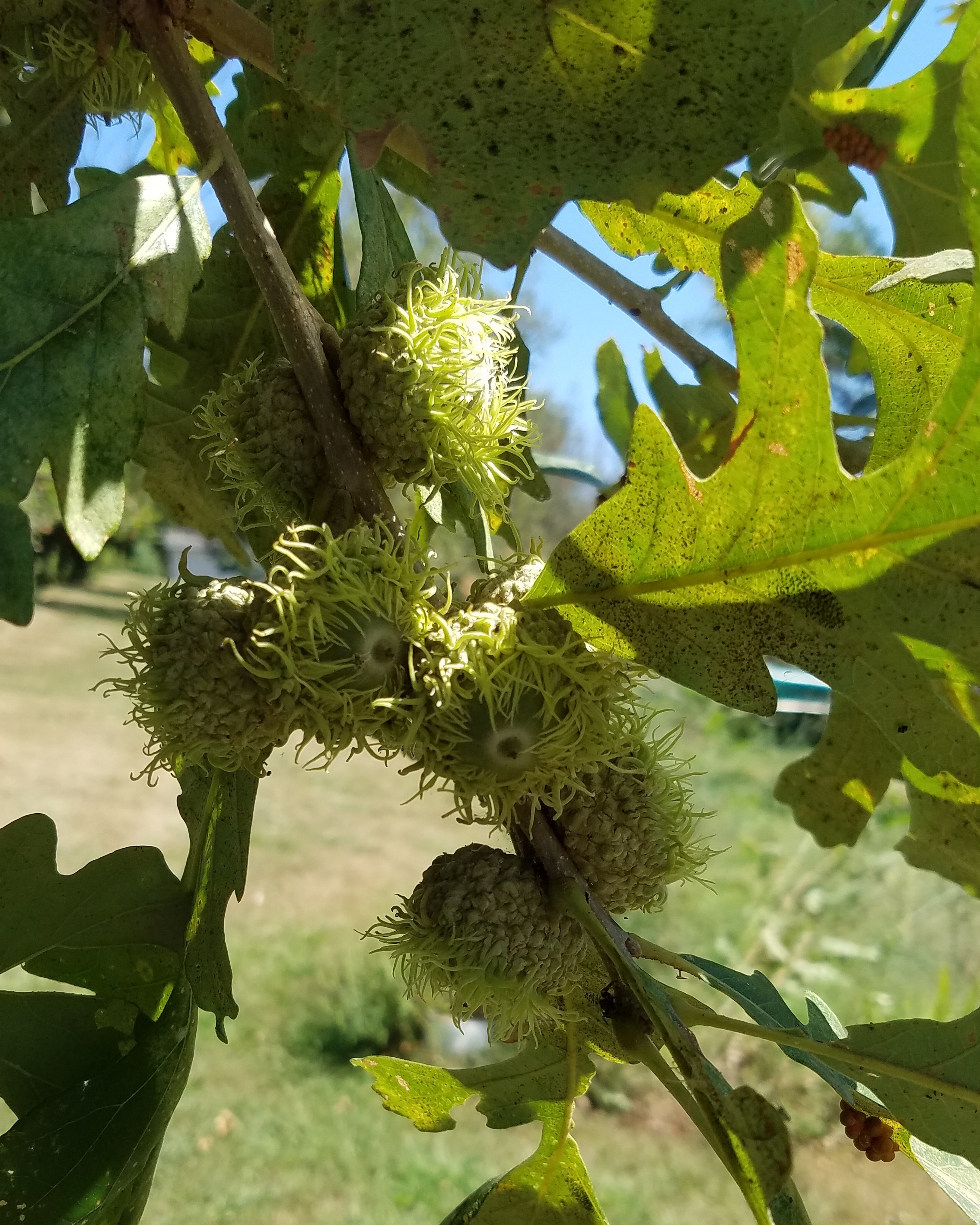
Bur Oak Tree acorns.

The coronavirus pandemic put us in our place.

When the real risk of illness or death can be found everywhere, behaviors change. Upon reflection, so can our process for living.

Yesterday, the Washington Post published an article titled 9 everyday experiences the pandemic has endangered — and how they impact our lives. I read it and only one of nine, using cash for payments, impacted my life. That’s one of the problems with this pandemic: one person’s perspective just doesn’t apply to everyone. That’s increasingly American and to the extent our tolerance for diverse opinions is scant, it is a problem for coming out of the virus. If we can’t agree with scientists, including epidemiologists and public health officials, we will not solve the problem of a virus that sickens millions and kills hundreds of thousands.

How do we get out of the pandemic? Given today, I don’t know how we can.

The cost of redemption is subverting our egos, something a large group of people are willing to do, at least long enough to abate the virus. Absent political leadership, such ideas seem futile. As lifelong Republicans are willing to vote for Joe Biden to end the crazy of the current administration, suppression of who we are, while it may get us through the pandemic, is not a longer term solution to social problems.

The pandemic forces us to change how we live. We now have homemade cloth masks to wear in public. If one of us were out more we’d invest in a plastic shield to protect our eyes. We cook all of our meals at home. We rarely leave the property. When our cable to internet access was accidentally cut, our wireless usage more than doubled — we stay connected to the digital world. Increasingly, internet content seems homogeneous.

There are a few changes to daily life I hope continue into the post pandemic period.

Containing Contagion. We’ve not been sick since the governor declared the emergency on March 9, six months ago. In retrospect, not going to a workplace with 80 employees reduced the number of infections I brought home. While I enjoyed the extra income from that retail job, I better enjoyed good health and the absence of colds, influenza and pneumonia. I hope mask wearing, washing hands, sanitizing when soap and water is not available, and maintaining social distancing continues in society long past the end point of the coronavirus pandemic. I’m likely an outlier.

Using Stuff. Our house became over-filled with the unused detritus of living in a consumer culture. The coronavirus pandemic has us using some of that stuff in a way we hadn’t anticipated. I found my webcam and installed it on my desktop to participate in video conferencing. I took my bicycle off the hooks in the garage and have been riding it almost daily. When it breaks down I try to fix it myself and consult with friends and technicians on what to do. I’m cooking more, trying to use up ingredients stored in the pantry and freezer. I developed a process to circulate and wear clothing that is too worn to donate to charity but had remaining use. Our home has become a workshop in a way I have long wanted but was too busy to create.

Kitchen Garden. I abandoned my quest for local food and its meaning. To replace it, I focus on the new term, “kitchen garden,” which represents the intersection between created meals and the farms, gardens, orchards and manufacturers that produce our food. The term “local food” was a construct that no longer serves our purpose. We are consuming more locally produced food than ever by recognizing and living in this nexus.

Wellness. The coronavirus pandemic brought attention to our health and wellness. I get in 25-30 minutes of exercise daily, eat less, and address my health risks. In addition, I write letters (on paper) to a few people, stay in touch via email and social media, and do more neighboring. While the circle of friends radius is shorter, it is more meaningful and that has been better for wellness. It is important to mention the pensions our household receives. The viable economic base they provide makes everything else possible.

Intellectual Development. While my work status is “retired,” I stay busy. The coronavirus pandemic stopped everything in its tracks as I stayed home and followed what government leaders suggested when it made sense. The enlightenment of this self-isolation is that something will be next. I don’t know what it will be, but it will be local, new, and grounded in intellectual pursuit as we tackle issues where I live. There have been a number of locals interested in participating over the years. It is time we break from participation in distant activities to create our own local ones. I’m not sure what that looks like but am motivated because of the pandemic to figure it out.

Transportation. Most days if I leave the property it is to exercise. The number of auto trips is severely reduced as I shop at the wholesale club once every two weeks and go to a grocer less than once a week. I need to rotate the autos so they both get started and driven regularly. Gasoline use dropped 20 percent. When we ran a generator during the derecho recovery we consumed 15 gallons or more. I make occasional trips to the county seat, visited a local nature preserve once, and drove to the TestIowa COVID-19 test site three times. That’s pretty much it. I’ve become comfortable with staying home for several days at a time.

It is hard to say when the coronavirus pandemic will be officially over. It will be with us for a while, I’m sad to say. Amid the sickness, death and financial challenges I find a new way of life and a wavering ray of hope. Let’s hope it persists.

Categories
Sustainability

Locust Tree

Locust tree trunk.

Punk day? We go on living.

Wednesday started well enough with cool temperatures and a 13-mile bicycle ride. Then I tried to clear the remainder of the locust tree laying across the garden.

The Poulan chain saw started but when I hit the accelerator it died. That was the trouble last time I had it out. I put it on the front steps, got out my Wagner electric chainsaw, and proceeded to make about a dozen cuts. The Wagner has been a great tool, although toward the end of this session it developed a problem I couldn’t resolve. I called the small engine repair shop across the lakes.

They said the electric chain saw repair would likely cost more than the tool was worth. They did work on Poulan chain saws and had space in the work queue to get mine in. With the derecho cleanup, businesses like theirs have been busy. I packed my 1997 Subaru and headed across the lakes. Overnight they adjusted the carburetor, sharpened the chain, and I was good to go. I proceeded to clear the garden of the locust tree.

I’ve been taking my time with the rest of the derecho clean up. I got the fallen branches and my destroyed greenhouse out of the neighbors’ yard the day the derecho hit but have been in no hurry to process the debris. The metal sink I kept in the garden was crushed when the locust tree fell on it. Good sections of fencing and posts were ruined. One of the three oak trees I planted in the garden is leaning due to the derecho wind and weight of the locust tree falling against it.

Some of the vegetables survived although all of the tomato and tomatillo cages were crushed and twisted. Much of my row of peppers was smashed. I’ll get outside to work on it again today and harvest what I can from the wreckage.

We need rain yet none is forecast. As summer ends the pace is picking up. As if it weren’t already at a stunning clip.

Categories
Sustainability

August Heat

Garden tomato time.

This week includes days where the heat index is forecast to be over 100 degrees. Combine that with an extended lack of rain and we’re entering a drought.

After experiencing the drought of 2012 it’s easier to gauge things. This drought hasn’t reached an epic level yet.

I water the garden sparingly seeking to increase the yield of tomatoes, hot peppers and kale. The plot damaged by the derecho still has the trunk of a locust tree laying across it. During a cooler spell I’ll remove the dead wood but for now the project is on hold.

The coronavirus pandemic is far from over. University students returned to the county seat over the weekend. By Monday afternoon a noted local epidemiologist declared, “We have a COVID-19 outbreak in Iowa City.” I’m glad I paid my property taxes last week so I have no reason to return to the county seat until the outbreak has resolved. If the outbreak continues until spring I’ll pay my taxes electronically. Yesterday’s official count of U.S. deaths from the pandemic was 176,809 humans.

As if these things are not enough, yesterday chief actuary of the Social Security Administration Stephen Goss wrote a letter to Senate Democrats in which he said if payroll taxes were eliminated Jan. 1, 2021 as the administration has proposed, “We estimate that Old Age and Survivors Insurance Trust Fund reserves would become permanently depleted by the middle of calendar year 2023,with no ability to pay benefits thereafter.” We knew Social Security had enough revenue and reserves in the current model to be viable until 2034. The disruption in the economy is impacting everyone including us. If Social Security ends I’d better start looking for a new financial model to sustain our lives.

Last night I viewed 30 minutes of the Republican National Convention. I made a point to find and view South Carolina Senator Tim Scott’s 11-minute speech this morning. Republicans have a narrative, one that’s rooted in a different reality than what I know. Republicans and Democrats don’t agree when it comes to defining our national life. That makes it nearly impossible to address any of the issues that confront us today.

The county studied the Silurian Aquifer a few years back and determined there was plenty of water to meet our long-term needs. As long as there is water we’ll be able to grow a garden and we’ll have enough to eat.

We paid off our home mortgage a while back so the only housing expenses are utilities, upkeep and taxes. We’ll have a place to live and equity against which to borrow.

As far as transportation, clothing, communications equipment, and other necessities go, we’ll be fine. This assumes there will be social stability, although that comes into question as the rich get richer leaving less for the rest of us. Social upheaval is not only possible, it’s more likely the further apart Republican and Democratic views of society become.

That has me more concerned than this August heat.

Categories
Sustainability

The Locust Tree Will Wait

Fallen Locust Tree

After seven straight days of using the chainsaw my forearms are sore. I am taking a couple of days off to rest them before tackling the Locust Tree that fell across the garden.

The sound of chainsaws in the neighborhood is ever present since the derecho hit on Aug. 10. Piles of brush are stacked everywhere as smoke from burn piles snakes into the atmosphere.

If we don’t get some rain soon the state and county will declare a burn ban as we enter drought conditions.

These days of August are normally about tomato processing and garden prep for next year. The derecho wiped out my seedlings for a fall planting. It also changed work schedules moving chainsaw work to the top of the to-do list. Add in the coronavirus pandemic restrictions and it’s a very different summer.

The county auditor received our requests for an absentee ballot according to the Secretary of State website. The ballots are mailed in October so now we wait.