The new president took the oath of office Monday and I tuned in for some of the ceremony. Minnesota U.S. Senator Amy Klobuchar gave an excellent speech. Not so much Mr. Trump. Several prominent people, including historians who would know, rated it the worst speech in the history of inaugural addresses. I turned it off and went trail walking just as he approached the podium. I hope Klobuchar is planning to run for president again.
We will all have to deal with the reality of the new administration. The day after the inauguration, it is hard to say what exactly that reality is. The president is trying his best to make us believe in an alternative reality. If we resist nothing else, we should resist that.
From the noise of yesterday came the quiet of today. Like many, I’m using this quiet to understand where I might help get the United States back on track. I expect it will be an inter-generational effort. So forget about resolving things with a blue wave election in 2026. It is time to reduce our screen time and get to work.
I’m participating in the Meta blackout that runs until this weekend. With each day I am becoming more confident I can deactivate my Facebook, Instagram and Threads accounts. I will see how that shakes out yet less screen time will hopefully equal more writing of my own.
I don’t have anything profound to say about this week’s events. There is no shortage of punditry making points of analysis. I know when to keep it short. Let’s have a cup of coffee on this new day. Cheers!
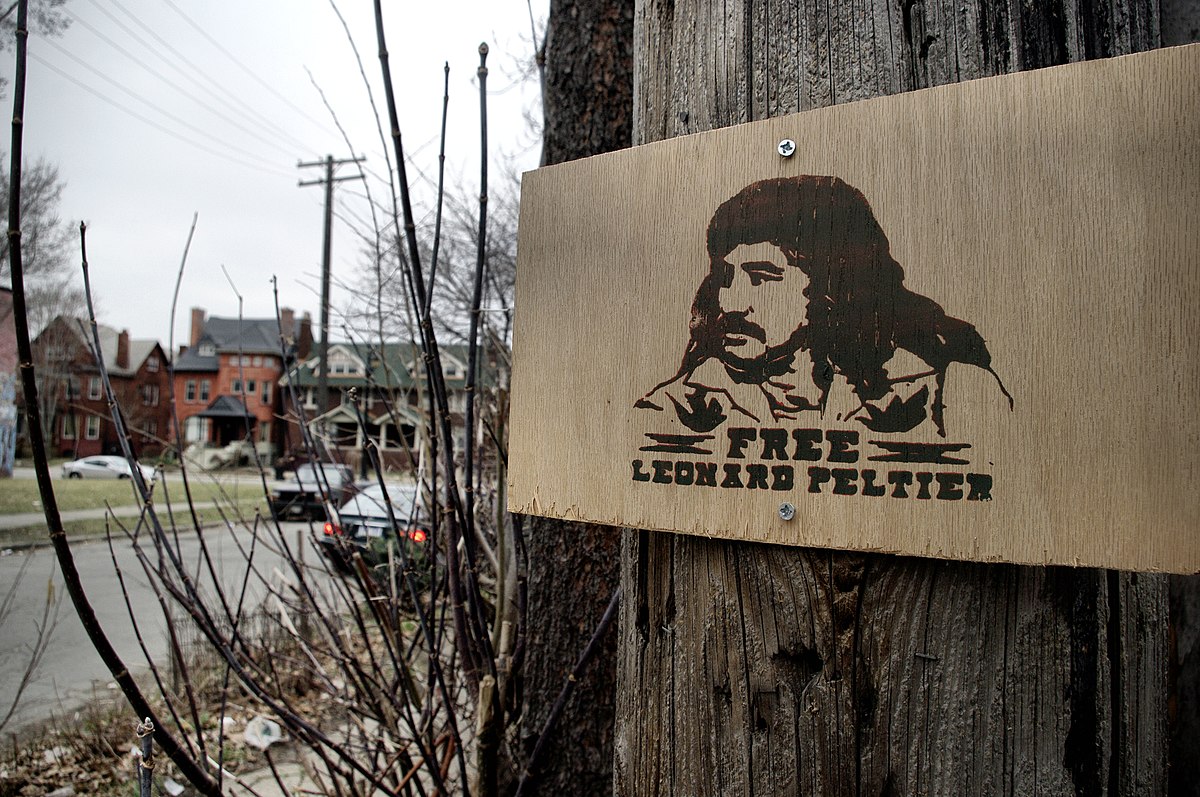
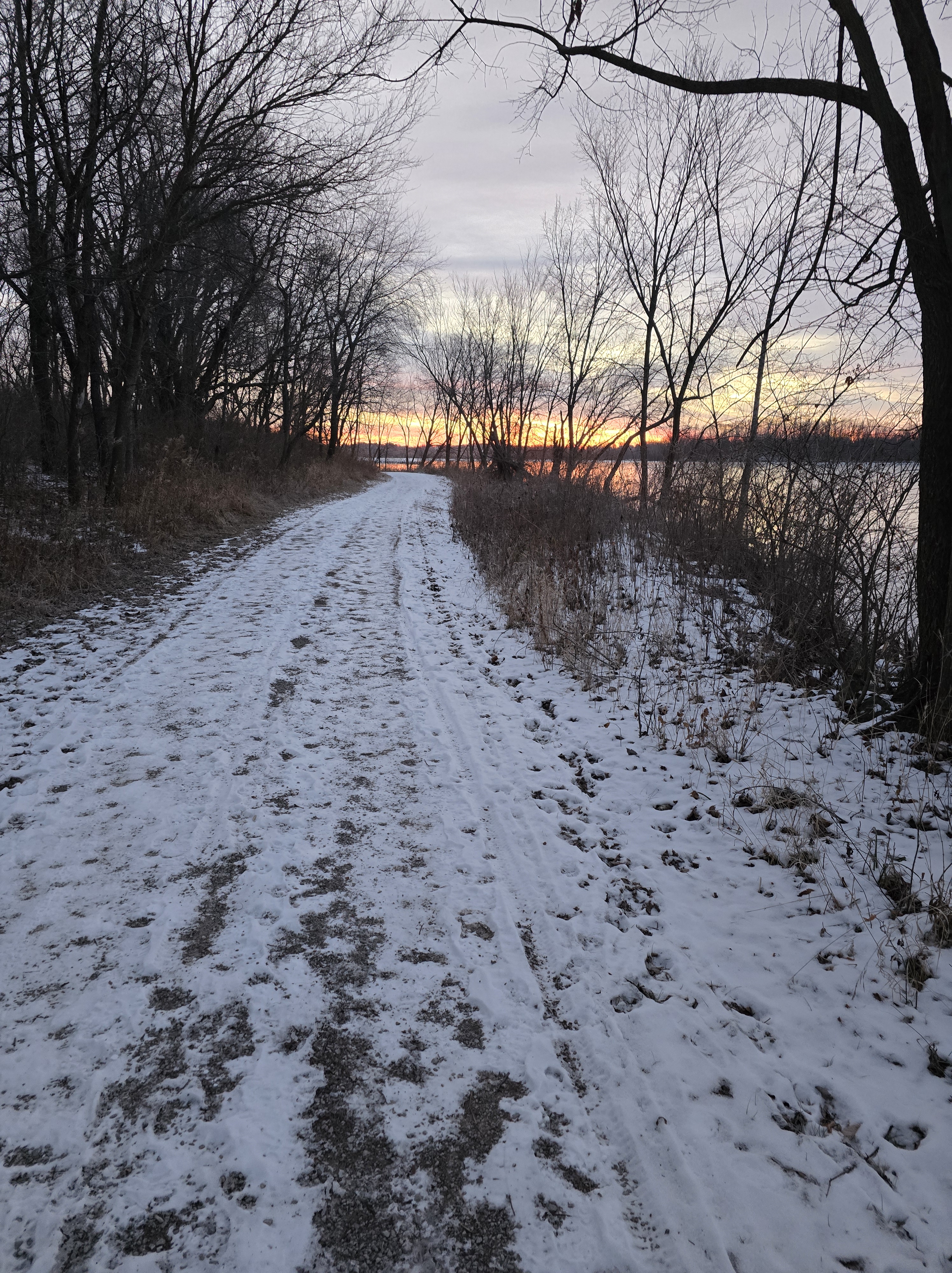
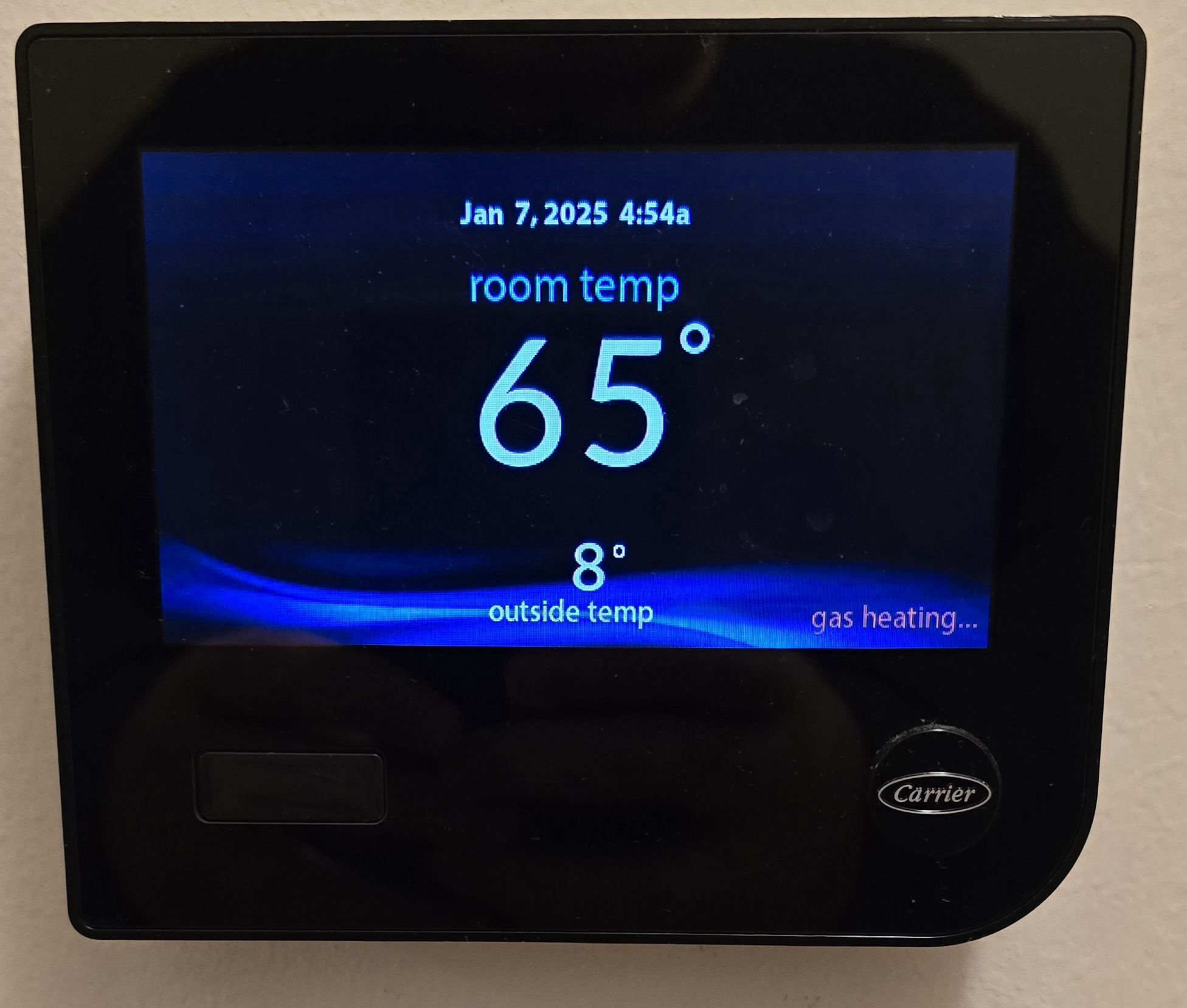
I looked at the thermometer and it was 8 degrees Fahrenheit outdoors. I put on my cap, scarf, and coat and left for a walk along the state park trail. It was a brisk walk in that I wanted to keep my heartbeat elevated. I was stunned by the news. Leonard Peltier is freed.
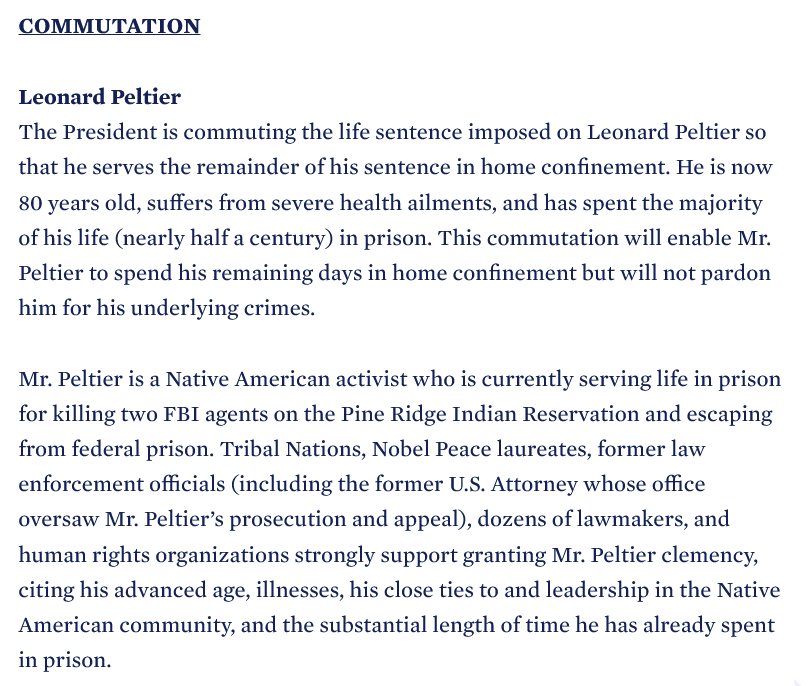
I got teary-eyed as I read the White House Press Release that in one of his final acts as president, Joe Biden commuted the life sentence of Leonard Peltier. This has been a long time coming. I have been in favor of freeing Peltier since I can remember, including in the 1970s when I served in the U.S. Army overseas when he was sentenced.
Hawaii Senator Brian Schatz had been posting on social media about granting clemency to Peltier since the election. I don’t know how Washington works, yet I believe his advocacy made the difference. It certainly wasn’t my message to the White House, the last of several I sent.
We will miss Joe Biden more than we know.
Since the Trump administration will immediately take down the Biden administration website, I screen-shot the text below. The archived website is expected to return, yet who knows when that will be?
Vice President Joe Biden, May 2010 in Cedar Rapids.
I didn’t campaign for Joe Biden when he came to Iowa to meet us in 1988, 2008, or 2020. I lived in Indiana in 1988 and found better choices the other two years in Iowa. He did poorly each cycle, barely registering on the scoreboard in 2020. That year he went on to be elected president and served faithfully and with dignity the four years ending today. As the Irish might say, Slán leat, Joe Biden. You served us well and we’ll be missing you as we cope with tomorrow.
If the Iowa Democratic caucuses said anything about U.S. presidential elections, it was never about us, it was about all of us. Joe Biden was a president for us all, and I’m thankful for that.
When I took this photo, Democrats had reached the high point in an arc that began after the turn to this century. We experienced grueling defeats in 2010. Barack Obama and Joe Biden swam against the Republican tide as Newt Gingrich and his allies tainted American politics, launching an enduring era of brutal partisan warfare. Let’s hope the next four years don’t make it worse.
What I admire about Biden is that after the death of his son Beau, he did not follow Obama into presidential politics. PBS reported in October 2015, “The vice president’s 46-year-old son, Beau, died of brain cancer in May, and Biden stated publicly over the summer that he did not know if he could emotionally commit himself to a run for office.” It was his turn to run, but family matters more to this son of Scranton, Pennsylvania, so he stepped back. He lived to regret that decision, yet he persisted over time and made us proud.
Rep. Taylor Collins (R-Mediapolis) is the poster child for the anti-diversity, equity and inclusion movement in Iowa. I previously described his work as “the spiritual struggle against the sin of liberalism,” but it’s not really that. It is an old friend, resentment rural Iowans hold against city-dwellers, in this case educators employed by the regent institutions in Iowa.
Here are posts from Rep. Collins’ Facebook page that set the stage:
Thank you Representative Collins! Iowans want well educated students not radical ideologies shoved down the throats of our students!
Time to put an end to the communists running the universities in the state of Iowa.
Nothing will change in the Universities until the Iowa legislature either ends tenure for professor’s in Iowa or somehow fires the administrators who hire and fire.
If you went anywhere in Iowa and asked what people liked about the University of Iowa they would likely say either the Hawkeye athletic program or the University of Iowa Hospitals and Clinics. People from all over the state attend Iowa sporting events or get treated at the University Hospitals. One can argue the value of sportsball programs, yet it is hard to deny the acclaim Caitlin Clark received in the women’s basketball program. If a person has a complicated medical diagnosis, it is good to know treatment is as close as Iowa City. These impressions are not wrong.
If you asked the same people what they don’t like about the university, they might say the unabashed liberalism in Iowa City. The resentment is targeted at people who work for the state government and hold what are, by comparison, cushy, well-paid jobs with substantial benefits, with some employees belonging to a labor union.
You can’t argue much with people’s opinions, even if they are not based in the same reality as you and I. In her book The Politics of Resentment: Rural Consciousness in Wisconsin and the Rise of Scott Walker, author Katherine J Cramer lays out these attitudes that pit rural versus urban folk in a way that resonates with Iowa and other rural states I visited.
In my Jan. 7 post I wrote, “The University of Iowa already announced closure of some offending programs, including the gender studies and American Studies programs in advance of the new DEI law going into effect in July. They discuss the possibility of forming a new umbrella school for these and other programs, although that seems uncertain as I write.”
The response from Rep. Collins to forming a new school is now known. It is hell to the no!
Sen. Lynn Evans, (R-Aurelia), and Rep. Taylor Collins (R-Mediapolis), sent a letter to the Board of Regents on Jan. 8 saying the UI’s proposal to form a School of Social and Cultural Analysis should be rejected, as it brings together “ideologically driven programs,” rather than doing away with them, according to Iowa Capitol Dispatch.
“Iowans expect our institutions of higher education to be focused on providing for the workforce needs of the state, not programs that are focused on peddling ideological agendas,” the letter stated.
Iowa Board of Regents spokesperson Josh Lehman told Iowa Capitol Dispatch in an email that the board did receive the letter and “appreciate(s) them sharing their opinions with the Board.” Lehman may as well have thrown a barrel of gasoline on that fire.
The new House Committee on Higher Education met last week. Below are the members, seven Republicans and four Democrats, several of them heavy hitters in the legislature.
Taylor R. Collins (R, District 95), Chair Jeff Shipley (R, District 87), Vice Chair Ross Wilburn (D, District 50), Ranking Member Steven C. Holt (R, District 12) Heather Hora (R, District 92) David Jacoby (D, District 86) Bobby Kaufmann (R, District 82) Jennifer Konfrst (D, District 32) Monica Kurth (D, District 98) Skyler Wheeler (R, District 4) John H. Wills (R, District 10)
This committee’s work is expected to be widely reported by Iowa media. I’ll be adding my two cents as well as the session continues.
The outside ambient temperature was 54 degrees Fahrenheit as I drove to the county seat for provisions. That was exceedingly warm for mid-January. Because of King’s Birthday on Monday, my Social Security check came early and I had money to buy groceries. I’m still not used to being tied to a monthly pension payment. It is better than the alternatives.
The incoming administration moved Monday’s inaugural ceremony indoors because of a D.C. forecast of ambient temperatures in the 20s. I am quick with snarky comments like “How is the administration that can’t stand the cold going to take over Canada or Greenland?” While some Canadians I follow were rolling on the floor laughing about this, I think something else is at work.
If Trump is anything, he is a master of messaging and communications. Holding his swearing in and speech indoors provides a kind of messaging control that if it were outdoors, would be less possible. The guest list will be smaller inside the capitol. I can imagine the countless media comments about the size of the inaugural crowd if held outdoors. While crabby people wearing MAGA hats have already been in video clips on social media, saying they could have just stayed home and watched on T.V., you’ll have that and Trump must know it. In any case, I don’t plan to watch the speech live, although I will likely read the text next week. I don’t know many people excited about the prospect of another four years of him.
The good news about the first week of the legislature is both my House and Senate representatives issued a newsletter. Hard to say how often they will publish, but it is something positive. I don’t expect a lot of positive things from the legislature this session. The Republicans have super-majorities, and are in a position to pass anything they want. I expect they will. The challenge is to find things I can support and encourage my elected officials to support them. A sense of doom hangs over our district.
I can’t help but think of the excitement and hope that surrounded Barack Obama’s inauguration 16 years ago. There is a clear sense that the gains we made as a society since FDR are coming to an end. We worked to elect a better person as president and we lost the election. What else can we do but go on living?
The political season kicked off last night with Governor Kim Reynolds’ Condition of the State address to a joint session of the legislature. The press release with the speech arrived in my inbox at 8:27 p.m. and I read it right away. Reading it was more efficient than watching it. I will not rehash the whole thing. The press release is here.
The language in the written version seemed less shrill than in previous years when I heard her deliver the speech. Rep. J.D. Scholten posted the following on Threads last night.
This year’s Condition of the State speech was far less punch down politics and culture war crap, which is good. Energy, hands-free driving and cancer research are the three main things I heard that I’m excited to work on.
Cutting unemployment insurance is tone deaf with all of the layoffs happening in the last year in Iowa, especially with Tyson closing the plant in Perry and John Deere shipping jobs overseas.
Like for Scholten, there are things Reynolds mentioned I’d like to see advanced in a bipartisan manner, coupled with some skepticism.
Addressing mobile device use in our lives seems like a no brainer. If a person uses a telephone at all while driving, it should be hands free. This is a safety concern that falls in the main purpose of government regulation. Likewise, it seems bad that K-12 students spend over six hours per day on smart phones, according to the governor. It is hard to see any legitimate purpose for schoolers keeping their devices with them or turned on while in the classroom. I would think local control of this issue would be the way to go, with school boards setting policy based on factual information about their districts. The state tends to get heavy-handed when they assume control of what should be decided locally. It is an important enough issue to have this discussion.
Cancer sucks. The governor addressed the problem in her speech, “Every case of cancer is a tragedy. And I’m concerned by the data showing that these tragedies disproportionately affect Iowans. Our state has ranked second for new cancer cases two years running, and we’re one of just two states with rising rates.” Getting to the bottom of this statistic is important to the well being of Iowans. As I mentioned, cancer sucks. If we can determine a path to reduce the incidence among Iowans, we should follow it. Studying our high cancer rate is a good use of state resources.
The energy discussion, of keeping Iowa electricity prices low and having capacity and infrastructure to attract businesses to Iowa, is a good one to have. Coal and natural gas should be phased out as sources of energy used to generate electricity. The state should strive for a mix of energy sources. It does seem like the big money behind nuclear power got to the governor. Here is what she said:
For starters, we need to take a serious look at nuclear energy. Its potential is amazing, but the investment is big and the horizon is long. So we need to get started.
In the coming weeks, I’ll be putting together a task force that will make recommendations for how we can move forward. I’ll be bringing together experts to look at issues like permitting, which often takes too long. They’ll also look at workforce challenges, because recruiting nuclear engineers doesn’t happen overnight. And they’ll be talking with stakeholders around the state to make sure we have local buy-in.
I’ll also be proposing a bill and working with legislators to continue to promote an all- of-the-above energy portfolio that ensures the lights are on regardless of whether it’s hot, cold, windy, or cloudy.
As I’ve said repeatedly, using nuclear fission or fusion to generate electricity has substantial associated problems. These problems need to be resolved before we get too far down the path. Likewise, generating nuclear power in Iowa is not as simple as turning on the key at the Duane Arnold Energy Center. If the governor has in mind getting beyond vague platitudes about baseload power and carbon-free electricity, that would be good. At present, I find no logical reason to turn the Duane Arnold nuclear power plant back on. The development of small modular reactors and their wider use seems years away in the United States. I will suspend my skepticism to see if truth will out in the discussion of nuclear power proposed by Governor Reynolds.
While my skepticism of the governor is substantial. These are things that merit consideration by the government we have.
The president-elect will be sworn into office on Jan. 20, and no one I know feels good about that: at least among those willing to discuss Trump’s second administration. I see some of the things he is doing and it augurs the death of democracy as we know it. To say I feel anxiety about the next four years is not wrong.
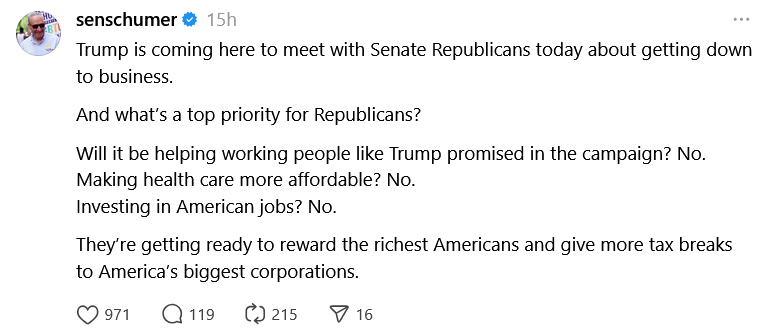
Senate Minority Leader Chuck Schumer reported via his Threads account the president-elect was on Capitol Hill yesterday :
Where will this money come from? No one has said, with no indication the deal for this theft from the public is finalized. There is not enough money in the Social Security Trust Fund ($2.908 trillion) to pay for what has been proposed. Social Security, Medicare and Medicaid are all on the chopping block to butcher and give rich people more government money. This characterizes what we expect from Trump 2.0.
The totality of legislative proposals remains to be seen as bills are introduced to the Congress. Which ones will pass is also unknown. Clearing the U.S. House of Representatives with its two-member majority is the narrows through which Republican priorities must squeeze. 12 days before the inauguration, there is no confidence the president who sees Iowa as a state of farmers will understand and address what’s important to most of us.
As George Carlin once said, “It’s a big club, and you ain’t in it.” While the augury is bad, we’ll just have to wait and see what actually happens in real time. I plan to be ringside.
On Jan. 22, 1977, two days after being sworn into office, President Jimmy Carter called on all Americans to turn down their thermostats to 65 degrees during the day and cooler at night. We were in an energy crisis and using less natural gas and electricity was part of his plan to deal with it. He wasn’t a popular president.
As I write this post, Carter’s remains are enroute to Washington D.C. with his funeral service scheduled at the National Cathedral on Thursday, Jan. 9. I did not care for Carter as president. I caucused for Ted Kennedy during the Iowa precinct caucuses in 1980. If I had known then what I know now about Ronald Reagan, I would have been firmly in Carter’s camp and supported his re-election. Hindsight is usually twenty-twenty.
Because Jimmy Carter had a long post-presidential life, there is a tendency to revise the history of his presidency. Part of that is normal analysis. Part is wishful thinking. While working on another project, yesterday I found my journal entry about Carter written on May 30, 1982. I stand by this assessment of his presidency as much as anything else I recently read. Here it is in its unedited entirety:
About native ability: Jimmy Carter is one who comes to mind. He was a Washington outsider and this, I believe, was the cause of his downfall. In a popular magazine I read an article about Rosalynn and him down in Plains, Georgia living a life of word processors, bicycling, and family memories. Jimmy Carter seems to me to be a president who relied on his native ability to see him through. He was judged, even by members of his party, as a failure, though. Native ability was not enough.
Carter was decent, honest, and hard-working, but his lack of understanding of the Washington scene in which he placed himself made it impossible for him to be successful. His successor scorns him, members of the Democratic Party only extend the minimum of traditional courtesy due an ex-president. Yes, native ability is not enough these days. Not enough for Jimmy Carter, not enough for me.
There is a lot to be said about native abilities. It’s what made America what it was in its early days through the 20th Century. People call Carter a lot of things, yet the one that seems more apt is the “next modern president.”
What Carter sought to do was ahead of the times and he suffered for it. If his initiatives — like harnessing sunlight for energy, personal responsibility, human rights, respect for individuals, and others — had endured, America would be a much different place. Instead he is unrecognized, yet woven into the warp and weft of a society that believes it can be better than it is. He took steps to do what he could to realize such a place, using his native talents and abilities.
As Robert Browning said, “…a man’s reach should exceed his grasp, Or what’s a heaven for?” It seems unlikely there will be another like Jimmy Carter. May he rest in peace.
In the spiritual struggle against the sin of liberalism the Republican majority’s sights turned to the regent institutions. This session, a new legislative committee will deal specifically with higher education policy. Leading the effort is Republican Rep. Taylor Collins from Mediapolis. He said to expect “significant reforms to Iowa’s higher education system,” according to the Cedar Rapids Gazette.
Framing his jihad as addressing the workforce shortage in Iowa, Collins is riding a national wave in opposition to diversity, equity, and inclusion programs in education. No worries on the part of administrations at the three major Iowa public universities. They are bowing down to the jihad in advance. The University of Iowa already announced closure of some offending programs, including the gender studies and American Studies programs in advance of the new DEI law going into effect in July. They discuss the possibility of forming a new umbrella school for these and other programs, although that seems uncertain as I write.
Rep. Taylor Collins seeks to refocus Iowa’s higher education system on producing students ready to fill high-need jobs in our state, Iowa House Speaker Pat Grassley said in a statement.
“In his first term, (Rep.) Collins led efforts to dismantle the DEI bureaucracies at the regent institutions and remove political bias from the university presidential selection process,” Grassley told the Cedar Rapids Gazette. “I’m eager to see the work he will continue to do as chair of this new committee. A comprehensive review of Iowa’s entire higher education system is long overdue.”
I am a graduate of the American Studies Program in 1981, although we were a loose consortium of interests rather than an official department. It was a way for me to get an interdisciplinary degree to further my liberal arts education. I had no interest in using the degree to get any job.
I paid very little for my undergraduate (1970-1974) and graduate (1980-1981) degrees from Iowa. Today, the cost of an undergraduate degree from Iowa is $29,219 per year or $116,876 if a student can finish in four years. Now we’re talking real money. I understand one expects something to go with that expenditure and related debt. But a job?
If the legislature’s aim is to turn the regent institutions into a fancied up community college program then count me out. If that’s the case, I’d go one step further and make a modest proposal. Keep key curricula and programs like education and sell off the big pieces for workforce development. Who better to manage the University of Iowa Hospitals and Clinics than a big insurance company like United Healthcare or Kaiser Permanente? Why not sell the agriculture programs to Cargill? Engineering? Maybe Apple, Halliburton, Microsoft, General Dynamics, Alphabet, Meta, or Amazon might buy them and integrate them into their other product offerings. Hell, there are so many potential buyers we could run the sale price on that one way up.
The truth is, Rep. Collins hasn’t said much about this or how Iowa survives as an economic base going forward. He is hacking away at DEI, and everything that means. Last year wasn’t good, and this year isn’t shaping up to be much better.
This will be one to watch and I expect to keep a ring side seat. The 2025 session of the Iowa Legislature begins Jan. 13.
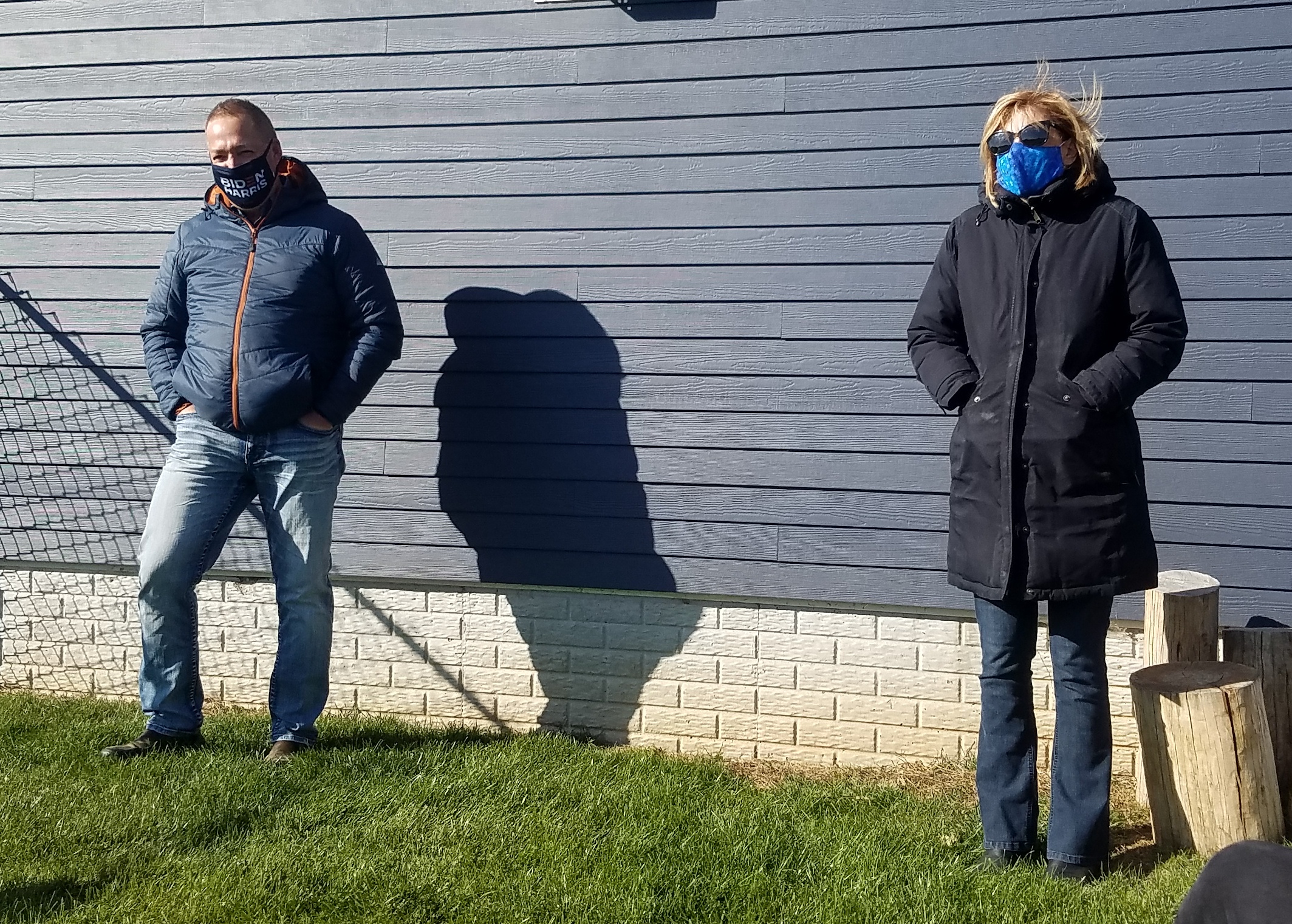
Lonny Pulkrabek and Rita Hart two days before the 2020 election in which Hart lost her race for Congress by six votes. Masks because we were in the thick of the coronavirus pandemic.
It seems urgent to figure out what to do in our politics going forward. I’d like to begin my work just after the New Year’s holiday. Disengaging from politics is not a useful option. I plan to stay with the fight and so should more of us.
It’s been almost seven weeks since the Nov. 5 election in which Iowa Democrats fared poorly. Donald Trump won the top of the ticket race against Kamala Harris, and Republicans added to their majorities in both chambers of the state legislature. Republicans retained all four seats in the U.S. House of Representatives, with Mariannette Miller-Meeks winning in the first district by 799 votes. I’ve been reading, listening, and thinking about my experience and the best I can describe Democrats current situation is we are tied to the whipping post and everyone is whaling on us.
I get it. We get it. We lost the election and as we recover from the losses, we see the state party as a visible whipping boy. The week before Christmas I drove past the office on Fleur Drive in Des Moines and even I cringed at how little the building changed since I last paid a visit. Democrats won’t win elections by repeating the same strategies and tactics we used in 2024. It seems appropriate to have a discussion about whether to blow up the Iowa Democratic Party and start over.
I like the song Whippin’ Post, which I heard the Allman Brothers Band play on Feb. 19, 1972 at the University of Iowa Field House.
Sometimes I feel, sometimes I feel, Like I’ve been tied to the whippin’ post. Tied to the whippin’ post, tied to the whippin’ post. Good Lord, I feel like I’m dyin’.
I haven’t felt like I’m dying since the election. I attribute that to being an experienced septuagenarian with little to lose. We have the wrong expectation if we think the state party will dig us out of the hole we’ve gotten into. It is useless to whale on the state party and expect running the chair out of town on the rail will fix the problems. Further, it is plain wrong to expect the state party to lead us out of the darkness. We must find our own way.
There is a different usage for whipping post besides the place we can tie folks who don’t live up to our expectations and flog them.
John C. Leggett and Suzanne Malm described “Whipping Post” as a metaphor for a romantic relationship in which the participants masochistically stay in though it has gone bad. This definition invokes the mutuality between the leadership and members of the Iowa Democratic Party. It is aptly applied to today’s politics. We must free ourselves from the relationship and break up.
Endemic to the current party structure is a misdiagnosis of key issues in a campaign. More than anything, politics has gotten local. In Big Grove Precinct, where I live, the electorate is divided. Trump won here in 2024. During the 2020 presidential election, Donald Trump won over Joe Biden 671 votes to 637. In 2016, Trump beat Hillary Clinton 575 votes to 529. Barack Obama won here in both 2008 and 2012. My precinct has a divided electorate and has recently been won by both Democrats and Republicans. While new people moving to our area lean Republican, the key issue is how does an organizer build a Democratic majority at the polls, recruiting votes regardless of party? We didn’t address that in 2024. It was hard to get anyone to do normal grassroots work in my area. Both these things need our urgent attention.
Others have recently written about the First Congressional District Convention on May 5, in North Liberty. The description I wrote soon afterward hits a key point:
A speaker at the convention looked around the room and suggested the dominance of white-skinned, grey-haired delegates is the problem with the party. Whatever. Had rain not been forecast during the convention hours, I would rather have been working in our yard. The trouble, as I experienced recruiting a replacement for my position on the county central committee, is literally no one is willing to do the work to provide steady volunteer work for local Democrats. That’s a much different problem than skin tone and hair color among people willing to show up on a spring Saturday.
It also indicates that whoever is party chair will have minimal influence on how campaigns are organized. It is up to us to self-organize.
No matter how many teams of canvassers are deployed by Democratic organizations, Democrats will be frustrated. I suggest something else is at work. What drives people not to care about our governance? Where did the breakdown of top-down methods used in the past by Democrats occur? Answers to these and other questions seem more important than keeping the Iowa Democratic Party (or ourselves) tied to the whipping post.






 Journey Home

You must be logged in to post a comment.