Today, the Intergovernmental Panel on Climate Change (IPCC) released their sixth assessment report of the global climate. The news is not good.
Human kind must reduce greenhouse gas emissions, and fast, to avoid the worst effects of the climate crisis, according to the report. On tomorrow’s one-year anniversary of the derecho, Iowa’s latest extreme weather event, the Hawkeye State should pay attention to what scientists have to say. So should we all.
Climate change is affecting every region on earth, in multiple ways.
Increases in drought with continued increases going forward.
Projected increase in extreme precipitation.
Projected increase in river and pluvial flooding.
Projected increases in winter precipitation.
There is a lot of information in the report and rather than summarize it here, I’ll direct readers to the report itself. There are summaries and a wealth of information. It can be viewed and downloaded at this link: https://www.ipcc.ch/report/ar6/wg1/
“If we reduce emissions to net zero by 2050, we can keep temperatures close to 1.5C,” wrote Dr Valérie Masson-Delmotte, co-chair of the IPCC. Achieving that would help prevent climate change’s worst effects.
~ IPCC is the international body created in 1988 by the World Meteorological Organization (WMO) and the United Nations Environment Program (UNEP) for assessing the science related to climate change.
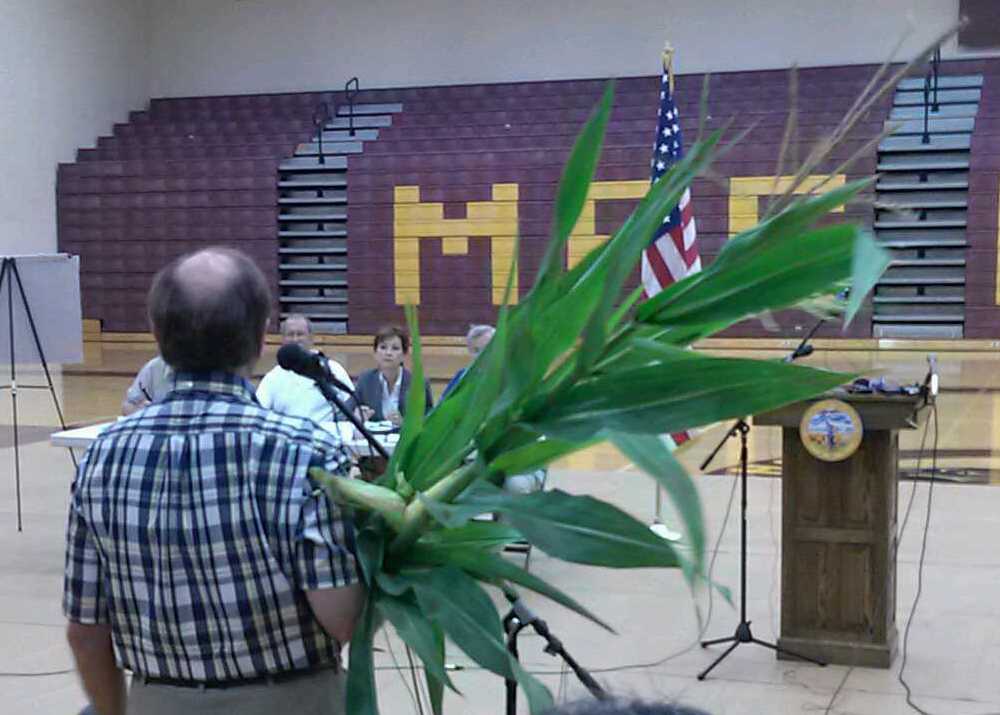
Nothing better illustrates what’s at stake in mitigating the worst effects of climate change than the debate between eliminating internal combustion cars, trucks and SUVs, and Iowa’s corn ethanol business which produces automotive fuel. Simply put, we must curtail greenhouse gas emissions to avert the worst effects of global warming. That means reducing, then eliminating, internal combustion engines in automotive transportation.
Last week’s events brought the debate into focus.
On Thursday, Aug. 5, President Biden signed an executive order intended to strengthen America’s leadership in clean cars and trucks. Biden set a goal “that 50 percent of all new passenger cars and light trucks sold in 2030 be zero-emission vehicles, including battery electric, plug-in hybrid electric, or fuel cell electric vehicles.” Biden also addressed tightening emissions standards, improving fuel economy, and fuel efficiency and emissions reductions for heavy duty trucks. If acted on, this executive order is a substantial government effort to reduce the number of polluting vehicles on American roads, a major source of greenhouse gas emissions. The folks at The Climate Reality Project reflect my view, “Now we are moving in the right direction.”
Not so fast, said Iowa Governor Kim Reynolds, whose state devotes significant corn acreage to producing ethanol for automotive use. She apparently heard this executive order was coming and had the following statement ready to go the same afternoon.
President Biden’s short-sighted stance on electric vehicles is undermining Iowa’s renewable fuel industry while simultaneously jeopardizing America’s energy independence. This announcement follows the Biden Administration’s failure to support renewable fuels in the infrastructure package currently being negotiated in Congress. It’s a harmful pattern that must be reversed.
With the policies we see coming out of Washington, it’s never been more important that Iowa fights for renewable fuels like ethanol and biodiesel while looking for new ways to invest in the high-quality products we produce right here, right now in our state.
Press release from the Office of the Iowa Governor via email, Aug. 5, 2021.
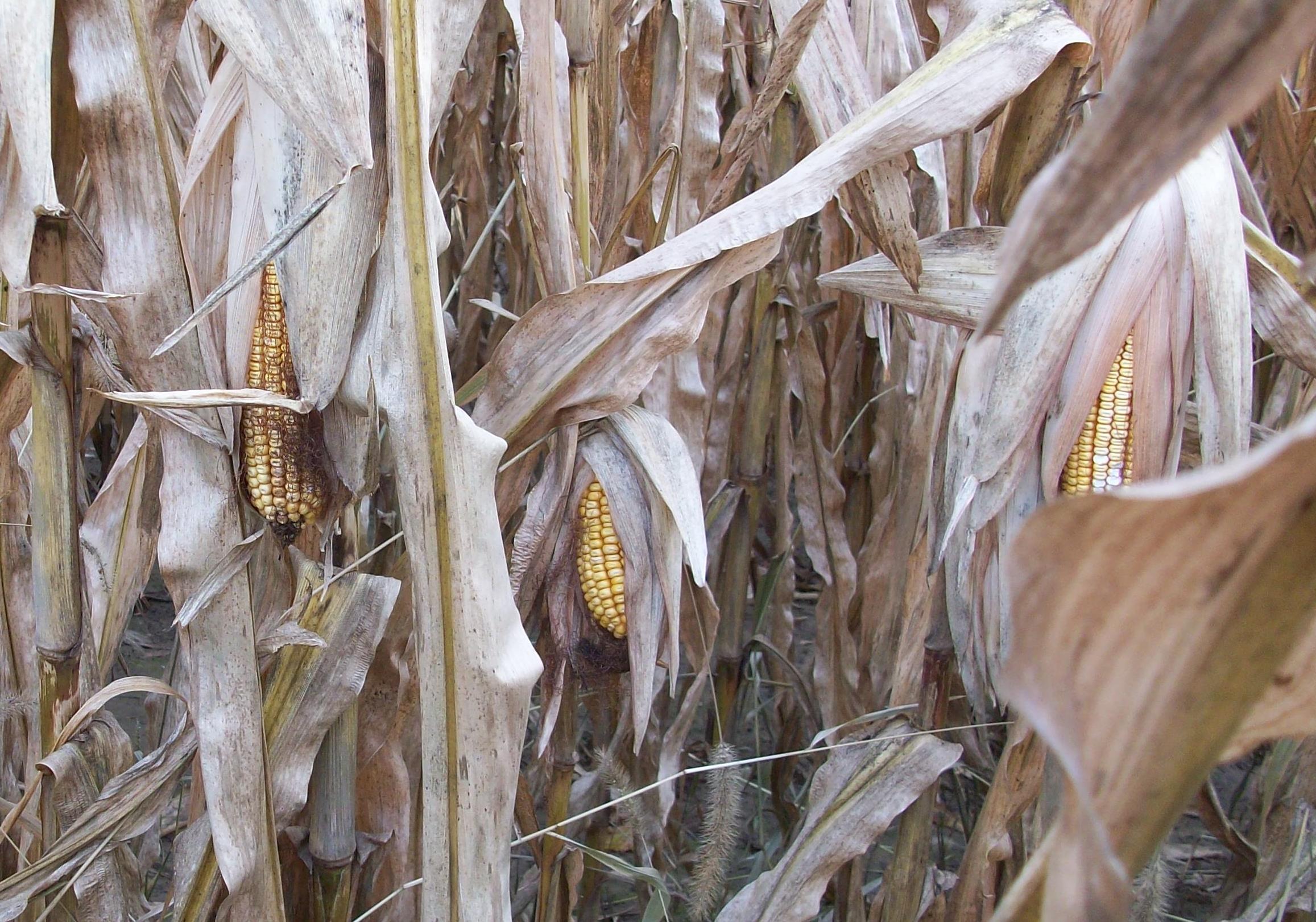
I couldn’t disagree more with Governor Reynolds. 53 percent of Iowa’s corn crop goes to ethanol production, according to Iowa Corn. A third of that makes a livestock feed co-product and the rest into ethanol fuel. One did not need to be a psychic to predict farmers were not going to like it when passenger cars, SUVs and light trucks all go electric, likely in my lifetime. The better action for the governor–than propping up the internal combustion engine in automobiles and light trucks–is determining the future use of those corn acres once ethanol is no longer needed as a fuel.
Either we have the political will to address the climate crisis or we don’t. It seems clear President Biden is willing to take bold action to address global warming, as evidenced by his direction on electrifying cars and light trucks. While some in the environmental movement say he is not bold enough, last week’s executive order would never have been signed by a Republican president. Governor Reynolds’ pushback was predictable and an argument for maintaining a status quo that has not been good for Iowa in terms of soil depletion, air quality, water quality, crop diversity, and economic and environmental sustainability.
As this plays out in coming weeks and months, the dynamic between the White House and Iowa’s Republican governor will be important to watch. What shall we do to address the climate crisis? According to President Biden we can and must do something. Moving toward electric transportation vehicles is a positive step, even though farmers will have to adjust. We have to do more to address the climate crisis.
Despite the debate and inevitable conflict, the country has to adjust to our future needs. The debate between government and farmers is not new. It has never been more important as the future livability of our planet is at stake. It’s now or never on climate.
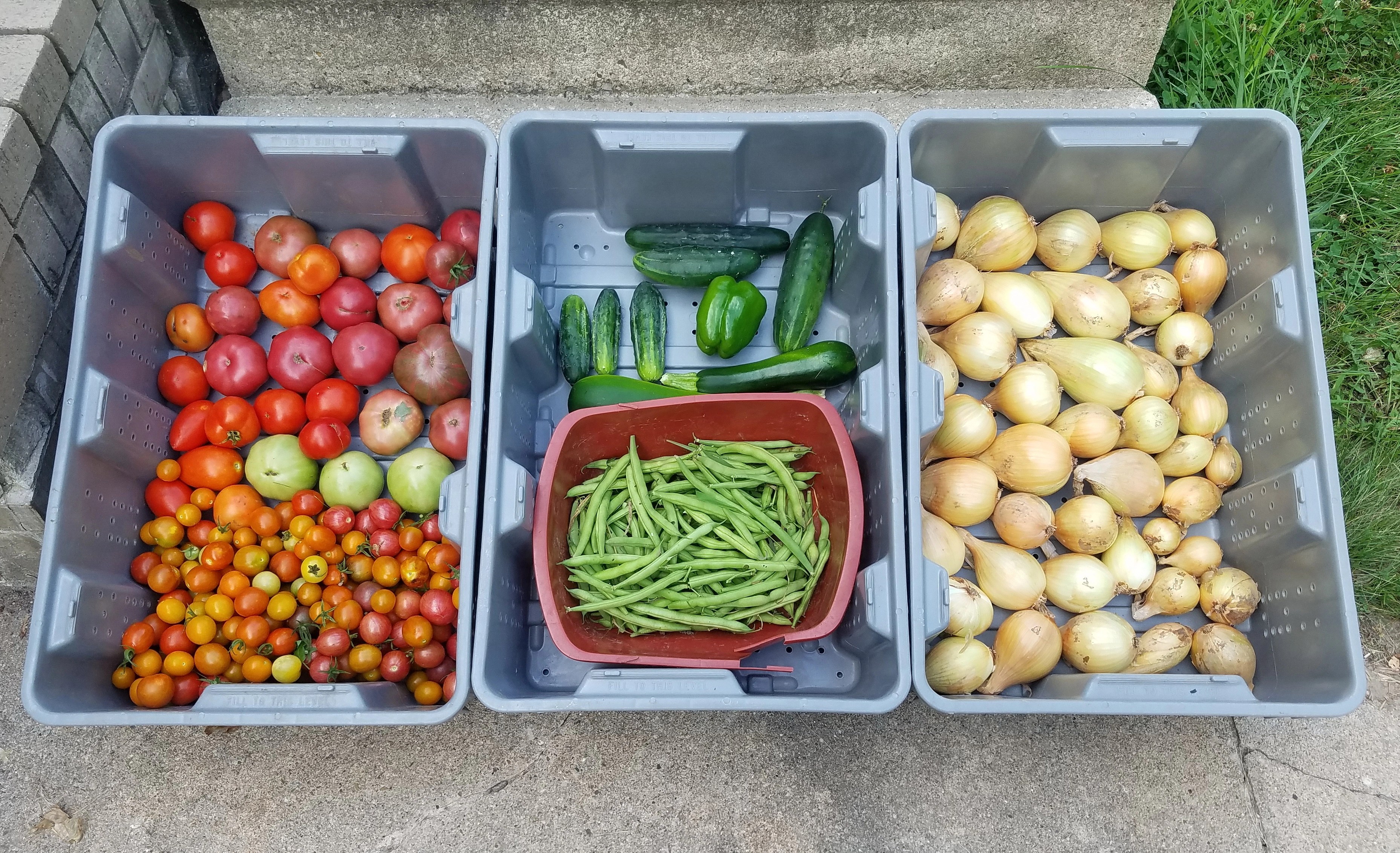
Despite near drought conditions most of this growing season, our garden is producing the best crop I can remember. Our ability to irrigate is most of that. I’m also becoming a better gardener. We don’t have it as bad as California does.
Because of dry conditions over an extended period of time, California farmers are letting fields go fallow. Without rain or irrigation there is no point in putting seeds in the ground. California Governor Gavin Newsom issued three drought emergency proclamations this year, in April, May and July. The state called for residents to reduce water use by 15 percent to stretch supplies and protect water reserves. While this drought is not the worst on a 1,000 year time line, it is bad and if it continues it will affect what shoppers see in grocery stores. It goes without saying prices will trend upward.
Because of drought in western states, what we do in our Midwestern back yards increases in value.
When Michael Pollan released this video in 2010, the landscape for local food was different. His focus was on the amount of fossil fuel it took to produce vegetables in California and distribute them across the United States. He also discusses the energy required to make processed foods, like Hostess Twinkies. While avoiding global warming remains a reason to eat locally, with drought made worse by climate change, supply becomes an issue. If California farmers are not planting crops, if almond trees are not sustainable there, how will we get nutritious food? There are few better solutions than growing one’s own and sourcing locally.
“Earlier this year, the European Union was celebrated in headlines across the world when renewable energy surpassed the use of fossil fuels on the continent for the first time in history,” wrote Majlie de Puy Kamp for CNN.
The European Union pledged to reduce greenhouse gas emissions and approved burning biomass as an alternative to coal, categorizing it as a renewable fuel. They found wood pellets were a suitable, renewable fuel to produce electricity and searched the globe for enough of them.
“The American South emerged as Europe’s primary source of biomass imports,” de Puy Kamp wrote.
Enter companies like Enviva, the world’s largest producer of wood pellets, with four wood pellet manufacturing plants in North Carolina.
The world’s leading authority on climate science, the Intergovernmental Panel on Climate Change, explicitly recognizes bioenergy as a renewable energy source that is critical to our low-carbon future. The IPCC also concludes that sustainable forest management is critical to prevent forest conversion to non-forest uses.
We need bioenergy both to replace fossil fuels and to keep forests as forests.
The IPCC states in its guidelines “do not automatically consider or assume biomass used for energy as ‘carbon neutral,’ even in cases where the biomass is thought to be produced sustainably.”
As I wrote in 2015, while the carbon cycle of renewable fuels can eliminate putting fossilized carbon into the atmosphere, and reduces emissions of particulate matter, the amount of CO2 released when burning biomass is about the same as with burning coal. What makes burning wood pellets and other biomass “sustainable” is we would leave more fossilized carbon in the ground.
Burning stuff to release energy that is made into electricity remains problematic in terms of emissions. While windmills, solar panels and hydroelectric generators are not without issues, these forms of electricity generation better serve our future energy needs as we work to reduce greenhouse gas emissions.
As we contemplate the EU’s path to reducing reliance on fossil fuels, there is another issue that gets lost. The quest for wood pellets has greater impact on marginalized communities near forests that are being harvested for fuel. Read de Puy Kamp’s article for more information about these climate justice issues.
“I can’t think of anything that harms nature more than cutting down trees and burning them,” said William Moomaw, professor emeritus of international environmental policy at Tufts University.
While the EU may meet an arbitrary goal of reducing its carbon footprint, by using wood pellets to generate electricity the achievement is more paperwork drill than actual reduction of greenhouse gases in the atmosphere.
In 2014 and 2015 I worked as a freelance reporter for three area newspapers. I refer to this article published on Oct. 7, 2015 in the Iowa City Press Citizen frequently in my work on the climate crisis and post it here for easy reference.
UI study finds benefits in burning oat hulls for thermal energy
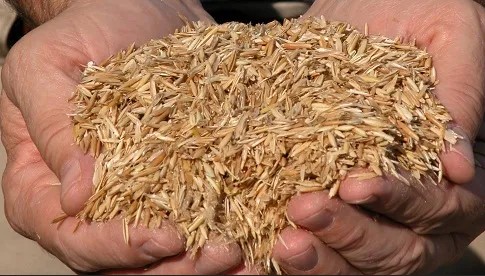
Biofuel use is a well-known contributor to meeting sustainability goals at the University of Iowa. Since 2003, UI has used oat hulls sourced from Quaker Oats in Cedar Rapids to generate electricity, heating and cooling on campus.
Several chemistry department faculty and students recently completed a study of gas and particle emissions from co-firing coal and two types of biomass versus straight coal at UI’s main power plant.
Researchers also found that using oat hulls with coal reduced carbon-dioxide emissions by 40 percent and significantly reduced the release of particulate matter, hazardous substances and heavy metals.
“The UI is working toward meeting a goal of using 40 percent renewable energy by 2020,” said Betsy Stone, an assistant professor in UI’s chemistry department. “Part of their plan to achieving that goal is the use of biofuel, which is a renewable source of energy, instead of fossil fuel, in this case coal.”
The group was interested in understanding how using biomass instead of coal changed emissions released into the atmosphere, Stone said.
“When burning 50 percent oat hulls and 50 percent coal, we saw a big reduction in criteria pollutants compared to burning 100 percent coal,” she said. “When I say ‘criteria pollutants,’ I’m talking about things like fossil carbon dioxide, sulfur dioxide and particulate matter.”
Use of the 50/50 mixture reduced the mass of particulate matter by 90 percent, Stone said.
While overall CO2 emissions were constant among the three fuels used in the study — straight coal, 50/50 oat hulls/coal, and 3.8 percent wood chips/96.2 percent coal — the use of plant material makes the process more sustainable, Stone said. Biomass takes CO2 out of the atmosphere and incorporates it into the plant. When it’s burned, CO2 is released.
“It’s considered to be a renewable fuel because we have that carbon cycle going on,” Stone said. “With fossil fuels, we’re releasing fossilized carbon. It goes into the atmosphere and takes millions of years to get back to fossilized form again.”
The major take-home message is there is a significant reduction in fossilized CO2, sulfur dioxide and particulate matter, which is beneficial to people living near the power plant, Stone said.
“I thought the study was definitely encouraging and in line with our thoughts that biomass is good for the environment,” said Ben Anderson, UI power plant manager. “Overall, the results are encouraging and provided assurance we are going the right way with the biomass project.”
The biomass project brings the renewable component to the plant, but is also a component of fuel diversity, he said.
“That’s really important for reliable operations,” Anderson said. “Natural gas markets have been known to spike from a cost perspective. If there is a problem with pipeline transport, we can use the biomass and still keep this plant online.”
Maureen McCue, coordinator for Iowa Physicians for Social Responsibility, noted important considerations of this study, including locally sourced fuel options and the avoided cost of buying and shipping coal. McCue called UI’s biofuel efforts “a good use of a resource that might otherwise go to waste.”
“The mixture avoids some of the known adverse health effects associated with burning more coal,” McCue said in an email. “There is no health benefit to anyone unless you assume burning coal is obligatory/unavoidable and thus count as benefited the person(s) who would have been impacted by more coal.
“It’s like saying not hitting your head with a hammer is a health benefit,” she added. “No one wants to risk their health breathing coal emissions or headaches by hammer if there are alternatives.”
I met Finn Harries at the May 2015 Climate Reality Leadership Corps training in Cedar Rapids, Iowa. He and his identical twin brother Jack had turned their attention, and that of their large YouTube following, to work on the climate crisis.
In July 2020, a group including Finn, Jack and Alice Aedy formed Earthrise Studio to produce work related to mitigating the effects of the climate crisis. It is “a way of combining their shared interests in film making, photography and design,” according to the website. It operates as a full service creative studio with a dedicated team of designers, filmmakers, and writers addressing the climate crisis in their work.
To learn more about Earthrise Studio, Follow them on Instagram or check out their website and its content about addressing the climate crisis at https://www.earthrise.studio.
In March I wrote my U.S. Senators Chuck Grassley and Joni Ernst about the climate crisis as follows:
I hope you will support the efforts of the Biden administration to act to mitigate the effects of our changing climate. Naturally I’m curious about your views on how you might address the effects of climate change while in the U.S. Senate. The approach of the Biden administration regarding mitigation of climate change is such there should be many areas in which to work with them without supporting an overarching environmental bill. I look forward to hearing your policy stances and how you can help address climate change while you are in the Congress. Thank you for your public service.
During a recent conference call with Ernst and a group of environmental activists, she touted her support for the then upcoming vote on the Growing Climate Solutions Act, the first bill to specifically address climate change since Biden was sworn in. Grassley and Ernst joined the 92-8 Senate majority to pass the bill on June 24. (Booker, Hawley, Inhofe, Lee, Markey, Merkley, Sanders and Warren were nays). Storm Lake journalist Art Cullen opined in the Washington Post, “Ignore the chatter. Stuff is getting done. And both parties are helping.“
After familiarizing myself with the bill, I can only ask of the legislators, “What else you got?”
Below are the Iowa senators’ unedited responses to my query. Grassley’s is first because he is our senior senator. Ernst replied first. I’m glad to hear from our elected representatives.
April 14, 2021 Dear Mr. Deaton:
Thank you for taking the time to contact me with your concerns about the environment. As your senator, it is important to me that I hear from you.
I appreciate hearing your concerns about climate change. In contacting me, you shared your support for climate-related legislation. While I believe a changing climate is a historical and scientific fact, I also recognize that most scientists say man-made emissions contribute to these changes. With that being said, it is just common sense to promote the development of clean forms of energy. Throughout my tenure in the Senate, I have been a leader in promoting alternative and renewable energy sources as a way of protecting the environment and increasing our energy independence. I’ve been an advocate of various forms, including wind, biomass, agriculture wastes, ethanol and biodiesel.
I’m proud to let you know that Iowa has had much success in renewable fuels and wind energy production. As the number one producer of corn, ethanol, biodiesel and cellulosic ethanol, Iowa has the opportunity to lead our nation’s renewable fuels industry. This cleaner-burning, homegrown energy supports the economy by generating 47,000 jobs and nearly $5 billion of Iowa’s GDP. In 2018, Iowa produced 4.5 billion gallons of ethanol. In regards to environmental benefits, ethanol reduces greenhouse gas emissions by 46 percent compared to conventional gasoline.
Iowa’s wind industry ranks second in the nation behind Texas. Wind energy supports over 9,000 jobs in Iowa alone and provides 40 percent of the state’s electricity. As the “father” of the Wind Energy Incentives Act of 1993, I sought to give this alternative energy source the ability to compete against traditional, finite energy sources. Like ethanol and other advanced biofuels, wind energy is renewable and does not obligate the United States to rely on unstable foreign states.
The most effective action Congress can take to address this issue is to advance policies that increase the availability and affordability of alternative and renewable energy sources. If alternative energy sources can become more competitive, market forces will drive a natural, low-cost transition in our energy mix that will be a win-win for American families. I will keep your thoughts in mind as the Senate considers related legislation in the future.
Again, thank you for taking the time to contact me. I appreciate hearing your concerns and encourage you to keep in touch. Sincerely,
Chuck Grassley United States Senate
March 25, 2021 Dear Mr. Deaton,
Thank you for taking the time to contact me about the issue of climate change. It is important for me to hear from folks in Iowa on policy matters such as this.
As you may know, on January 21, 2015, during the Keystone XL Pipeline debate, I voted in support of S.A. 29, an amendment offered by Senator Sheldon Whitehouse (D-RI) that acknowledged the existence of climate change. I do believe that the climate is changing, however, the science surrounding climate change continues to develop, and additional, objective research needs to be done to conclusively identify the root causes. Our climate is experiencing a period of changing temperatures, but it is important to note that not all scientists agree on the cause.
I believe that government can take reasonable and concrete steps to protect and improve the environment. This includes encouraging the utilization of a diverse mix of energy resources and improving energy efficiency. We can also make personal choices that have a positive impact on the environment—I am a committed recycler.
I support an all of the above energy approach that increases America’s energy independence and domestic production. Iowa is a national leader in alternative energy sources. As a result, nearly 40% of electricity generated in our state is by wind. I believe America can responsibly take advantage of our nation’s abundant resources while also emphasizing conservation and efficiency.
We all care about clean water and clean air, but any efforts to reduce pollution must be done in a thoughtful manner that involves the communities, businesses, and families that will be most affected by changes to rules and regulations. Climate change is an international issue, not one limited to the United States. Any policies designed to mitigate the effects of climate change should take into consideration the impact they will have on American consumers and also on our businesses and their ability to compete globally and create jobs.
Please know that I will continue to keep your views in mind as the Senate works on this issue. Feel free to contact my office with any further information, as I always enjoy hearing from Iowans. Sincerely,
What can we do when confronted with the climate crisis? The answer is everything. If climate change is developing faster than human solutions, what then?
During the last few months we have been assaulted with news about the climate crisis getting worse. Lake Mead is at its lowest level since the Hoover Dam was built, threatening downstream communities with loss of needed water. People are dropping dead on the street in the Pacific Northwest which is experiencing record high temperatures. President Biden called a White House meeting with Republican and Democratic Western Governors about the continued heat wave and wild fires it caused. Above the Arctic Circle in Siberia, ground temperatures approach 120 degrees, melting the permafrost. 2020 was the hottest year in recorded history for Antarctica, causing a record 1,600 square mile iceberg to calve off the Ronne ice shelf into the Weddell Sea. Drought continues in Iowa, the worst in 20 years. This is what I mean by being assaulted.
Professor Julia K. Steinberger offers a toolkit for would-be climate activists in info graphic format here. It is pretty cool and accessible. It offers things a person can do to address the climate crisis. It is something, not everything. It is not enough.
The next step in taking effective action to address global climate change is to understand where we are. According to Bill McKibben in the New Yorker, we’re not in a good place.
“The earth won’t simply keel over and die like a human being might, but it is now changing in substantial ways in real time,” McKibben wrote. “If you’re used to thinking that the earth changes in the course of geological epochs, and that fundamental shifts require thousands or millions of years, think again.”
“The speed with which this happens is remarkable,” he said. “And it is dramatically outpacing the speed at which humans—our governments, our economies, our habits, our mind-sets—seem able to adapt.”
In a piece in the New York Times, Farhad Manjoo opined, “Democrats have a year to save the planet.”
We’d better get going.
While we need to do everything possible to avert the worst effects of the climate crisis, the longest, most complicated journey begins with a single step. Click on the links in this post. Read the articles. Discuss them with friends. Figure out how you can contribute to solutions to the climate crisis.
It is abnormally dry in our part of Iowa. Just as we are needing rain, we are not getting it. A home gardener can irrigate new trees, fruits and vegetables, but the massive scale required to hydrate Iowa’s main commodity crops and livestock is not available. Creating the infrastructure to pump water from ancient aquifers is doable, yet an unsustainable practice. It seems like we are heading into a drought. (The map is from the state climatology website which provides data about precipitation, temperature and other aspects of the climate).
Iowans are familiar with drought. In the 2012 drought corn yield per harvested acre was 123.1 bushels compared to the average of the seven following years at 170.4 bushels. The drought decreased corn production by 27.8 percent according to USDA numbers.
There is a relatively finite amount of water on Earth which cycles through the atmosphere, on land, and in the oceans. Some of it rests in deep underground aquifers where it has been since prehistoric times. An increasingly warm climate impacts how water cycles and it is getting hotter. “Earth’s global average surface temperature in 2020 tied with 2016 as the warmest year on record,” according to an analysis by NASA. The oceans are getting warmer too.
Rising air and water temperatures and changes in precipitation are intensifying droughts, increasing heavy downpours, reducing snowpack, and causing declines in surface water quality, with varying impacts across regions. Future warming will add to the stress on water supplies and adversely impact the availability of water in parts of the United States.
The problem goes beyond Iowa. The Hoover Dam, located on the Colorado River near the Nevada-Arizona border, is suffering the consequences of drought. Lake Mead, the artificial lake created by the dam, is at a lower water level than was when it was built. The water shortage will impact 25 million people including in the cities of Los Angeles, San Diego, Phoenix, Tucson and Las Vegas.
Farmers are abandoning crops, Nevada is banning the watering of about one-third of the lawn in the Las Vegas area, and the governor of Utah is literally asking people to pray for rain.
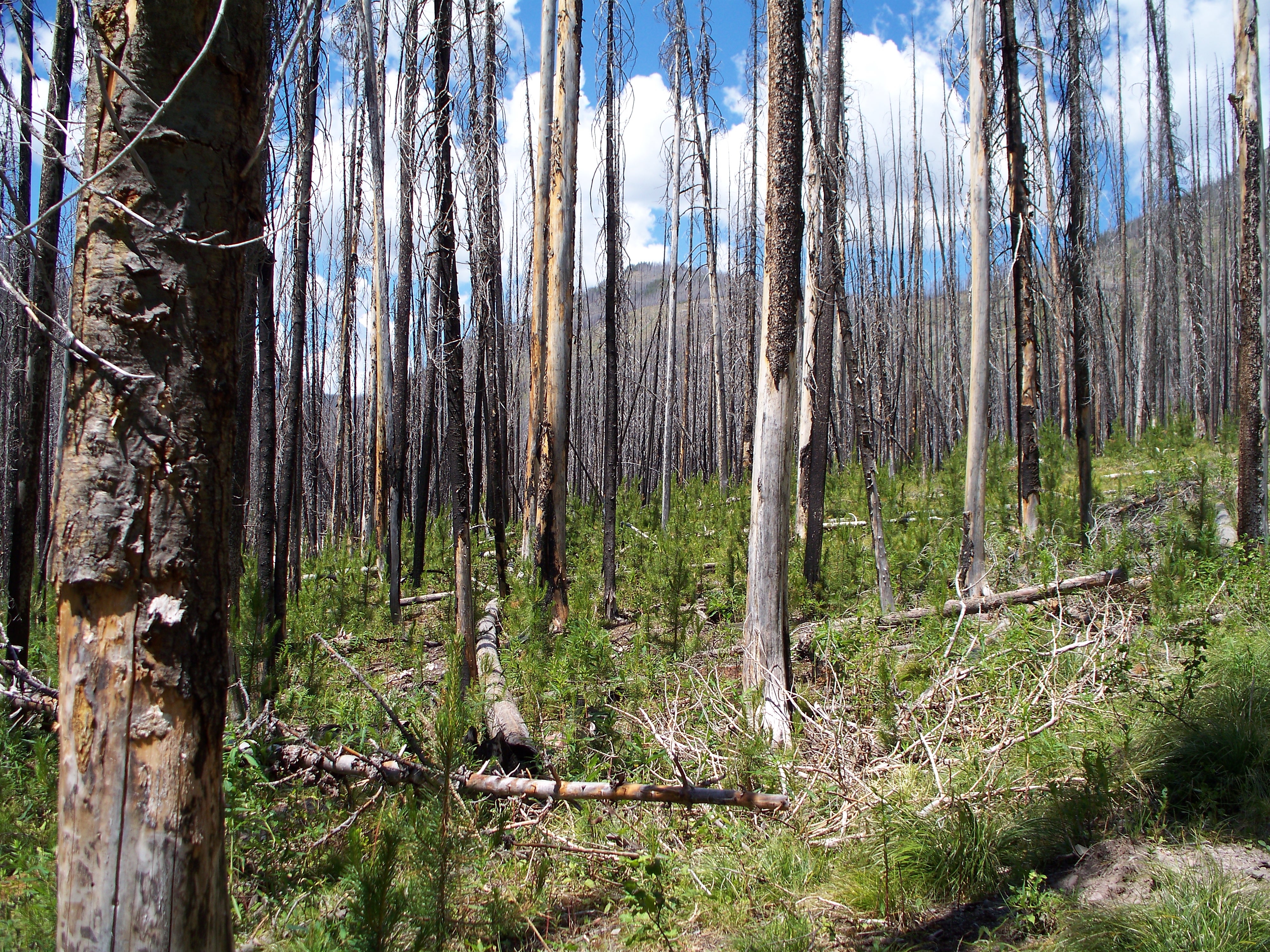
Firefighters are facing worsening conditions this summer — after nearly 10,000 fires in California alone during the last wildfire season burned 4.2 million acres (1.7 million hectares), an area nearly as large as Kuwait.
Water in California’s Lake Oroville will fall so low this summer that its hydroelectric power plant may be forced to shut down for the first time.
We must do something more than pray for rain. It begins with recognition.
The Lakota phrase “Mní wičhóni” (“Water is life”) was the protest anthem from Standing Rock heard around the world, but it also has a spiritual meaning rooted in Indigenous world views. For Native Americans, water does not only sustain life, it is sacred.
Action to prevent drought must include acknowledging that climate change is real, something Senators Chuck Grassley and Joni Ernst have both done. The next step is addressing the climate crisis through policy and legislation and that’s been the rub. The climate crisis is more complicated than any single policy or law.
Peter Rolnick of Citizen’s Climate Lobby wrote a guest opinion in the Cedar Rapids Gazette on June 15, 2021. He commended the Iowa senators and Rep. Cindy Axne for supporting the bipartisan Growing Climate Solutions Act. If passed, the law would engage farmers in storing more carbon in our soil instead of emitting it into the air in the form of carbon dioxide or methane. The relationship to drought is clear. A molecule of CO2 or methane sequestered in the ground is one that does not get into the atmosphere and increase warming. Even the American Farm Bureau is in favor of this bill, which on its own raises red flags. One bill is not enough.
We need much more in the way of policy and legislation. The Biden administration’s approach of embedding work on climate change in each of the executive branch departments is important. It is up to each of us to encourage those in government to work toward viable climate solutions. There are personal actions we can take to reduce our carbon footprint, yet the most effective action is in the government arena. If constituents don’t remind members of our governing bodies to act on the climate crisis, they seem likely to forget.
We’ll know it when we hit the drought this year. News media has been forthright in reporting it because so many Iowa livelihoods depend upon the weather. When will we wake up to take action to address what is causing the drought? Not soon enough.
Thermal energy came from the pile of white ashes on this year’s tomato patch. It warmed my hands. The embers will exhaust their fuel soon and I’ll spread them on the ground after they cool. Tomatoes will be the last to be planted in a few weeks.
The burn pile was mostly branches from the felled oak tree. Yesterday I cleared three garden plots for spading, tilling, and then planting: more steps on the path to a productive garden.
It looks like Tuesday night’s hard frost killed most of the beets and damaged broccoli, kale and collards. I have plenty of seeds and seedlings for replanting. First we’ll see if the bigger plants recover before yanking them out.
The Washington Post published an article about transportation and the shift to electric vehicles. It gave reasonable consideration to the operating costs of such vehicles, and the trade offs between operating a gasoline powered vehicle and going electric. I found if the car gets parked most of the time, very little gasoline is burned.
Thus far in 2021, I spent $36 on gasoline; in all of 2020, $492; and in 2019, $930. The coronavirus pandemic curtailed our driving and reduced how much gasoline we purchased. Unless one of us returns to working a job, the gasoline we burn for transportation should be minimal.
All the same, the news in the Post article about the inefficiency of internal combustion engines was eye-opening.
Most internal combustion engine cars are so inefficient that the vast majority of energy produced by burning gas gets lost as heat or wasted overcoming friction from the air and road. In other words, instead of filling my car’s 16.6-gallon tank, I might as well put 14 gallons of that gas in an oil drum, light it on fire and watch the smoke drift upward.
When you put it that way, of course we’ll look at buying an electric car. We need to stop burning fossil fuels as quickly as we can.
When I burn brush on a garden plot I’m releasing carbon into the atmosphere, along with returning minerals to the soil. However, what I’m doing is already part of the carbon cycle and therefore a renewable process. University of Iowa chemistry professor Betsy Stone explained it to me:
“It’s considered to be a renewable fuel because we have that carbon cycle going on,” Stone said. “With fossil fuels, we’re releasing fossilized carbon. It goes into the atmosphere and takes millions of years to get back to fossilized form again.”
I cut the stump of the oak tree tall so I could sit on it while contemplating the garden or needing a rest. Yesterday, while figuring out where to plant things it occurred to me burning brush was a good thing. I also thought we should probably get an electric vehicle.
While the first burn is done, I’ll be sitting on that stump coming up with ideas more often. Some of them will make their way into doing things.


.jpg)


 Journey Home
You must be logged in to post a comment.