In response to a writers group opinion piece that appeared in the Iowa City Press Citizen on July 14, 2013. Posted on July 16 via Facebook.
“The Public Policy Institute, housed at Iowa Wesleyan College, and with which Ms. Thornton is affiliated, can accurately be characterized as a home for climate change deniers. On their website it says, ‘…data from the Intergovernmental Panel on Climate Change shows an upward trend in the earth’s temperature over the twentieth century. However, satellite date (sic) compiled by climatologist John Christy shows no such trend. Nor does data provided by readings from weather balloons.’ There are other examples of denial.
The reality is Earth’s temperature is warming and burning the fossil fuels referred to in this article has played and continues to play a substantial role in global warming and climate change. Ms. Thornton’s purpose is to cast doubt on the the public discussion of climate change. In a free society, that is her choice, but the reality is her economic arguments will prove vapid if society cannot adapt to and mitigate the causes of global warming fast enough.”
LAKE MACBRIDE— The advantage of a kitchen garden is when a cook needs something, it is a short walk to the food supply… and it’s ultra-fresh. While making red beans and rice for lunch, I remembered there were large Anaheim peppers in the garden so I went to pick a couple to dice and add to the dish. While there, the cucumber plants were droopy, meaning they wanted water in the hot sun. My policy is watering cucumbers and squash twice a day is all I’m willing to do. If they can’t make it here on that— well tough toenails.
Perhaps it’s a little harsh, but drought is an ever-present reality in Iowa. The pattern of average annual rainfall makes it possible to grow crops in abundance without extensive irrigation like they have on Nebraska’s Ogallala Aquifer. It’s part of what makes Iowa Iowa, but that may be changing.
While early summer has been as good as it gets, we need rain now. The few extra gallons I may sprinkle on squash and cucumber plants will not deplete the Silurian aquifer, yet frugal dispensation of water is one way I am adapting to climate change. The county actually studied the aquifer and found there is plenty of water to meet current and future needs.
There have been and will be plenty of cucumbers. I started my third fermentation of dill pickles this morning, and yesterday planted new cucumber seeds in trays for the fall harvest. Schedule permitting, I’ll plant a couple more rows directly in the garden as July wanes. These actions, with a supply from the CSA, and there is no need to preserve the current cucumber plants by abnormal watering. In any case, they still might make it.
Black Raspberries
It has been a busy day in the kitchen. In addition to dill pickles and red beans and rice, half of the black raspberries were made into a thick dark syrup to use on biscuits, toast, pancakes and other applications. If I had pectin on hand, I would have made jelly. The syrup is so good and can be used in other applications, so the pectin was not missed.
One other item for my wheat-free friends. We had a pint of pasta sauce on hand, and instead of pasta, I got out the mandolin, purchased for a buck at a household auction, and using the finest blade, cut a long yellow squash and zucchini into “noodles.” I brought a pot of water up to a boil, cooked them four minutes and served like pasta. Very tasty and gluten free. Also one more thing to do with the abundance of squash.
Now off to the kitchen for the perpetual cleaning up.
Last week was arguably the best summer weather we have had in many years. Temperatures were moderate and humidity low; some rain, but not too much; and glorious partly cloudy skies coupled with a light breeze. A bit of imitation vanilla extract on the nose, and even swarms of gnats couldn’t spoil the enjoyment.
Everyone I know who has a garden is having an abundant year of produce. Foragers can find plenty of black raspberries, and while the Iowa DNR sprayed the lily pads on Lake Macbride, one more toxic substance in the water won’t kill us— we hope.
Climate change is real. Any question that greenhouse gases are warming the planet, and are caused by human activity has fallen away to leave the more appropriate one, “what will we do about climate change?” The crazy weather we have been experiencing recedes from view on days like last week, while coal and natural gas power plants continue to dump CO2 pollution into the atmosphere like it was an open sewer to air-condition our homes. There are two issues: protecting what we hold dear from the effects of climate change, and doing something to address the causes of greenhouse gas emissions.
While addressing climate change is complicated, things we can do to help are not. Reduce energy use at home by turning off lights after leaving a room and unplug your computer and mobile phone chargers when they are not in use. Change how we think about transportation by consolidating errands. We should be doing these things anyway.
The point is not to radically change how we live, but to join the vast majority of Americans in acknowledging that climate change is real, and poses a tangible threat to how we live. Then take steps to personally do something about it. You will be glad you did.
 In response to a writers group opinion piece that appeared in the Iowa City Press Citizen on July 14, 2013. Posted on July 16 via Facebook.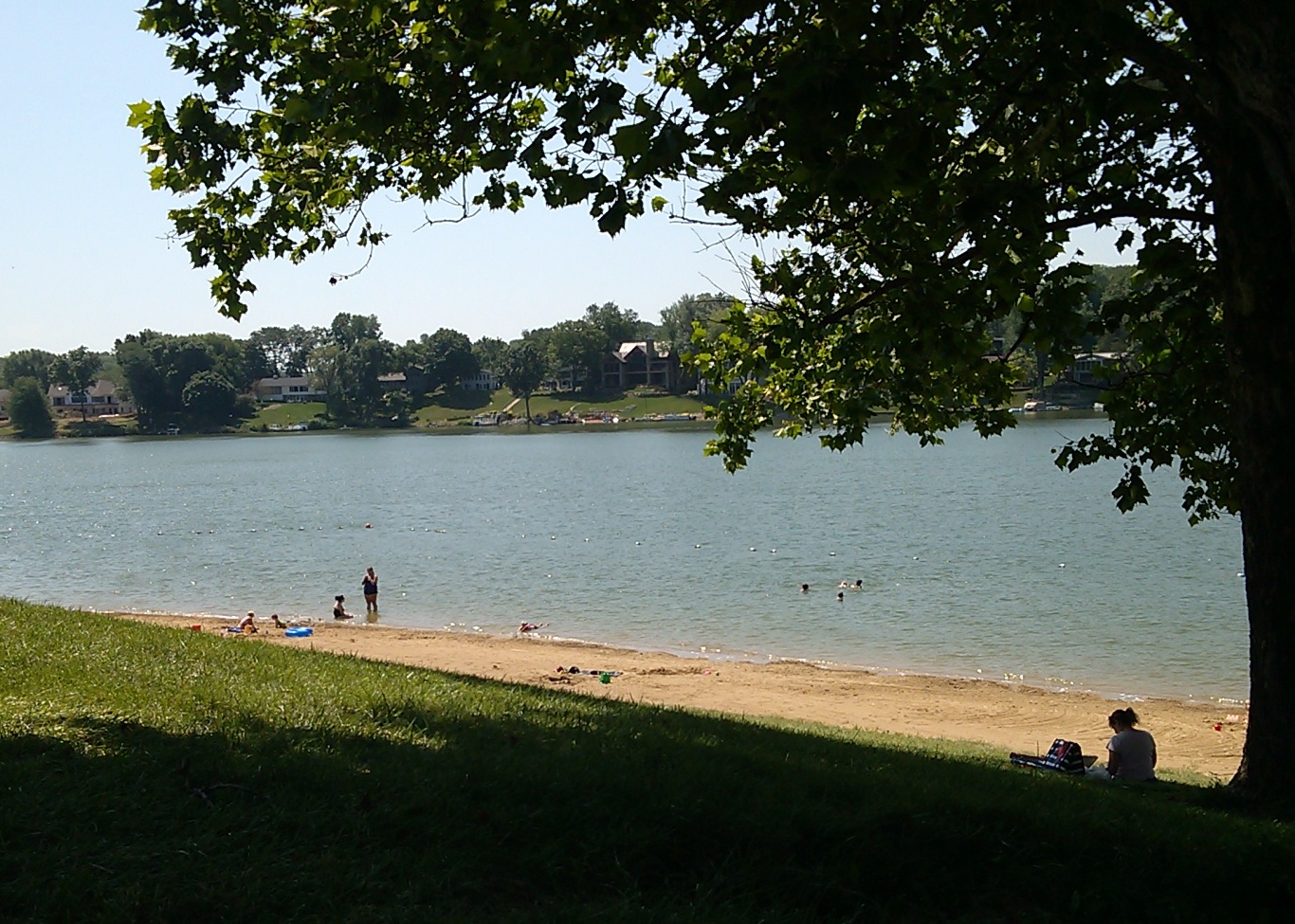

 Journey Home
You must be logged in to post a comment.