While in high school, Earth Day served a pressing purpose. NASA astronaut Bill Anders had taken the famous Earthrise photograph on Dec. 24, 1968, Rachel Carson’s Silent Spring, describing the impact of use of the pesticide DDT, was published in 1962, and there were no legal or regulatory mechanisms to protect our environment. Teenage me was inspired to take action and we did the best we knew how to support the effort. Mostly that meant selling Earth Day buttons like the one in the photograph to raise funds.
Earthrise Dec. 24, 1968
Word from Washington, D.C. is the president is planning to note Earth Day 2025 by signing executive orders that would strip some environmental nonprofits of their tax-exempt status, setting up a possible Earth Day strike against organizations seen as standing in the way of the president’s push for more domestic oil, gas and coal production, according to Bloomberg News. How the worm has turned.
The trouble is that to address the climate crisis, governments must be involved. While this administration is temporary, the harms from doing little or nothing for the remaining time could do permanent harm. That is to say, Earth will be fine. It’s the people who live on it who are in harm’s way.
Now is the time to find like minded people who support the science behind climate change and band together to do something. What is possible is an open question.
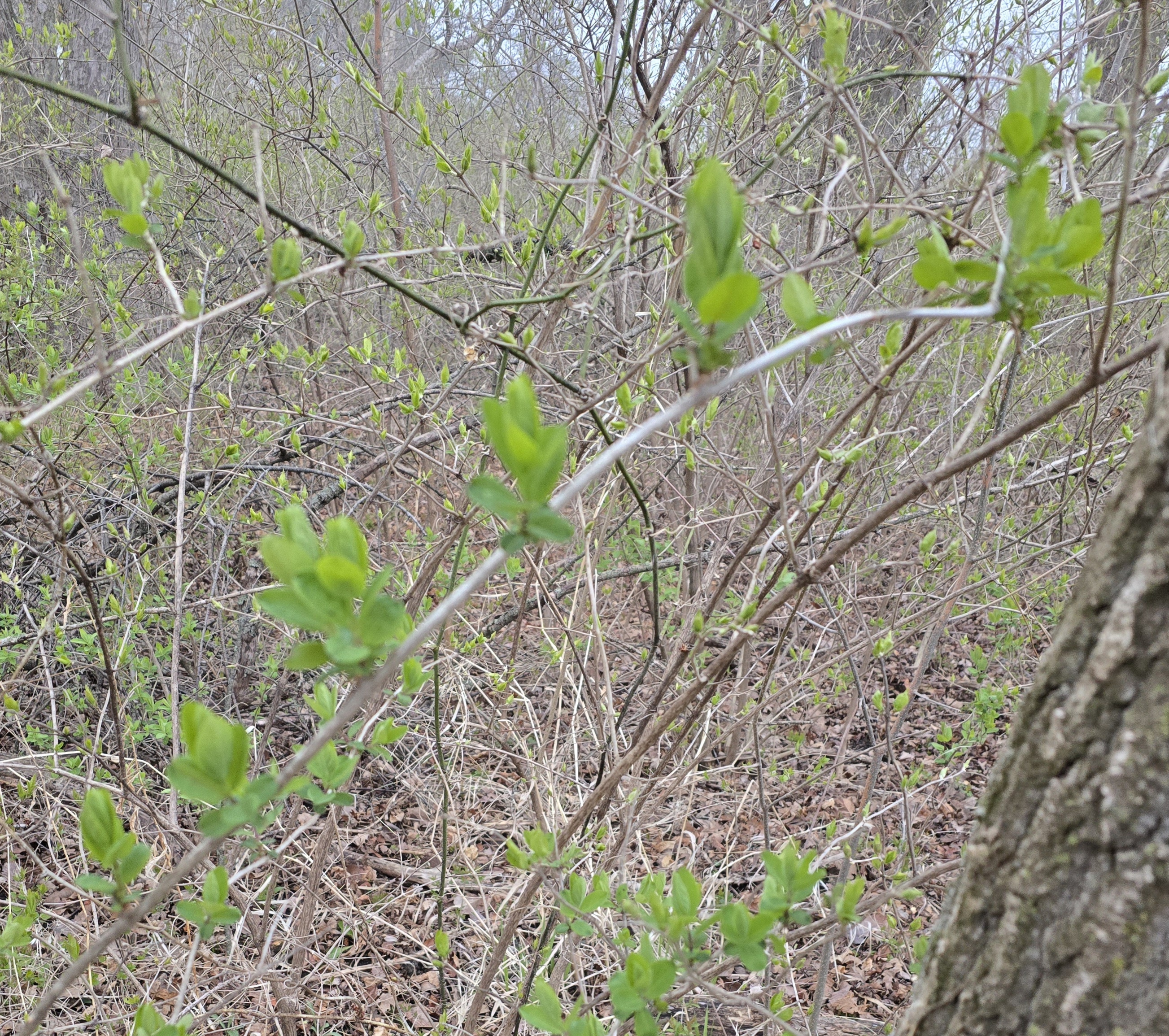
Pear Blossoms, April 19, 2025.
Editor’s note: The president signing these executive orders did not make news today.
It snowed overnight on March 20, leading into spring.
The year we moved to Indiana’s Calumet Region in 1988 marked the onset of the worst U.S. drought since the Dust Bowl. The 1988-1990 North American Drought covered a smaller amount of geography compared to the 1930s Dust Bowl yet it was the most expensive extreme weather event in terms of monetary damages in U.S. history until that time.
Nearby Milwaukee, Wisconsin, set a record 55 consecutive days without measurable precipitation. During summer heat waves, thousands of people and livestock died. The drought led to many wildfires in western North America, including record fires in Yellowstone National Park in 1988.
While living in the Calumet, I understood the region’s activities were adding carbon dioxide to the atmosphere, enhancing the greenhouse effect that causes planetary warming. This includes the enormous Amoco Oil Company refinery located 23 miles from our house.
In 1988, we were turned inward, living our family life. We also had air conditioning. I did not understand how prevalent the deleterious effects of climate change would become in our lifetimes. It was one of what became a series of extreme weather events leading through time to when I wrote this post. We understand now.
The United Nations suggests ten thing we can do to address climate change. They even have an app! It is not too late to begin addressing our contributions to global warming and environmental degradation. Click here to learn more about what you can do.
According to the sensor installed on the north side of the house, the ambient temperature was 13 degrees below zero Fahrenheit when I began writing this post. The sun is rising and it warmed up. We’re not at zero yet, although the high is forecast at 25 degrees. Today the weather is weird again.
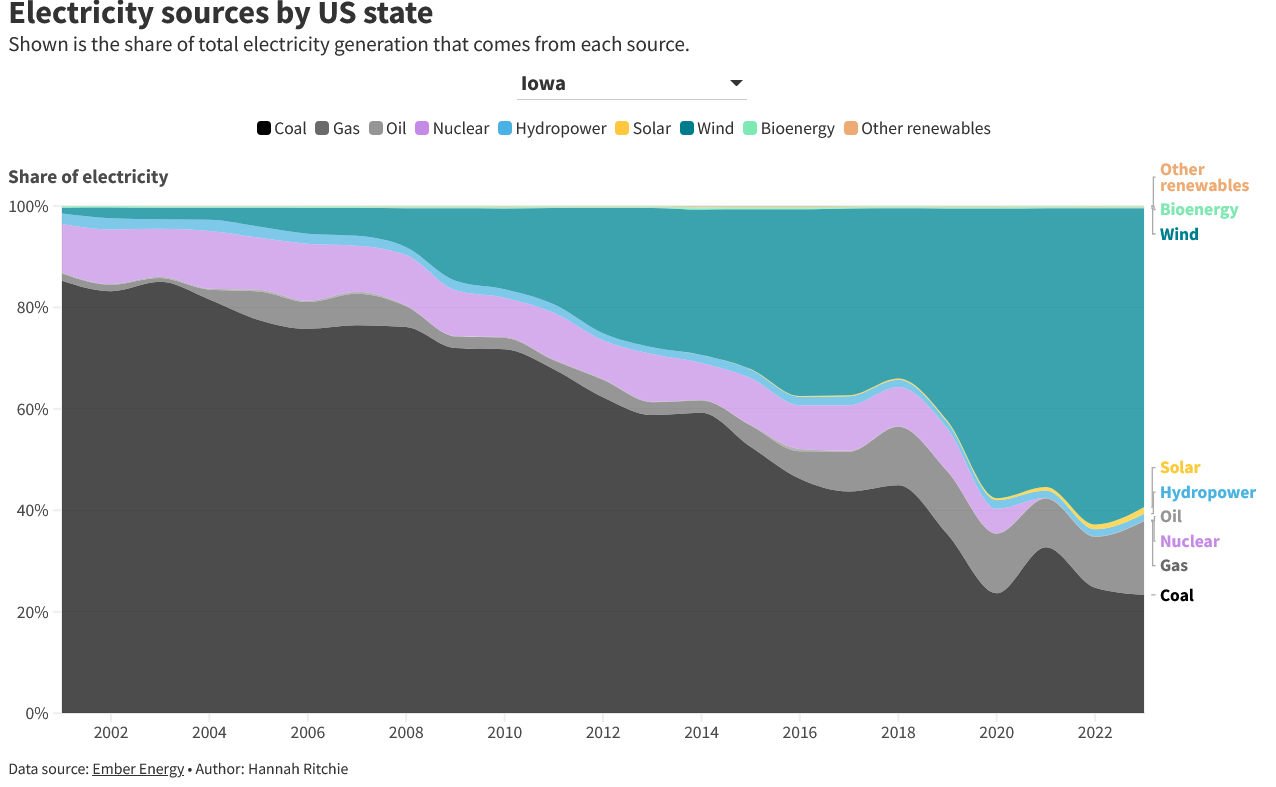
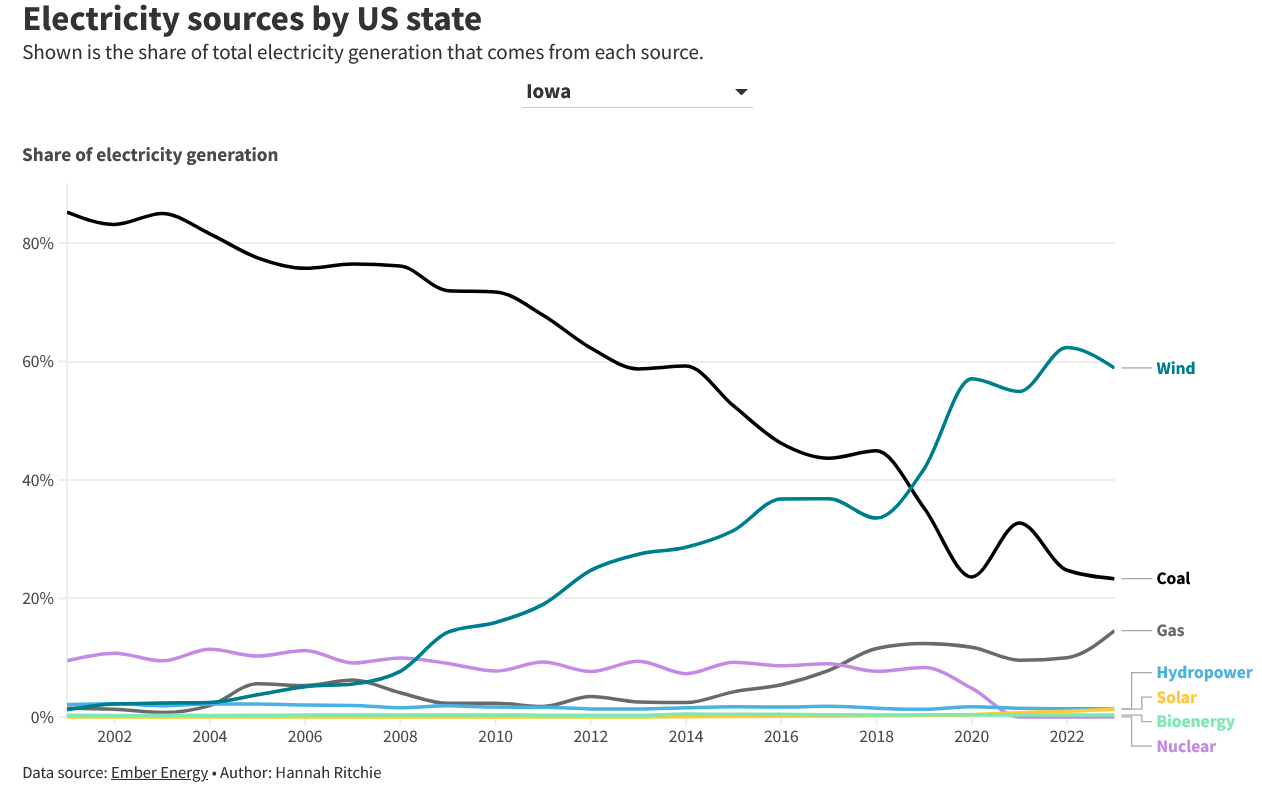
Iowa is a leader in wind energy and has plenty of room to improve our solar capacity. There are environmental issues with every form of electricity production, yet burning fossil fuels is our most immediate danger because of the role of carbon dioxide in enhancing the greenhouse effect. Despite today’s low temperatures, Iowa is simply too darn hot.
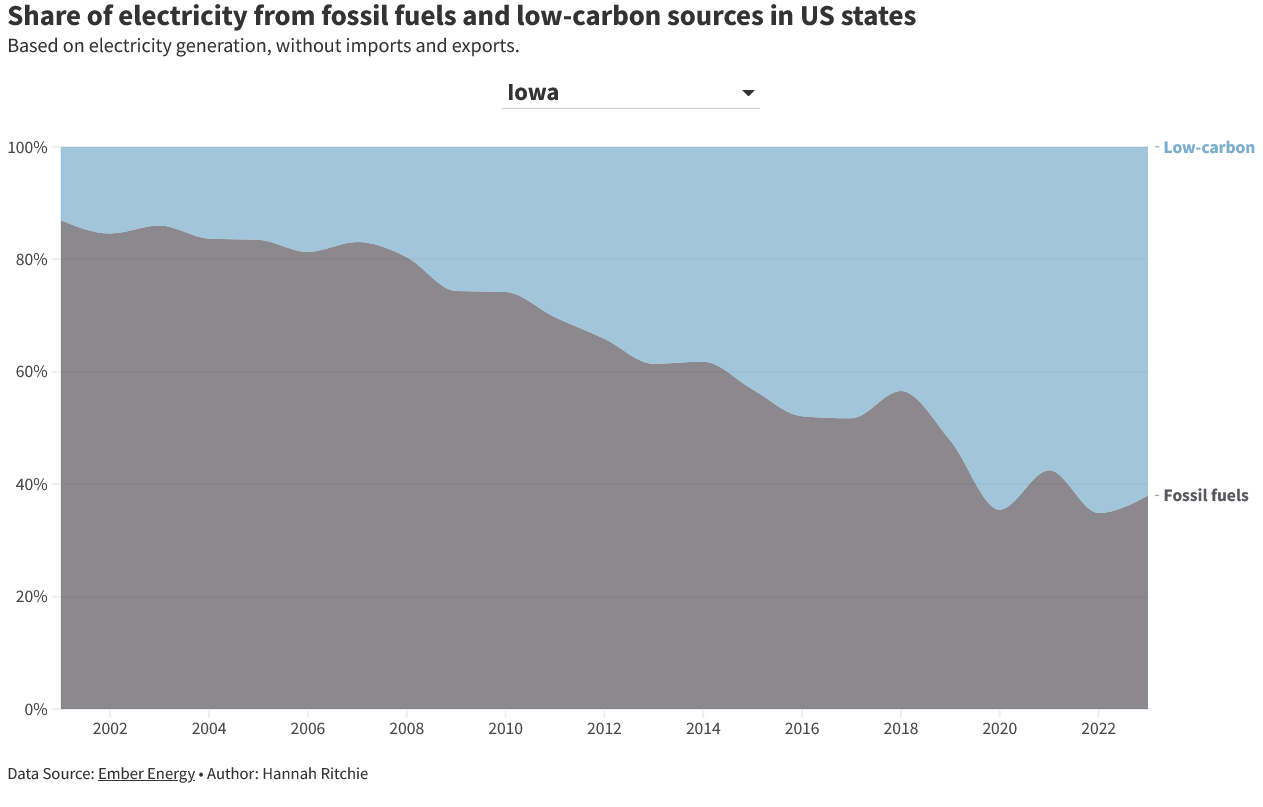
The trend on the following chart is the right one. As a state, we need to move more quickly.
It seems obvious to me that to get to zero fossil fuels used to generate electricity Iowa needs to install many more solar panels. There are issues with both wind and solar generated electricity.
The wind doesn’t always blow and the sun doesn’t always shine. They can be addressed. One of the key strategies to deal with intermittency, which is what this is called, is to improve the forecasting and planning of renewable power generation and demand. Another strategy is to invest in storage and integration solutions that can balance the supply and demand. A third strategy is to foster innovation and adaptation. This involves developing and deploying new technologies, designs, and practices that can enhance the performance, efficiency, and resilience of renewables. We need the will to solve these problems.
So the news about electricity generation in Iowa is positive. We just need more renewables and technological solutions to deal with intermittency so we can replace fossil fuels altogether. To a reasonable mind, this can be accomplished. Now we just need our regulatory and governmental authorities to get on board.
With Al Gore and Company in Chicago 2013. This is about half the attendees. I’m in there somewhere.
The 29th Conference of the Parties was a disappointment. Fossil fuel interests hindered the ability to accomplish constructive things since the beginning of the process. Now, they stopped anything except the most minimal action at COP29. Former Vice President Al Gore summarized the situation in this statement:
November 23, 2024
While the agreement reached at COP29 avoids immediate failure, it is far from a success. On the key issues like climate finance and the transition away from fossil fuels, this is — yet again — the bare minimum.
We cannot continue to rely on last-minute half measures. Leaders today shirk their responsibility by focusing on long-term, aspirational goals that extend far beyond their own terms in office. To meet the challenge of our time, we need real action at the scale of months and years, not decades and quarter-centuries.
This experience in Baku illuminates deeper flaws in the COP process, including the outsized influence of fossil fuel interests that has hobbled this process since its inception. The Kingdom of Saudi Arabia has been particularly obstructive. Putting the future of humanity at severe risk in order to make more money is truly disgraceful behavior. Reforming this process so that the polluters are not in effective control must be a priority.
On climate finance, our primary task in the coming years must be to not only fulfill and build upon the financial commitments agreed to at COP29, but to unleash even larger flows of affordable and fair private capital for developing countries.
Ultimately, coming out of COP29, we must transform disappointment into determination. We can solve the climate crisis. Whether we do so in time to meet the goals of the Paris Agreement will depend on what comes next.
The climate is changing. Do humans have the capacity to protect all we hold dear from the ravages of the climate crisis? Time will tell. The Conference of the Parties is our last, best hope to stave off the worst impacts of human-caused climate change.
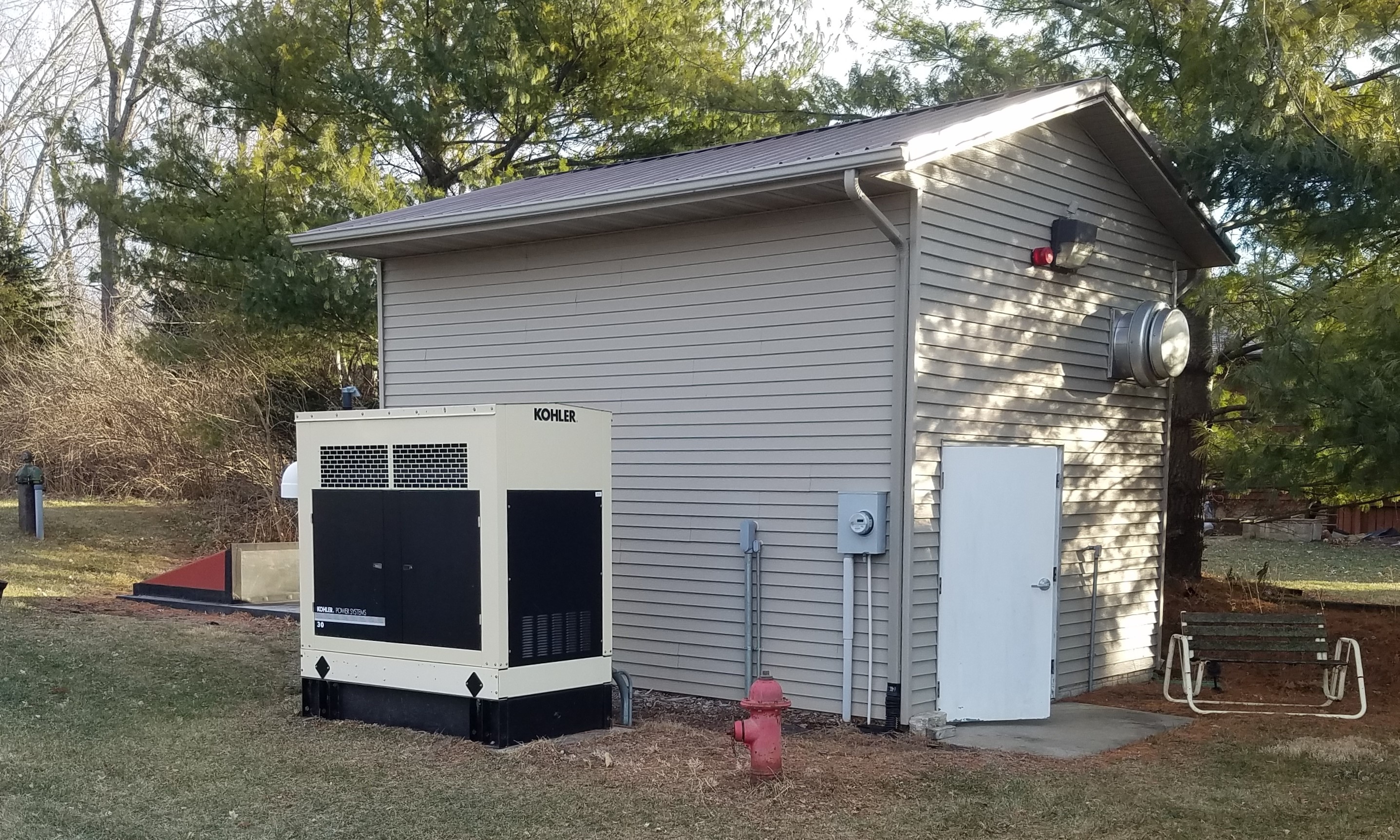
Public water system well water treatment building.
The annual meeting of my home owners association last summer was good. Thanks to all of our board members for their volunteer work. It was a pleasant evening in Randall Park. As is usual, very few members showed up for the picnic-style meal and conversation.
We discussed the association water system and the need to meet new compliance standards. The most recent compliance issue is inventorying the type of pipes bringing public water from the well to and inside our homes. I began following our public water system shortly after we moved here in 1993. We comply with new numbers as they come along. When we cannot get into compliance, we make an investment in extraordinary measures. For example, we spent $400,000+ to comply with revised arsenic standards.
I said this at the meeting and it bears repeating:
The water coming out of the well house into the community water pipes is fit to drink and use. It meets state and federal standards for a public water system. The board sent our annual water quality report in the last mailing. Read it!
We talked about water softeners. When Bob was president, he announced that water softeners were no longer necessary after installation of the new arsenic treatment facility. I’m not sure that information was adequately distributed at the time. However, the quality of water in a home is a matter of personal preference and expense.
Is the water delivered to our homes potable without treatment? Yes, it is. We have data to back that up. Do you want to wash your white clothes in untreated water? Maybe, maybe not. Since the new water treatment system was installed, there have been surges with heavy concentration of iron in it. A whole house filter combined with a water softener buffers users against such anomalies.
One set of data that assists in decisions about whether to treat water in our homes is a water hardness test. Those are locally available, usually for no cost, plus a volunteer in the association is willing to test your water without charge. If you have questions about using a softener, that is a beginning place.
The wastewater treatment facility was built in 1994. While it was maintained as things broke, there is a significant project in the near term future of refurbishing the physical plant. Chloride compliance is a different question. The reason for all the attention to chlorine and salt usage is in pursuit of a reduction in the amount of chloride entering the wastewater stream. Hopefully we can get chloride numbers into compliance and avoid doing something to divert effluent flow from Lake Macbride to somewhere else more acceptable to Iowa Department of Natural Resources.
Here is some additional information:
Iowa’s recent inventory of public water supply systems was 1,838. The percentage of systems in compliance with all health-based standards in 2022 was 96.2%, while the percentage of population served by systems compliant with all health-based standards was 98.9%. Not perfect, but good.
The other segment of well water, which is significant in Iowa, is the use of private wells for household water needs. Private wells fall under the jurisdiction of the Iowa Department of Natural Resources. There is a recommended testing and treatment program for private well owners that includes free annual testing, and money for shock chlorination, well plugging, well reconstruction, and the like. There is also a fully developed program on their website. I couldn’t find information about the level of compliance with the voluntary standards.
They say water is life, and it really is. It seems important to know what the standards are and whether what comes from the tap is safe to drink. In our community we invested a lot to make sure it is.
One of the arguments that went under the radar this year was whether the Holocene era is over, giving way to the Anthropocene, the era of human dominance over the planet. For what it’s worth, the panel voted we are still in the Holocene, a period that began some 11,700 years ago with the end of the last ice age.
Few opponents of the Anthropocene proposal doubted the enormous impact that human influence, including climate change, is having on the planet. But some felt the proposed marker of the epoch—some 10 centimeters of mud from Canada’s Crawford Lake that captures the global surge in fossil fuel burning, fertilizer use, and atomic bomb fallout that began in the 1950s—isn’t definitive enough. (Science, March 5, 2024).
The Anthropocene Working Group (AWG) has not given up and will be working the next ten years until another vote is taken. In the Science article, author Paul Voosen indicated the AWG are news hounds. “‘The Anthropocene epoch was pushed through the media from the beginning—a publicity drive,’ says Stanley Finney, a stratigrapher at California State University Long Beach and head of the International Union of Geological Sciences, which would have had final approval of the proposal.”
What does this have to do with the price of tea in China? Expect climate deniers to be all over this news, saying humans don’t influence climate change. That would be hogwash. Luckily, there are people in Iowa doing something to mitigate the effects of human influences on the climate. People like the Iowa Environmental Council who announced this free webinar:
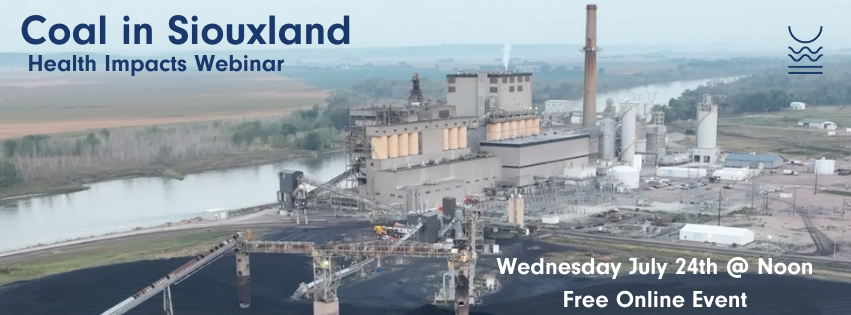
Communities near coal plants operated by Iowa’s power companies see higher rates of asthma, COPD, cancer, and other pollution-related diseases. A new report from the Iowa Environmental Council, written in partnership with the American Lung Association, Physicians for Social Responsibility, and the Winnebago Tribe of Nebraska’s Comprehensive Healthcare System, highlights how two coal-fired power plants outside of Sioux City affect the health of the region.
Join us Wednesday, July 24 for a lunch hour webinar about this new report examining the relationship between pollution from coal plants and lung disease in Woodbury County.
Coal in Siouxland Health Impacts – free webinar Wednesday July 24 12:00 pm – 1:00 pm Online (Register Here)
The report finds that the two MidAmerican Energy coal plants have been associated with causing at least 1,400 premature deaths since 1999 and the region’s rates of asthma and lung cancer outpace statewide averages. Despite these impacts, MidAmerican Energy claims they will operate these plants for an additional 25 years.
Can’t make it for the live event? Register to attend and a recording will be made available to view later at your convenience. Contact us with any questions at iecmail@iaenvironment.org. We hope to see you there!
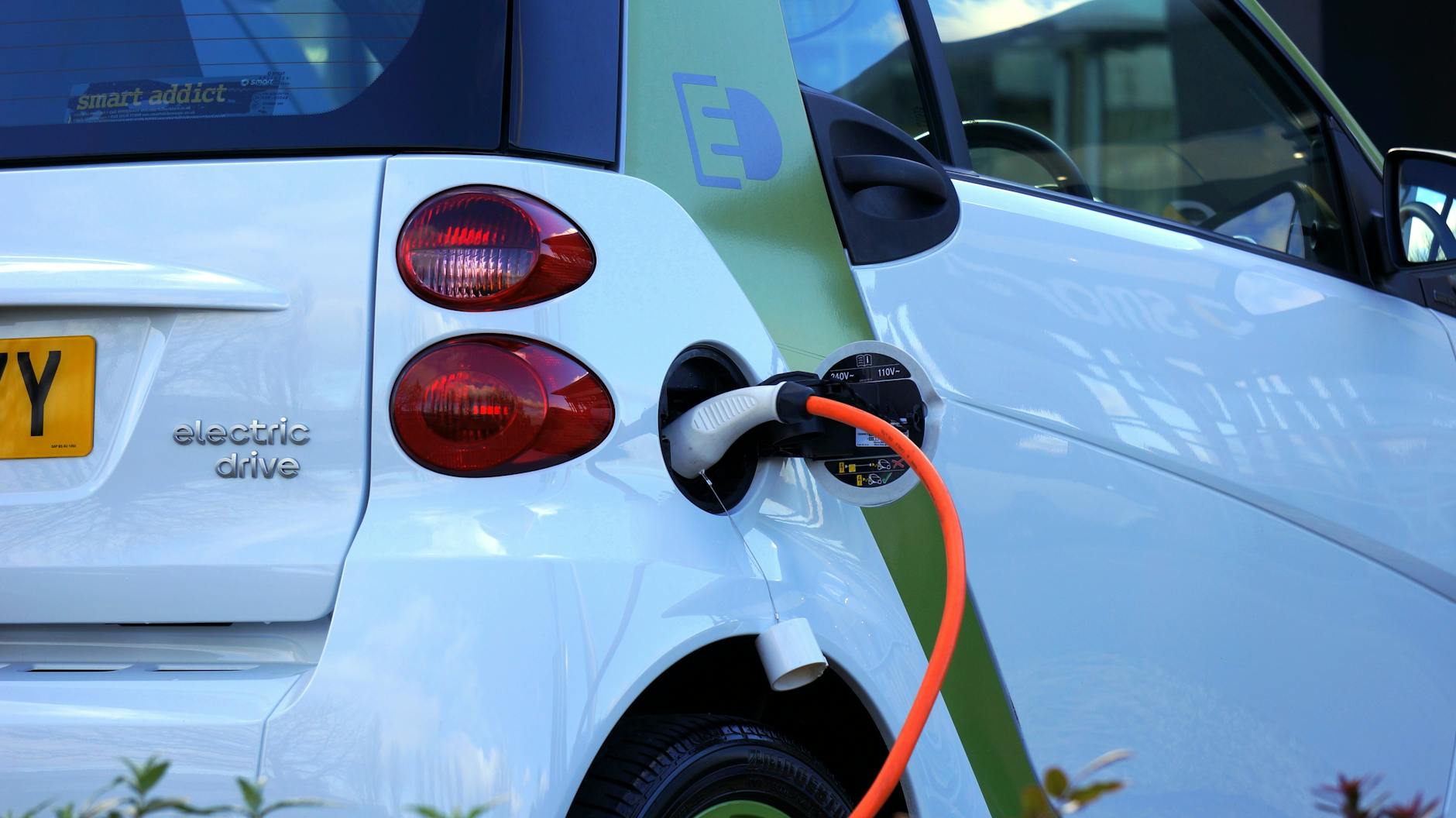
Moving the automotive economy toward electric vehicles is a good thing for multiple reasons. An important benefit is to decrease reliance on burning stuff in an internal combustion engine. In the late 19th Century, Rudolph Diesel invented an engine that could burn almost any liquid fuel, including whale oil, tallow, paraffin oil, naphtha, shale oil, and peanut oil. Despite the initial available diversity, the economy followed a track to perfect the gasoline engine and use it for transportation. To a large extent, that’s where we are now, with Diesel’s namesake fuel relegated to trains, buses, heavy trucks, boats, and power generators.
In 2022, we needed a new car and could not confirm a delivery date on available electric vehicle models. They were in high demand and manufacturing could not keep up. We ended up with a three year old used car that got 38 miles per gallon of gasoline. In addition to supply falling short of demand, there are other problems with electric vehicles.
Electric vehicles reduce emissions and are often much kinder to our planet than gasoline and diesel alternatives. Those are positive attributes. The world is not ready for EVs and people experience barriers to using them in the form of charging station infrastructure, insurance, and affordability, in addition to the ability to timely buy one. The federal government has begun to create an environment for the advancement of EVs and Republicans are fighting it tooth and nail.
The latest conflict between doing what’s right for a majority of U.S. citizens, and Republican support for the fossil fuel industry, occurred after March 20, when the U.S. Environmental Protection Agency released a new tailpipe rule on vehicle emissions. “Joe Biden has launched a relentless onslaught of regulations infringing on American consumer freedom,” Congresswoman Mariannette Miller-Meeks wrote in her weekly newsletter. She decried that the administration’s “heavy-handed mandate forces American automakers to prioritize electric vehicle (EV) production and sales.” Well, yeah. That’s the point, along with preserving a livable world. The member of congress failed to mention all the positive things the president is doing to make EVs affordable for consumers.
The decision to EV or not to EV is not the choice of a single consumer. As individuals we have rights, yet the government must not leave the choice of whether we have a livable world in the hands of personal choice. To move the ball where it is needed regarding EVs, the government can and should be involved in nudging industry and consumers to move toward them. Under Biden, government accepted this role. The scale at which the administration proposes to increase EVs as a percentage of the global fleet is staggering. It is also what is needed to address the climate crisis.
My choice would be to use public transportation for every thing. As long as I have to drive because I live in the country, I expect to eventually convert to an EV and learn to love it. We must support the administration as we can, perfect what is flawed about their approach, and never lose sight of the big picture of slowing the greenhouse effect so we can maintain a livable world. In our current political situation, that means electing Democrats.












 Journey Home
You must be logged in to post a comment.