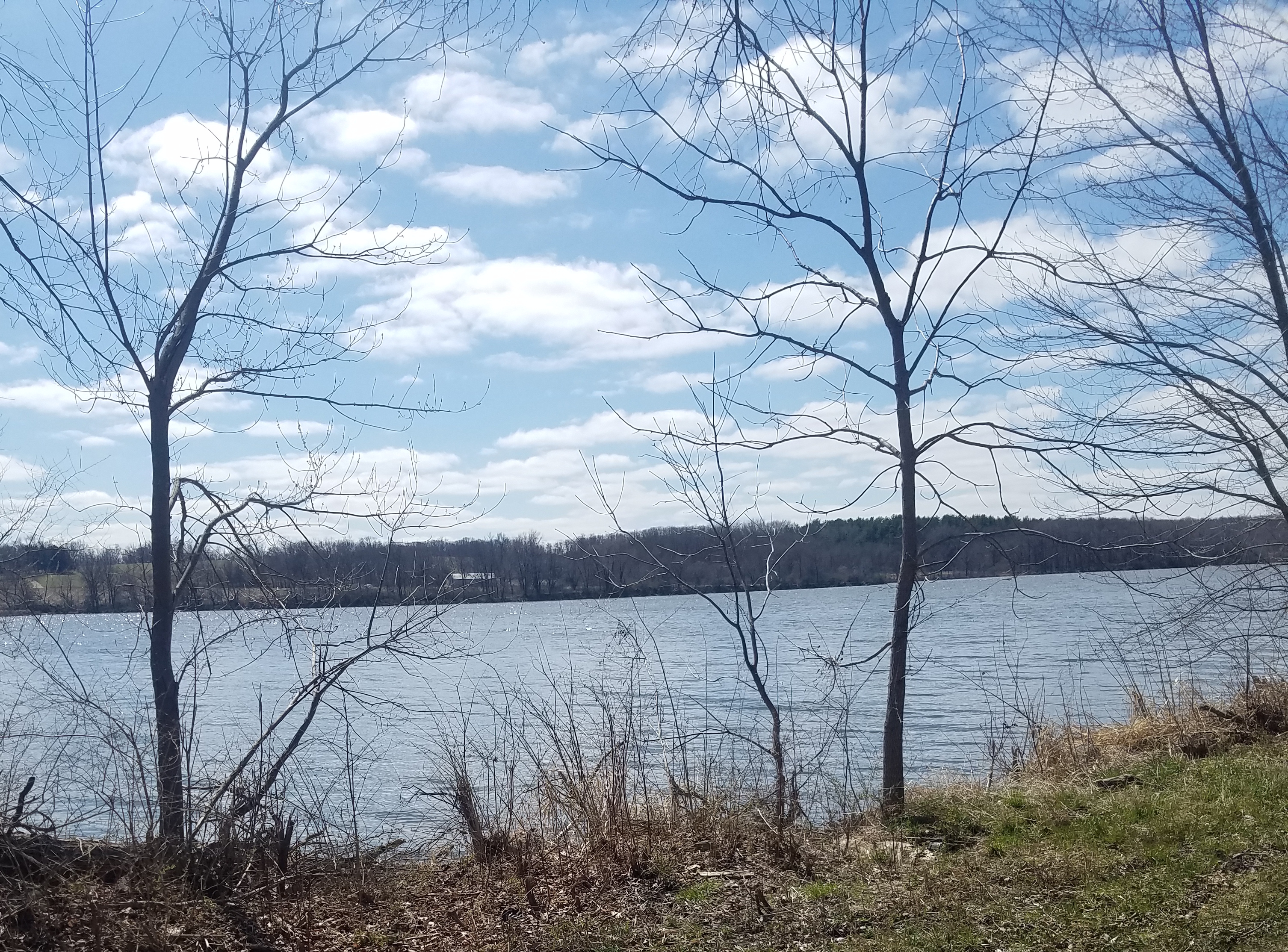
Naming things found in nature reflects an urge to own, control, or possess them. I have no interest in that. I seek to be outdoors and observe everything natural with all my senses. I don’t object to knowing the formal taxonomic classification of a plant, insect, animal or other living thing. With increased experience in nature, some knowledge of genus and species comes naturally. For example, when I see a Blue Jay, I know the name. What I don’t want is worry about naming everything in my environment.
I began using the Merlin Bird App last week to interpret which songbirds are nearby. Identifying bird sounds is a subset of ornithology. On Tuesday, the American Robin, Northern Cardinal, and American Crow showed up on a windy morning. The app helps me understand nature. While I’m working outdoors all kinds of sounds become a background noise for my activity: birds, vehicle traffic, weather, local human and animal activity, and more. I want to recognize when something different stands out from the background. What new bird might I see? What new world will be unveiled?
As a gardener, I care a lot about insect and plant life. Which insects are beneficial, which are predators in this specific vegetable garden? Which plants are weeds? Which are edible or poisonous? I’ve been gardening since 1983, and am getting better at identification each year. I see behavior of white butterflies that lay eggs on my cruciferous vegetable leaves yet have no idea what they are called. I’m not that interested in learning the name, just in identifying their behavior as a pest.
When I move indoors, my view toward naming is not much different.
I’ve been writing about my early life before the seventh grade. I’m lucky I didn’t obsess over the naming of things. My classroom focus was on the mysticism of the Catholic Church and stories told by my teachers and classmates. Charlotte’s Web in fourth grade was pivotal. I sang, learned to play music, and played games with classmates in the playground. We knew the game was called “Four Square” yet what mattered was getting a chance to play after waiting patiently for our turn in queue near the court painted on the asphalt. These activities didn’t require a name.
When I go to the pantry, I sometimes can’t recall what things are. I know we have almond and barley flour, yet to identify them takes tasting a pinch. Some in the household says I should label things. Maybe, yet I resist. I don’t know if my reasons are good, but I don’t want to be limited by the confines of having to know things by name. In the kitchen, imagination and improvisation are the key dynamics, even when it comes to the “science” of baking. Not once have I mistaken salt for sugar.
What is the story of nature? It is more complex than I can understand. I’d call mine a Cartesian outlook and that means I live in my senses most of the time. What may be “out there” beyond senses, we have no way of knowing. We are taught nature is out there. Equally so, there is no way to own, control, or possess things we sense with any permanence. Living this way is a matter of faith, not requiring any naming. We are better off by not naming things we experience.
As long as I’m getting along in society, I’m not going to spend undue amounts of time with this. I’ll be the better for that.
 Journey Home
You must be logged in to post a comment.