
BIG GROVE TOWNSHIP— When we were children, our parents used to take us out for a Sunday afternoon drive. A typical trip might include visiting Weed Park in Muscatine, friends of my parents in Blue Grass, or to the Niabi Zoo near Coal Valley, Ill. Today’s Sunday afternoon drive was not as much fun. I drove to 140th Street NE near Ely Road to see the progress of the flooding.
That is, not as much fun unless one is a fisher. When I arrived at the edge of the water, about half a dozen motor boats were out. Click on the thumbnail above, and the boats can be seen as small specks toward where the road rises out of the water. Word is out that striped bass, catfish and carp are biting. The reason I know is a neighbor mentioned it while I was working in the ditch in the front yard after the drive.
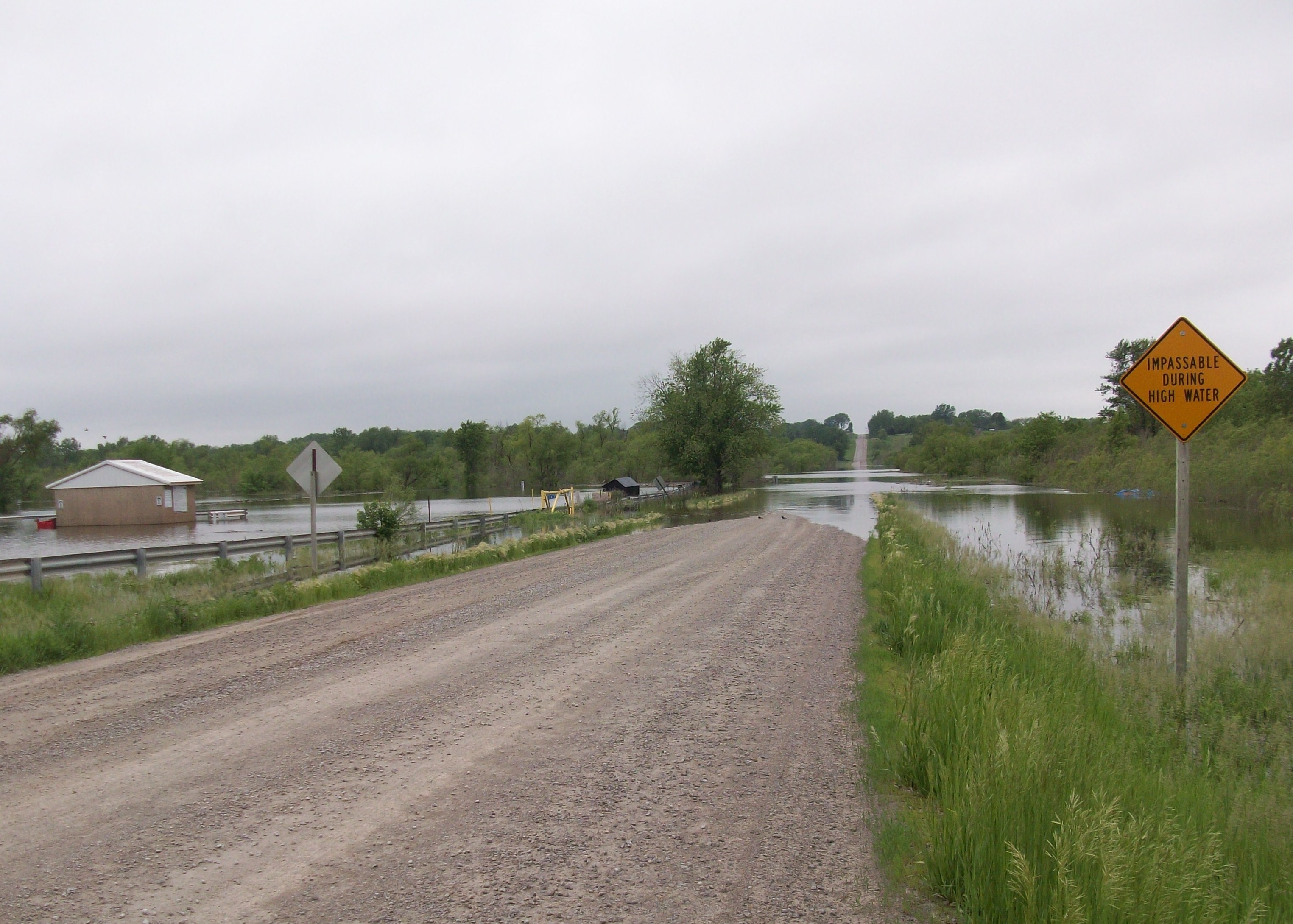
The water has risen about four feet since Friday. Compare the two photos to see how the building is being submerged. If you would like, take a look. For me, I would not like. It is wearying to deal with the consequences of climate that changed when we should be advocating to change how society interacts with so-called nature turned into an owned and built environment.
Like this flooding, changing climate is hitting us where we live. In the water we use, the air we breathe, and the weather we experience. This weekend politicians sought photo opportunities to post on social media: of them helping sandbag buildings to protect them; of them inspecting the damage. What they should be doing is actual networking with their colleagues in government to find common ground and take concrete action to solve the climate crisis.
Some may not notice the climate crisis because they are so busy cleaning up in its wake, or in this case, trying to catch the limit of striped bass. Maybe they are taking a much needed Sunday afternoon nap. Eventually the frequency of these hundred year floods, at a rate of three in 20 years, will be noticed. It is not too late to solve the climate crisis, but we don’t know for how long.
 Journey Home
You must be logged in to post a comment.