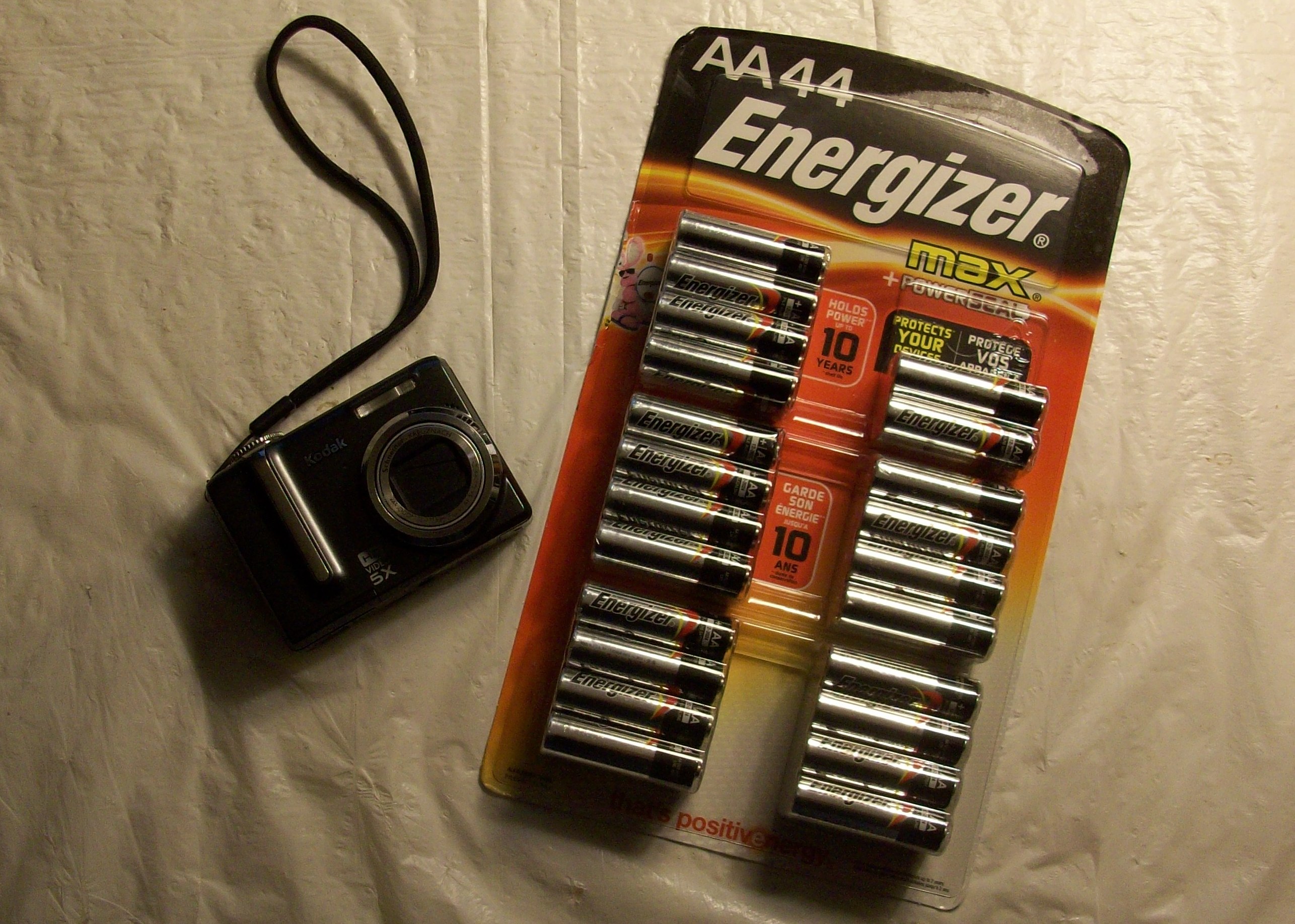
Most of my cameras have been inexpensive. A half-dozen shoe boxes full of photographs sit in storage around the house. Until I began a photo-archiving project, they were seldom opened.
There is a Minolta SRT-101 single lens reflex camera tucked away in the suitcase I inherited from Grandmother along with other old photographic technology. When I used it at university, I developed a few prints myself, yet relied on commercial film processors, typically a drug store, because it was easy and inexpensive. I went digital in 2005 with my first mobile telephone — a flip phone — with a built-in camera. Now, most snapshots are taken with my smartphone, for which I bought a camera upgrade. Cheap snapshots would make do when professional photographers were for newspapers, politicians, artists and special occasions.
I’ve seen photographic technology come and go. What I thought were very cool cameras in the 1960s are now relics that belong in a museum or more likely the recycling bin. For the most part, we no longer use film. Instead, my smartphone takes digital photos and uploads them to the cloud without me doing anything after making initial settings. The days of new shoe boxes are over as I easily import images to my computer, and store, use, and backup files constantly.
When taking my first photographs in the 1960s, everything was printed. The rise of home computing during the mid-1990s changed how we take and store photos. The question soon arose about the long-term survival of digital photographs. Would the software used to create and store them remain available? Would formats such as bitmaps or *.pict files become obsolete? And what would happen to the images stored in them? Will family memories become inaccessible, unlike the way some daguerreotypes persist from the 19th Century? It’s one more thing to think about in 21st Century life.
I don’t print many photographs today, and when I do, I use a local outlet of national retailers like Walgreens. Now that I understand their process, I will be using them more to print some images that are important to telling my story. Most digital images will live online.
Old habits related to photo processing die hard, and in this case, resolve an open question about emerging technology over time. A printed photograph is something we can touch and feel—a small certainty in a world where so much of life exists only on screens.
 Journey Home
You must be logged in to post a comment.