The annual meeting of my home owners association last summer was good. Thanks to all of our board members for their volunteer work. It was a pleasant evening in Randall Park. As is usual, very few members showed up for the picnic-style meal and conversation.
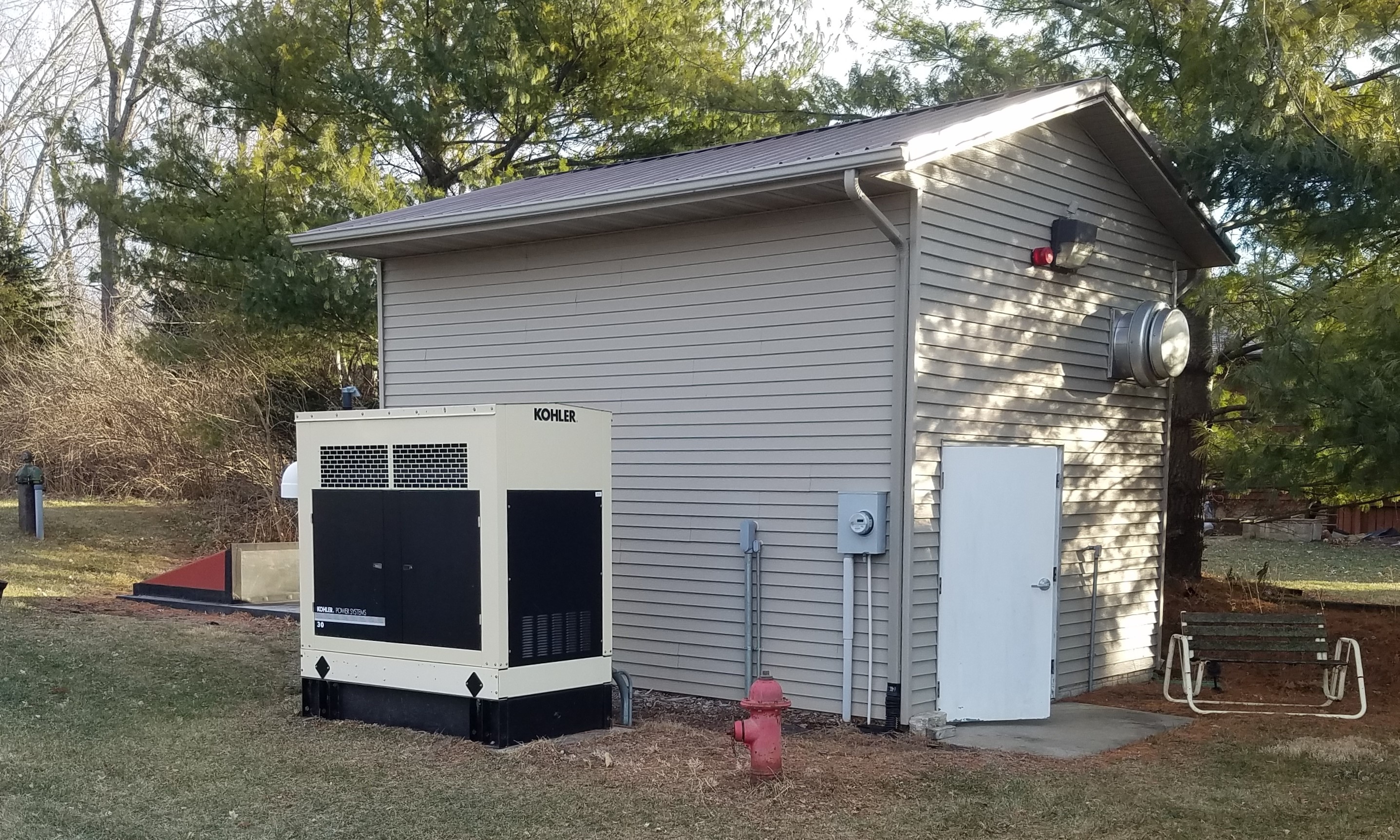
We discussed the association water system and the need to meet new compliance standards. The most recent compliance issue is inventorying the type of pipes bringing public water from the well to and inside our homes. I began following our public water system shortly after we moved here in 1993. We comply with new numbers as they come along. When we cannot get into compliance, we make an investment in extraordinary measures. For example, we spent $400,000+ to comply with revised arsenic standards.
I said this at the meeting and it bears repeating:
The water coming out of the well house into the community water pipes is fit to drink and use. It meets state and federal standards for a public water system. The board sent our annual water quality report in the last mailing. Read it!
We talked about water softeners. When Bob was president, he announced that water softeners were no longer necessary after installation of the new arsenic treatment facility. I’m not sure that information was adequately distributed at the time. However, the quality of water in a home is a matter of personal preference and expense.
Is the water delivered to our homes potable without treatment? Yes, it is. We have data to back that up. Do you want to wash your white clothes in untreated water? Maybe, maybe not. Since the new water treatment system was installed, there have been surges with heavy concentration of iron in it. A whole house filter combined with a water softener buffers users against such anomalies.
One set of data that assists in decisions about whether to treat water in our homes is a water hardness test. Those are locally available, usually for no cost, plus a volunteer in the association is willing to test your water without charge. If you have questions about using a softener, that is a beginning place.
The wastewater treatment facility was built in 1994. While it was maintained as things broke, there is a significant project in the near term future of refurbishing the physical plant. Chloride compliance is a different question. The reason for all the attention to chlorine and salt usage is in pursuit of a reduction in the amount of chloride entering the wastewater stream. Hopefully we can get chloride numbers into compliance and avoid doing something to divert effluent flow from Lake Macbride to somewhere else more acceptable to Iowa Department of Natural Resources.
Here is some additional information:
Iowa’s recent inventory of public water supply systems was 1,838. The percentage of systems in compliance with all health-based standards in 2022 was 96.2%, while the percentage of population served by systems compliant with all health-based standards was 98.9%. Not perfect, but good.
The other segment of well water, which is significant in Iowa, is the use of private wells for household water needs. Private wells fall under the jurisdiction of the Iowa Department of Natural Resources. There is a recommended testing and treatment program for private well owners that includes free annual testing, and money for shock chlorination, well plugging, well reconstruction, and the like. There is also a fully developed program on their website. I couldn’t find information about the level of compliance with the voluntary standards.
They say water is life, and it really is. It seems important to know what the standards are and whether what comes from the tap is safe to drink. In our community we invested a lot to make sure it is.
 Journey Home
You must be logged in to post a comment.