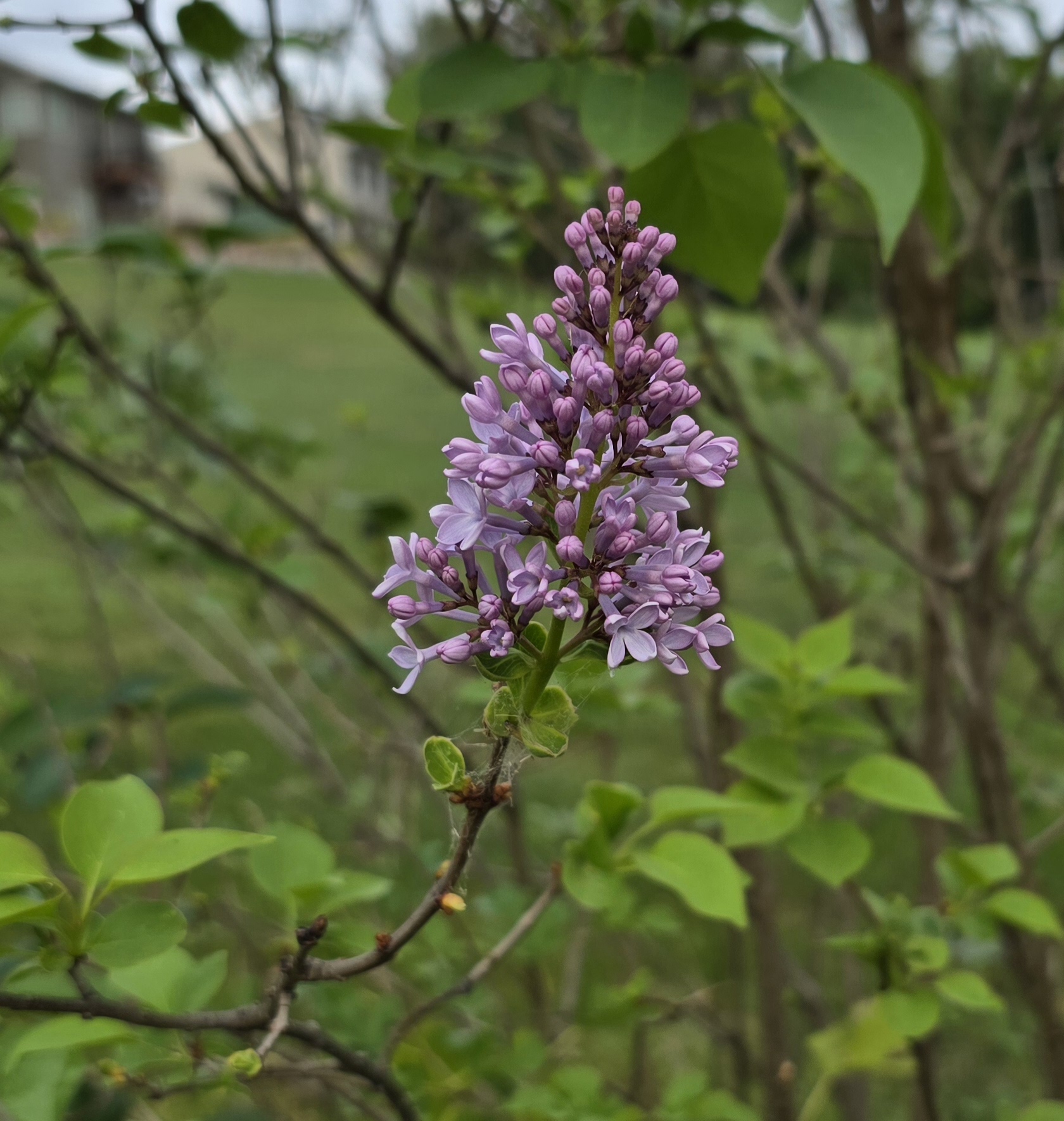
A sure sign the period of annual warm ambient temperatures expanded is the fact our lilac bushes are flowering a second time this year. I planted them some 30 years ago and only recently have we experienced a double bloom. The flowers are pretty, but the reasons behind their twice a year appearance are not.
The Intergovernmental Panel on Climate Change (IPCC) members are skeptical that warming will be limited to the Paris targets of well below 2 °C, but are more optimistic that net zero CO2 emissions will be reached during the second half of this century. What does that mean? We, as a society, are inadequately moderating the rise in atmospheric temperatures by getting to net zero fast enough. I don’t see any of my neighbors concerned about this, even if they should be. I doubt many of them even know what is net zero.
Whether we like it or not, large online retail sellers provide an efficient service. Not only do companies like Amazon compete on pricing, their distribution network prevents untold automobile trips to retail establishments. That may be a pox on smaller retail stores, yet Amazon is committed to achieving net zero carbon emissions by 2040, much sooner than society as a whole seems likely to achieve it. We citizens may be skeptical of Amazon’s Climate Pledge, but what else is there in a world increasingly controlled by large corporations?
A person can only do so much. Our combustion engine subcompact automobile remains parked in the garage five or six days each week. When we bought it, electric vehicles were simply not available when we needed one. I mow the lawn with my gasoline-powered mower only once per month. I set the thermostat for our HVAC system higher in summer and lower in winter. If everyone did these things, our aggregate actions might have an impact. Like with net zero, this is something our neighbors don’t talk much about. Whether they take similar action is sketchy at best.
To address the lack of awareness, I learned to interpret visual cues in the environment. Things like the second blooms of a lilac bush. It seems essential to do more than appreciate the beauty we find in nature. At the same time, we must question why long-standing botanical and animalia behaviors are changing. With few exceptions, such changes lead us back to new, polluting emissions since the Industrial Revolution.
We won’t undo the changes of the Industrial Revolution quickly enough. We, as a society, should be working on that. Imperfect though it may be, achieving net zero carbon emissions is a worthy goal. Midwestern lilac bushes seem to be adjusting to a changing climate. Now it’s our turn.
 Journey Home
One reply on “Lilacs and the Climate Crisis”
Have never seen an old fashioned lilac bloom in September here in the Midwest.
In all the years of growing garden in Northern IA and now SW Minnesota, the past 5-6 years have not been great growing years. Either too much rain or too little. Mostly too little. Rain no longer arrives during the most critical growing weeks as in years past. Comes in huge spurts at the wrong time then goes away. Ground dries up and turns hard as a rock. We do water our garden and younger trees but that mostly just keeps them alive. This year we had so much rain with flooding that it water logged our garden. Still got some yield however not as good as a normal year.
LikeLiked by 1 person