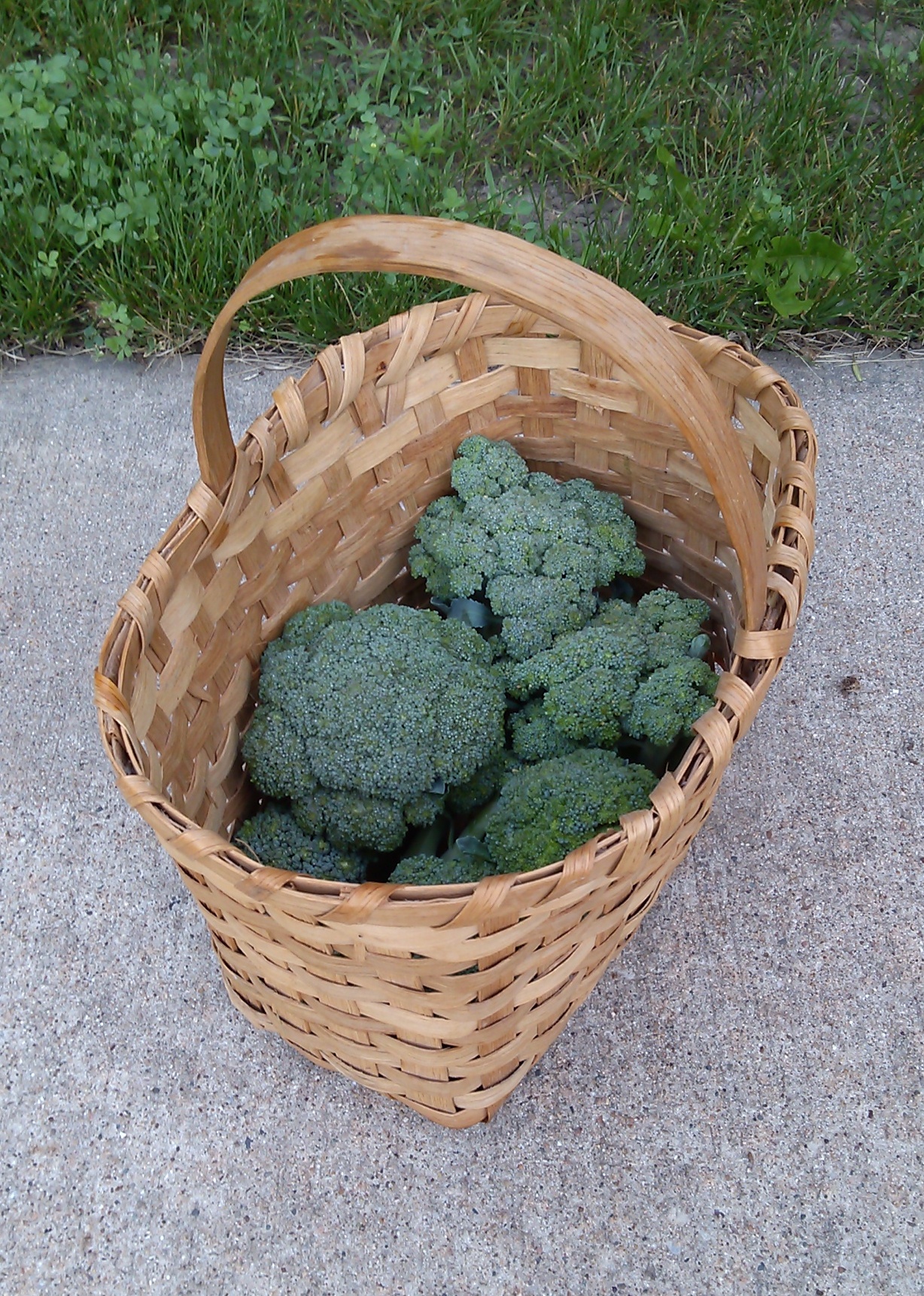
LAKE MACBRIDE— White butterflies have arrived to lay eggs in the cruciferous vegetable patch as spring enters its final days. Part of gardening is the notion that there is a world of deer, rabbits and rodents; caterpillars, beetles and aphids; microbes and bacteria; all ready to compete with us for food during the cycle that defines each year’s garden production.

A home cook who gardens is more acutely aware of this as a deer munches the top leaves of a pepper or green bean plant; as caterpillars make a home among broccoli and cabbage; or as potatoes considered from planting in early spring through growth and flowering are touched by Colorado potato beetles and the tuberous roots are eaten by rodents before we can dig them for the table. Application of chemicals is not an option in our garden, so more vulnerable crops like sweet corn and potatoes are leveraged from other growers, the bugs get picked off by hand, and complex webs of chicken wire and netting work to deter wildlife from access to garden plants— at least until after harvest time.
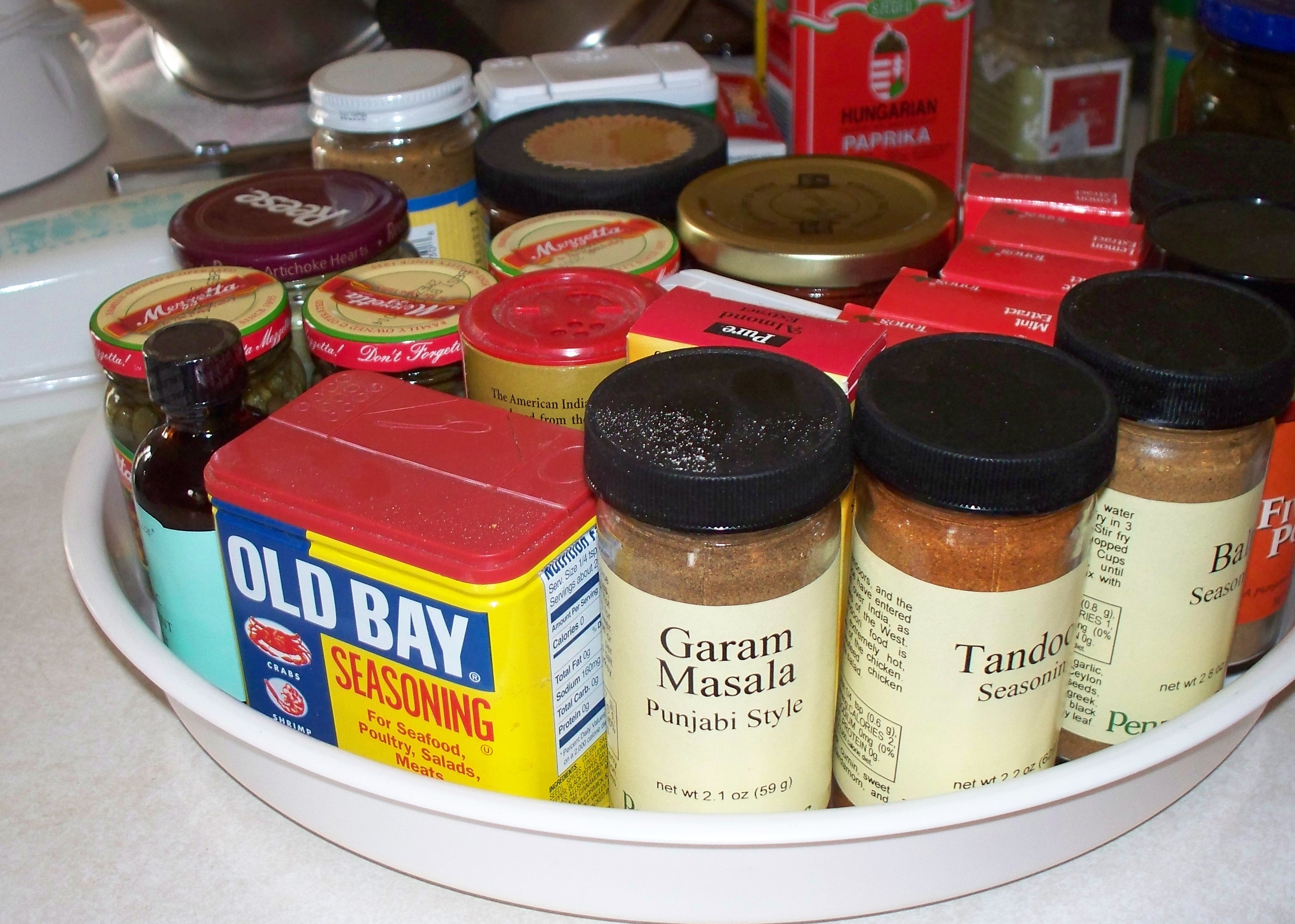
Gardening is a constant symbiosis that sustains a diverse and complex community of species in the context of an ever changing planet hurling itself into space. To say the future sustainability of local food systems rests in what home cooks do in their kitchens is putting a lot of pressure on a process that is far more complicated. Home kitchens are a part of the process, and human centered.
When considering a bigger picture, the assertion that home kitchens require a revolution to sustain local food is more a statement about marketing than anything else. What matters to sustainability of local food systems is how they fit into a broader context of a supply chain that includes grocery stores, pantries, gardens, farmers markets, CSAs, community food banks, government programs, neighbors and friends, and other sources of foodstuffs.
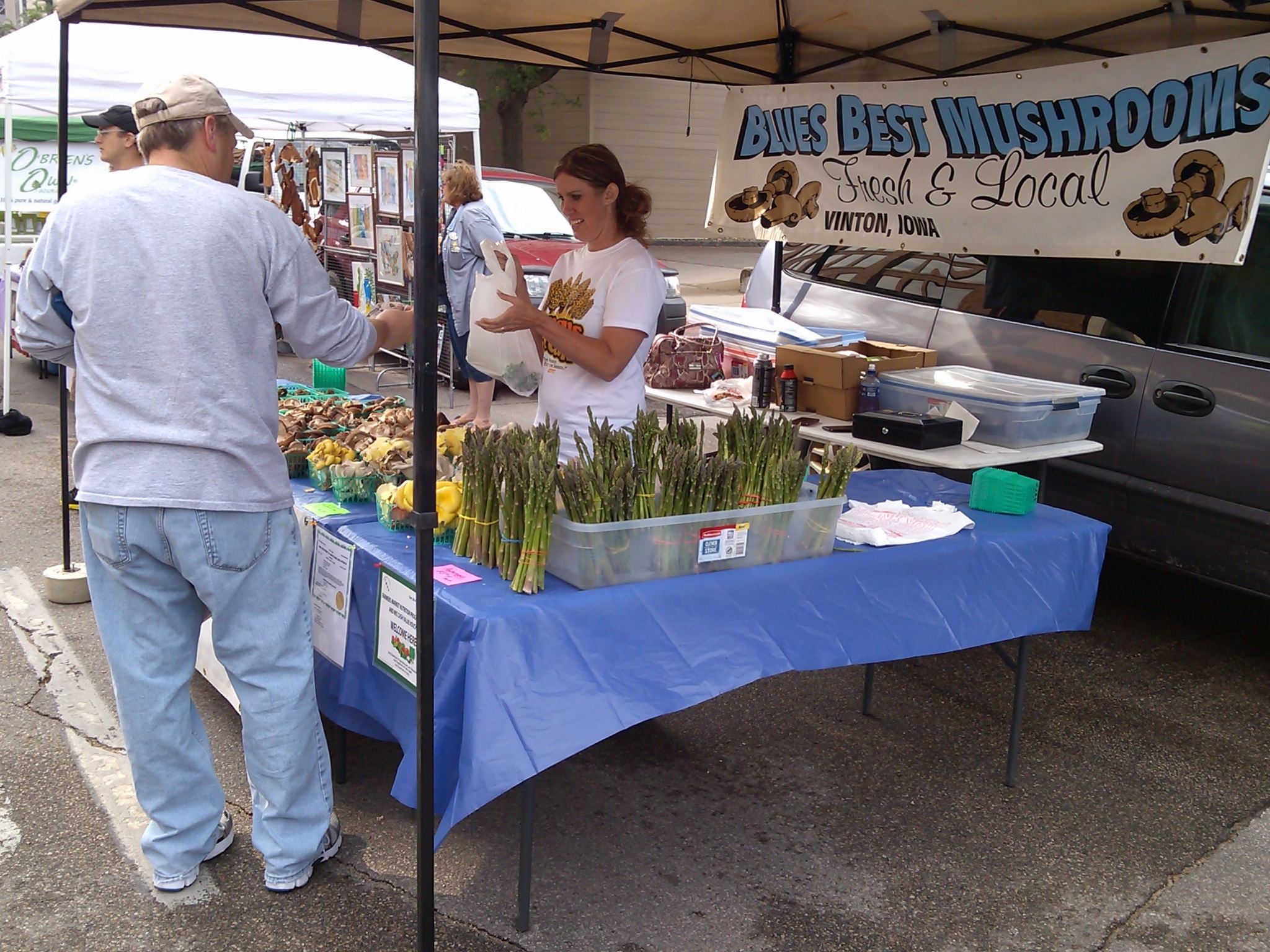
That said, farmers markets like the June 15 market in Cedar Rapids seem critical to sustaining a local food system. It is the behavior of a consumer society that attracts as many as 20,000 people to a Saturday market, and without consumers, there is no market for local produce.
One hopes that the cravings for sugar, salt and fat inculcated in us by industrial food processors get replaced with something better. However, changing how people behave regarding production and consumption of food is like piloting a large battleship in that changing course takes more than a few driving personalities asserting this or that needs to happen. Having a local food Saturday (or any day) in a home kitchen can work to correct a course currently fraught with obesity, chronic disease and ill health.

My recent local food Saturday is past and I look forward to the next. But before leaving it, there are some points to be made about what it was and could be for others. By bearing witness to the efficacy of local food Saturday, perhaps readers will consider likewise. Like Scheherazade, I hope to keep you interested.
 Journey Home
You must be logged in to post a comment.