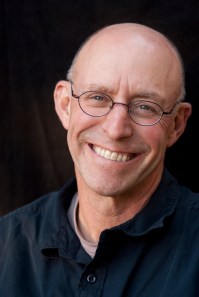
LAKE MACBRIDE— Few people who work in academia are as well known, admired and reviled as Michael Pollan. Safe to say that a vast majority of the people on the planet have never heard of him.
Readers of this blog should know a). an answer to the question who is Michael Pollan and what does he do; b). I am familiar with most of his books, along with some articles, speeches and particularly his tweets on twitter; and c). I am not a “Pollanite” as some derisively refer to his followers.
The dust jacket of his latest book, “Cooked: A Natural History of Transformation,” has the briefest of biographical snapshots and is likely the best. He is an author, a contributor to The New York Times, and Knight Professor of Journalism at Berkeley. In a bit of self-promotion, he added the sentence, “in 2010, Time magazine named him one of the one hundred most influential people in the world.” Maybe more people have heard of him than I thought. More information about Michael Pollan is available on his web site MichaelPollan.com, and his full biography and curriculum vitae are useful for getting a brief overview of the man and his work.
Where Michael Pollan influenced my thinking was in three of his books that are mentioned less often, beginning with his 1997 effort, “A Place of My Own: The Architecture of Daydreams.” The other two were “Second Nature: A Gardener’s Education” (1991) and “The Botany of Desire: A Plant’s-Eye View of the World” (2001). What impressed me about “A Place of My Own,” and was a bit irritating, was that the book was about building his personal study, tying in a number of disciplines to tell a story about a building on his property— how he planned and built it.
My first reaction to Pollan was that he was a narcissist. What he does well is to take a common activity, like building a study, hemp growing, whole hog barbecue, or growing and tending lawns, establish a personal experience that relates to it, and lay a foundation to transcend the narcissistic impulse to focus on broader points. His inclusion of so much of his personal activities is a literary device, although my immediate reaction prevented me from understanding that at first. Sometimes the device works well (Iowa corn growing ), and sometimes it doesn’t (North Carolina barbecue).
There is really little point in writing, as I have done, about trivial things like cooking buttermilk biscuits, pruning trees and downsizing my book collection unless there is something relevant to say about the rest of society. My takeaway from reading Michael Pollan’s books is that we can base broader social criticism in our personal experience. As an academic, and now famous author, Pollan has access to information that most of us do not. That, and the unique perspective he gained from years of study, are reasons to read him.
 Journey Home


You must be logged in to post a comment.