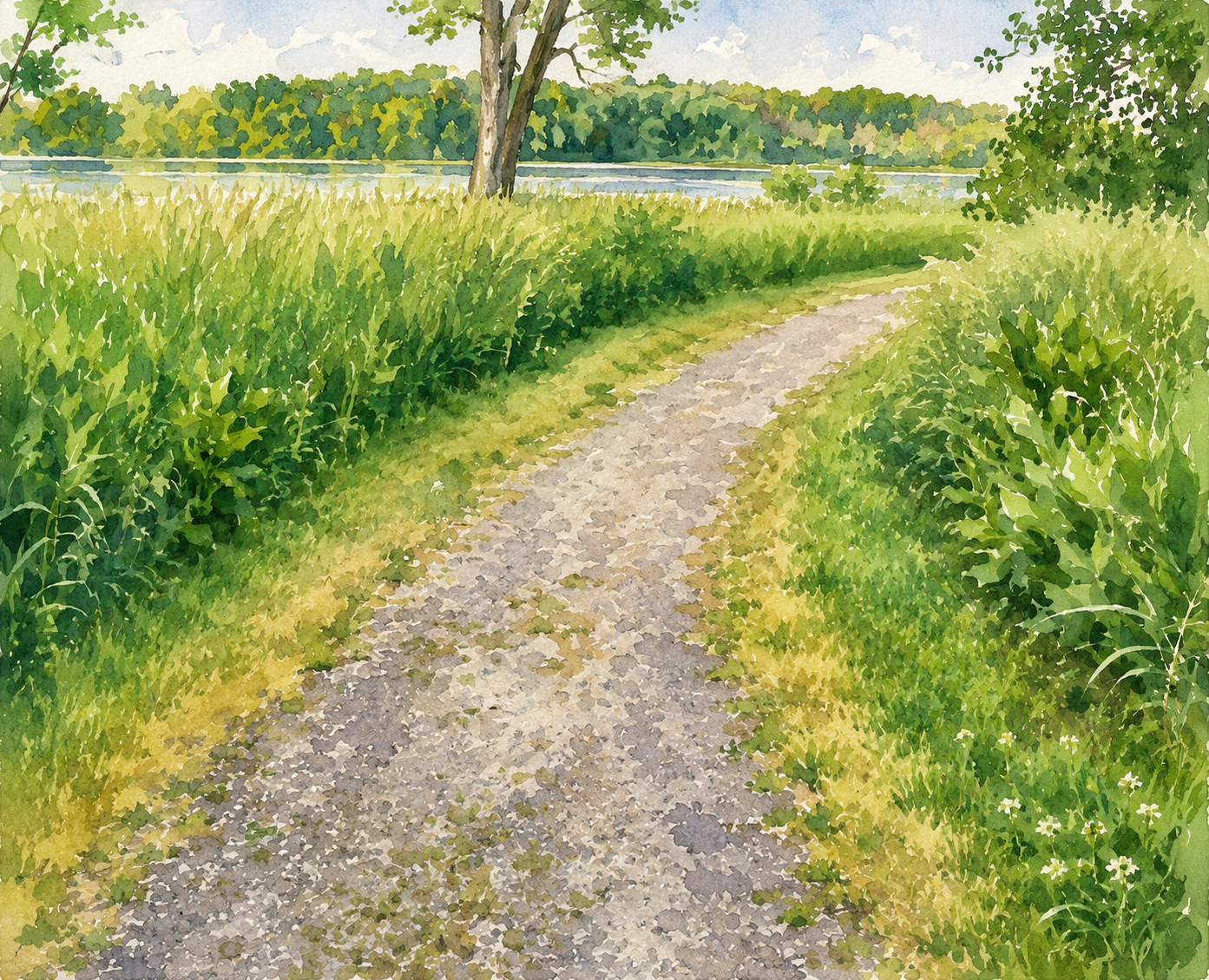

It rained all day Tuesday and the ground is still wet. The soil uses rain differently when the atmosphere cools, there is less evaporation, and there are fewer daylight hours. It rained, off and on, for the rest of the week.
The background color of foliage changed from green to brown, yellow, and red. Vegetables are still coming from the garden, though not for long. Fall is upon us.
I had a telephone conversation with a friend about planting garlic. The way things have been going the last few years, I am looking at the first week in October. Even with all the changes in climate, they said that sounded about right.
I trimmed the leaves of this year’s garlic crop and lined them up on the work bench. I’m looking for the best 25 head from which to extract 100 seeds for next year. It should be no problem because there are a lot of good heads. Garlic is one crop I grow well, thanks to a great teacher at a farm.
I don’t know how long this annual selection has been going on, but it has been culled for many years. I’ve done it every year since I got the first seeds from the farm. It is a proven variety of garlic.
It occurred to me that lately I spend more time putting food up than I do cooking meals. Time in the kitchen is simply that: more canned and frozen food. Now that the garden is nearing the end, I expect to turn to cooking meals again.
A final thing on my mind with the rain is the level of nitrates in our drinking water. Nitrogen runoff from farming is water soluble and the Silurian Aquifer —the source of our water — is susceptible to nitrogen contamination from agriculture. It is because it recharges from surface water. Our public water system is in compliance with the federal standard, yet that doesn’t mean our water is nitrate-free. I’m adding discovery of information about nitrate levels to my to-do list.
It’s a lot to think about on a rainy day.
Leave a Reply