Editor’s Note: This was posted on May 22, 2008 while the author served on the county board of health. Working with migrant communities was part of our public health outreach.
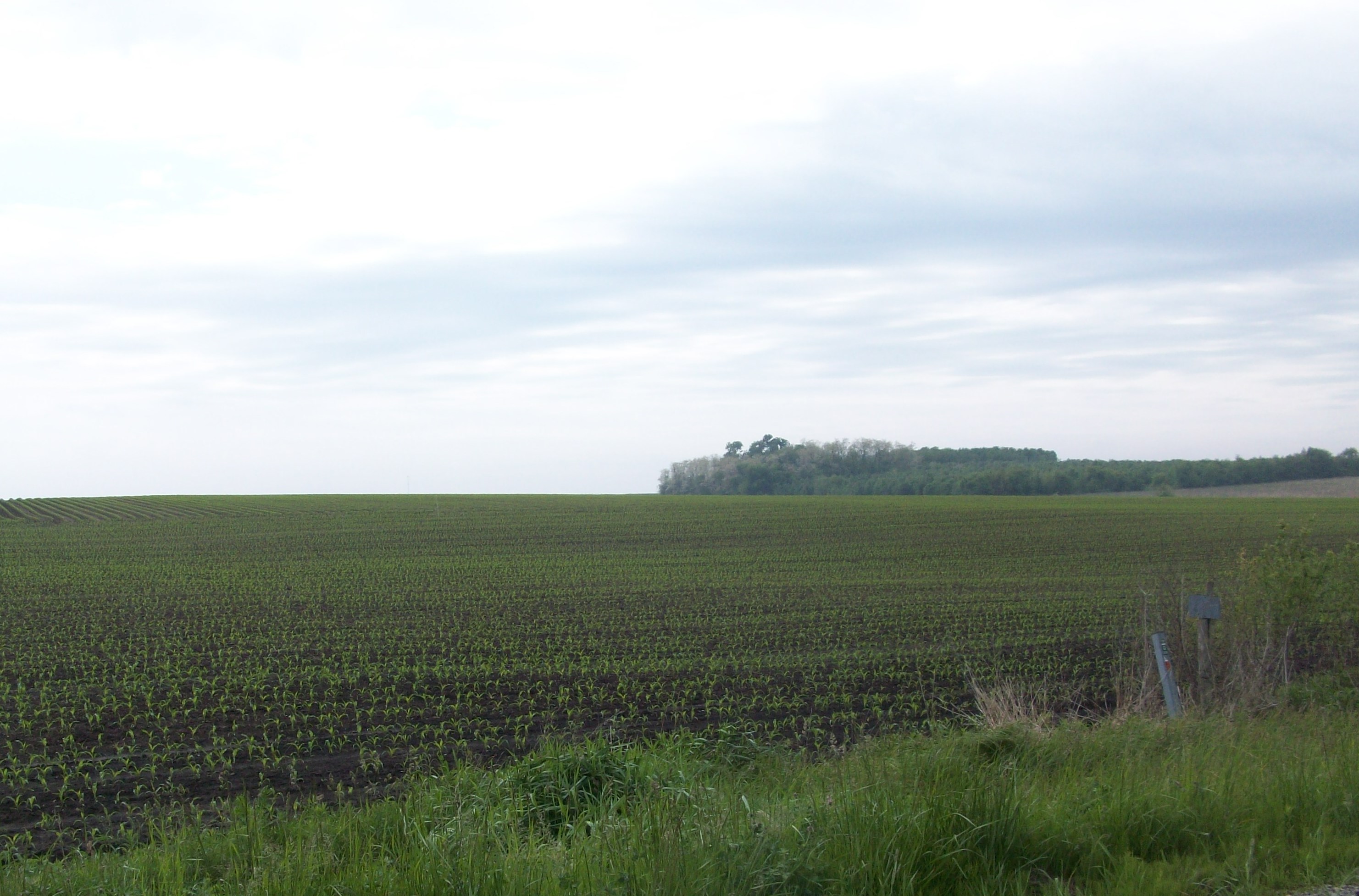
Each year 2,500 or more migrant workers come to Iowa to detassel seed corn, walk the beans, prune plants and trees and pick melons, apples and strawberries. This has been going on for as long as I can remember. Today, I saw the public health aspect of this cultural phenomenon.
In places like Conesville, Williamsburg, and Laurel, migrant families come to work in the fields, living in dormitories, motels and converted buildings. The hourly wages are about $9.00, often paid in cash. If anyone is impoverished, these people are. It turns out about 60% of them also seek medical treatment while they are here.
The list of health issues sounds like those of many Americans. 50 percent of patients are treated for obesity. In descending order of frequency, hypertension, diabetes, acute upper respiratory ailments and foot fungus are also treated. Women have a higher frequency of dehydration than men. The medical treatment is part of the culture as there are many patients who seek treatment year after year.
It is clear that many of these workers are not documented, and from a public health perspective, that doesn’t matter much. Would the Immigration and Naturalization Service come in and raid the quarters of these folks? Probably not.
Yet, who should be responsible for the health care of these 2,500 workers? On $9.00 per hour, they could not afford it. The employers would say they could not afford it either. Some would argue that the small budget of the agency should not go to undocumented migrant workers at all. It is a key issue in public health.
The life of migrant workers seems much like the life of birds living in the wetlands. Following the receding water line, they eke out a living that comes naturally, but is in delicate balance between shore and water…it hardly seems permanent. Social change around the immigration issue, a slight change in law enforcement or a change in funding for the agency could change migrant workers’ lives dramatically. At the same time, my sense is that they can adapt to change and do what it takes to create a society that lives along the recurring procession of the agricultural season.
In this way, migrant workers are like us: living each day in its delicate balance.¨
 Journey Home
You must be logged in to post a comment.