LAKE MACBRIDE— The schedule for the rototiller changed from next weekend to this shortly after writing yesterday’s post. No panic or complaints, I just got to work as soon as I found out.
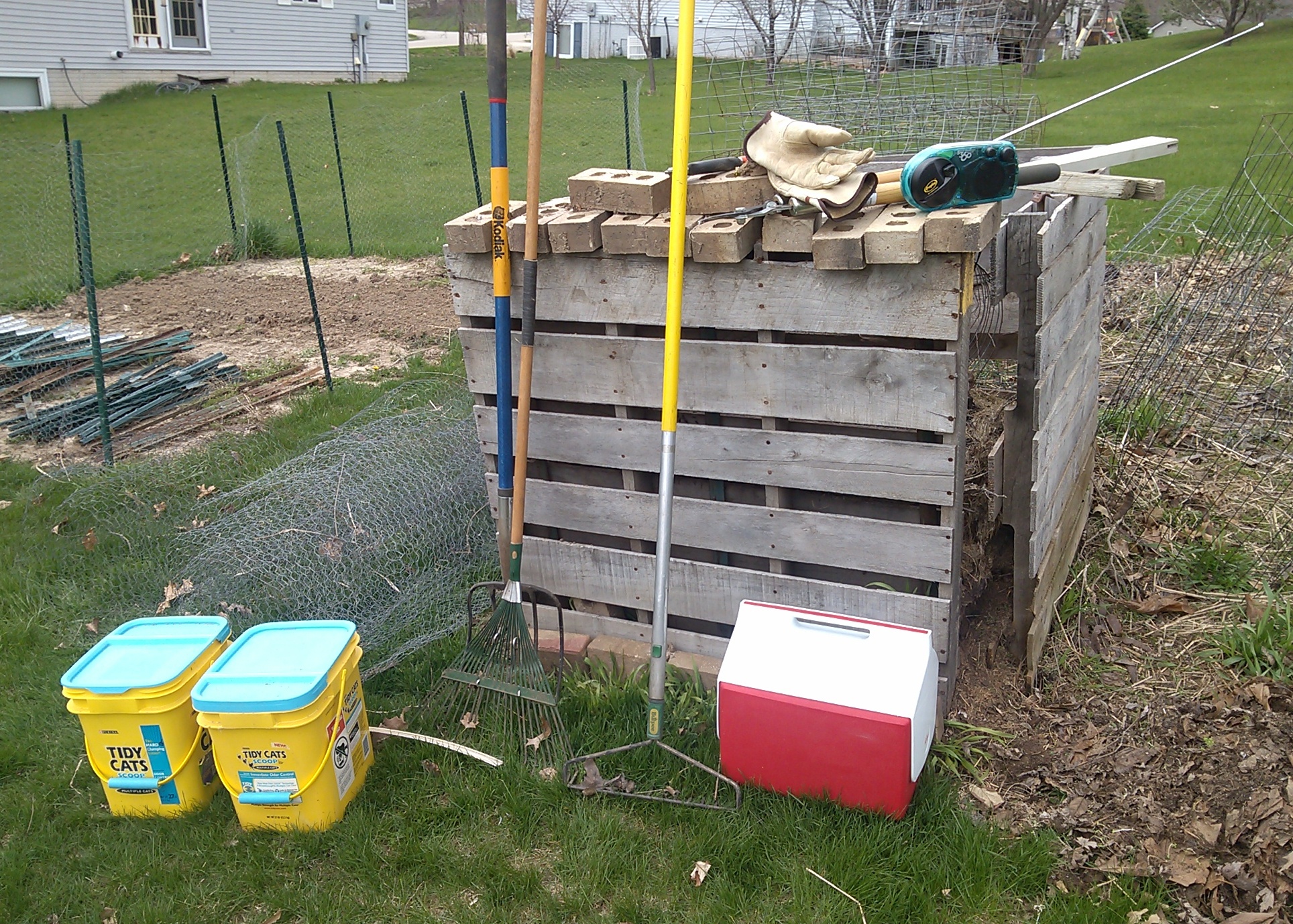
First things first, a cooler full of drinks: three mason jars filled with filtered water, on ice. A solar powered radio set on the compost pile to listen to the Metropolitan Opera on public radio: a series of arias was featured yesterday. A ball cap and a pair of leather gloves completed the pre-work inventory.
The cold, wet spring delayed clearing the brush, so that had to be done first. Broken limbs and branches from the trees and lilac bushes were cut, collected and added to the brush pile. Next, I cleared last year’s growth from the remaining garden plots and piled that on. A light breeze was evident, light enough to determine it was okay to burn the brush. I did, exposing the third of three plots targeted for the dig.
When we moved to Big Grove, built our home, and established a garden, the lot was vacant, filled with a semblance of the tall grasses that once were here. The first shovel full of earth revealed the developer’s practice of skimming the topsoil and removing it. Heavy clay and hardly an earthworm was to be found below the grasses. Almost twenty years of working the soil changed all that. It is now filled with earthworms and the multitude of living things that make soil fertile.
With my long handled spade, I turned the plots slowly and methodically. The act of spading the soil connects to the memories of doing so each year. A gardener lives for this common thread to the roots of our humanity. Halfway through, my right hand started to cramp and I took a break to make dinner reservations and check in on my smart phone. When I returned, a couple of birds had landed to dine on the earthworms revealed by the digging. In all, it took three and a half hours to turn the garden plots. The rototiller arrived just as I was finishing.
The ashes from the burn pile and two buckets of corn gluten meal served to fertilize this year. I raked the ashes to spread them around the plot where the burn was, and cast the corn gluten meal over all three plots. The distribution was not as even as in the anhydrous ammonia application that was going on in a field about half a mile from here, but was more ecologically friendly.
The rototiller was an old Sears model with widely spaced tines. A neighbor had borrowed and shared it. I fired up the engine, gripped the handles, and allowed the machine to do its work. It became clear it would be the best tilling yet done in my garden. The soil was aerated, and light, and one could sense that living things would grow there. After cleaning the tiller, another neighbor came to pick it up. I raked the furrows level and cleaned up the workspace. My bird friends returned to finish their meal.
The day’s work produced three blank canvasses upon which to plant more of this season’s promise.
 Journey Home
You must be logged in to post a comment.